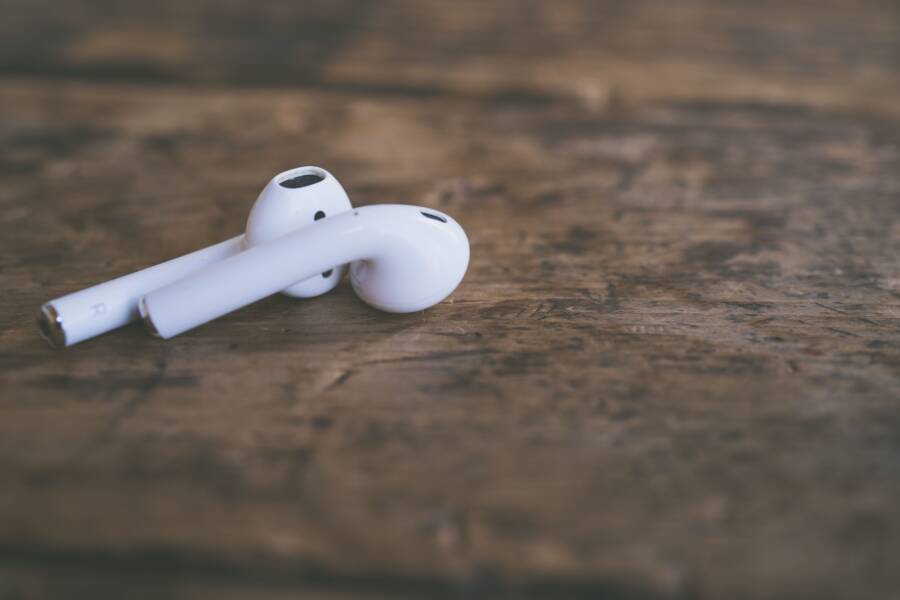
You can train your brain to enter a state of deep work by selecting the right auditory environment. Choosing specific sounds, such as white noise or binaural beats, helps regulate brain wave activity to shift your focus from chaotic multitasking to high-value output. This practice is a high-leverage habit for improving mental clarity and protecting your time as an asset.
When you control your soundscape, you block out distractions that prevent you from generating wealth. Your productivity depends on your ability to enter a flow state, and audio acts as a bridge to that zone. By curating what you hear, you protect your attention and ensure your working hours produce maximum financial returns.
The Science of Sound and Cognitive Performance
Human brain function relies on sensory input, but your environment dictates how much energy you spend filtering that data. When you work in a space filled with unpredictable sounds, your brain diverts resources toward processing those interruptions. This constant background activity creates a drain on your mental budget, leaving less capacity for high-level decision making and analytical tasks.
How Background Noise Affects Your Decision Making
Erratic sounds act as a persistent tax on your cognitive resources. Your brain contains an internal filter designed to screen out irrelevant stimuli, but it struggles to ignore intermittent or sudden noises. Every time a door slams, a phone rings, or a conversation starts nearby, your attention shifts instinctively. This reaction occurs because your brain prioritizes potential threats or new information over the task at hand.
When this filter remains overwhelmed, you encounter a state of cognitive depletion. You may feel like you are working hard, yet your output quality drops because your brain spends energy maintaining focus instead of creating solutions. This friction limits your ability to think clearly. You lose the mental stamina required for complex projects or financial strategy when your environment keeps your nervous system in a state of alert.
Consider the following ways that noise-induced fatigue impacts your work:
Increased error rates during complex calculations.
Reduced ability to maintain long-term concentration.
Slower response times when switching between different tasks.
Elevated stress levels that cloud your judgment.
By controlling your sound environment, you stop this drain on your focus. Silence or steady, rhythmic sound patterns remove the need for your brain to constantly assess its surroundings. This shift allows you to redirect that saved energy into your work, improving your decision-making accuracy and your overall productivity.
The Power of Audio for Deep Work States
You can use sound as a strategic tool to signal your brain that it is time to transition into a state of deep work. A consistent audio environment acts as a reliable cue, much like a ritual or a specific physical setting. By playing the same type of sound whenever you sit down to tackle difficult work, you train your brain to associate that auditory input with high-intensity focus.
Binaural beats or specific ambient textures often serve this purpose effectively. These sounds occupy the parts of your brain that would otherwise scan for environmental distractions. When you block out the chaotic fluctuations of the outside world, you reach a flow state faster and remain there longer. This state allows you to produce high-value results without the typical fatigue that follows prolonged distraction.
Successful professionals often use these audio cues to protect their mental space:
Identify a sound profile that helps you ignore your surroundings.
Pair this audio with your most demanding tasks.
Keep the volume at a level where it exists in the background without becoming a distraction itself.
Stick to this routine to build a strong psychological association between the sound and your peak performance.
Consistent usage creates a mental shortcut. Within a short period, the sound alone becomes enough to trigger a shift in your mindset. You stop relying on willpower to focus and instead rely on a conditioned response. This efficiency is the key to maintaining productivity throughout your day, even when your external environment is less than ideal.
Practical Steps to Build Your Ideal Audio Environment
You establish an effective audio workspace by matching sound frequencies to your specific cognitive needs. A personalized soundscape masks disruptive activity and allows your brain to stay anchored in deep work. Start by experimenting with different textures to see which patterns prevent you from losing your train of thought.
Testing Different Sound Profiles for Your Brain
Each person reacts differently to background frequencies based on their unique sensory sensitivity. Test these four categories during your next work session to measure your focus levels.
White Noise: This sound contains all audible frequencies at equal intensity. It functions like a steady blanket of sound that muffles sudden interruptions, such as doors closing or distant conversations. It is often the best choice for people who get distracted by rapid changes in their environment.
Pink Noise: This option reduces the power of high frequencies found in white noise, which creates a softer, more balanced sound. Many find it less harsh than white noise and more similar to natural sounds like falling rain or wind through trees.
Brown Noise: This profile emphasizes lower frequencies, resulting in a deeper, rumbling sound like a distant thunderstorm or a low drone. If you find higher-pitched sounds annoying, brown noise might provide the grounding effect you need to maintain concentration.
Lo-Fi Beats: These instrumental tracks contain rhythmic, repetitive melodies that keep your brain engaged without forcing you to process lyrics. They work well for tasks that require sustained attention rather than deep, complex logic.
Run a simple experiment for one week. Dedicate one workday to each profile and track your output consistency in a journal. Notice how you feel after two hours of work. If you find your mind wandering, swap the profile for another during your next session.
The Role of High Quality Hardware
Your choice of hardware directly determines the effectiveness of your audio strategy. Cheap, thin-sounding earbuds often fail to block out mid-range frequencies, which forces you to raise the volume to unsafe levels just to drown out external noise. Investing in active noise-canceling headphones creates a physical barrier that signals your brain to settle down.
Comfort is as important as sound isolation during long hours of work. Over-ear headphones often exert less pressure on your ears than small buds, which allows you to wear them for hours without physical fatigue. When your gear feels natural, you stop noticing it, which is the exact state you want for total immersion in your work.
High-quality drivers reproduce sound with clarity, even at lower volumes. This benefit protects your hearing while keeping the audio background unobtrusive. Use your headphones not just for meetings, but as a dedicated tool to manage your mental energy. When you put them on, your environment becomes a private office, regardless of where you actually sit. Quality hardware pays for itself by preventing the mental exhaustion that comes from a noisy workspace.
Choosing Between Music and Ambient Sound
Your auditory environment determines whether you enter a flow state or remain distracted. Most professionals benefit from a combination of sound types depending on the task at hand. Instrumental music provides a steady rhythm for routine work, while ambient soundscapes offer a neutral, non-distracting background for high-focus activities. Determining which option to use requires matching the complexity of your current project to the cognitive load of the audio.
When to Use Instrumental Music for Momentum
Instrumental tracks create a sense of forward motion that helps you push through repetitive or low-stakes tasks. When you process emails, clear your digital to-do list, or perform data entry, your brain often craves stimulation to prevent boredom. Music provides this energy without the linguistic complexity of lyrics, allowing you to maintain a consistent output speed.
Classical music and upbeat electronic soundtracks are effective for building momentum. Because these genres often follow predictable patterns, they act as a metronome for your workflow. You can treat the tempo of the music as a pacing tool for your physical output. If you feel your energy waning during administrative work, switching to a high-tempo instrumental playlist often helps you finish the task faster.
Consider these benefits of instrumental music for repetitive work:
The lack of lyrics allows your language centers to stay quiet, which reduces cognitive fatigue during long sessions.
Predictable song structures provide a sense of time passing, which prevents the monotony of long, boring chores.
Upbeat rhythms naturally encourage faster physical interaction with your keyboard or mouse.
Keep in mind that music acts as an external engine. If you find yourself tapping your feet or focusing on the melody instead of the work, the volume is too high or the track is too engaging. Use music to support the rhythm of your hands rather than to entertain your mind.
The Dangers of Vocal Tracks During Complex Tasks
When you write reports, analyze financial statements, or solve logical problems, your brain utilizes the same neural pathways for processing language as it does for understanding lyrics. This overlap causes a bottleneck known as cognitive interference. Your brain attempts to decode the words in the music while simultaneously trying to formulate your own thoughts.
This split focus reduces your overall effectiveness. You likely notice that your reading comprehension drops when a song with vocals plays in the background, or your writing becomes disjointed. Even if you think you are ignoring the lyrics, your brain still processes the incoming linguistic data in the background. This process consumes mental energy that you should reserve for the task in front of you.
The impact of vocal tracks on complex work is significant:
Your internal monologue becomes interrupted by the narrative of the song, making it difficult to maintain a complex chain of thought.
You experience slower processing speeds because your brain shifts resources between the lyrics and your primary project.
The emotional content of vocal music can influence your mood, which may cloud your objective judgment during analytical work.
Opt for ambient sounds like white noise, rain, or natural soundscapes when the work requires deep concentration. These options do not compete for your attention, which leaves your cognitive resources entirely available for solving problems or planning your next financial move. Save the vocal-heavy tracks for after you finish your most demanding work for the day.
Common Questions About Focused Audio Habits
People often wonder if specific sound patterns truly improve output or if they simply serve as a placebo. You can achieve better concentration by understanding how your brain processes auditory information, as your choices directly impact your ability to finish tasks. Most questions about this practice center on volume control, sound selection, and the physical limitations of your gear. Use these answers to clarify your routine and eliminate common mistakes that hold you back from peak performance.
Does the volume level matter for focus?
High volume often does more harm than good for your cognitive state. When you push the audio level too high, your brain redirects energy from your work to manage the intense sensory input, which leads to early fatigue. Keep your audio at a low, consistent volume where you can still hear yourself think or notice if someone enters the room. This setting provides enough cover to block distractions while keeping your auditory cortex relaxed and ready for complex processing. If you find yourself increasing the volume to drown out loud office talk, consider better noise-canceling hardware instead of simply turning up the sound.
How do I know which sound profile is right for me?
Your preference for sound depends entirely on your specific sensitivities and the type of work you perform. Many people find that white noise works best for blocking high-pitched, unpredictable sounds, while brown noise provides a more calming, grounded background for creative or analytical tasks. Try rotating through different profiles for 30 minutes each during your next session to see which one keeps your attention anchored. If you feel restless or find your mind wandering, swap to a different texture. Your ideal sound profile is the one that disappears into the background so completely that you forget it is playing.
Can I listen to music with lyrics while working?
Lyrics create a significant barrier to deep work because your brain naturally wants to process language. When you read, write, or solve logical problems, you use the same internal pathways needed to interpret the words in a song. This creates cognitive friction that slows down your processing speed and increases your error rate. Save music with vocals for tasks that require little focus, like cleaning your desk or filing invoices. For any work involving deep thought or data analysis, stick to instrumental tracks, ambient soundscapes, or rhythmic pulses that do not compete for your linguistic attention.
Do I need expensive headphones to see results?
You do not need professional-grade equipment to improve your focus, but your hardware must provide comfort and basic isolation. The main goal is to prevent ear fatigue and physically signal to your brain that you are entering a focused work session. Over-ear headphones often work better than small buds because they provide a better seal against ambient noise without requiring high volume. If you work in a quiet environment, even simple, comfortable headphones help create a reliable routine. If you work in a loud space, focus your budget on a pair with active noise-canceling features to protect your mental energy from constant, unpredictable interruptions.
How long does it take to build an audio habit?
You can establish a strong association between your sound choice and your focus state within one week of consistent practice. Use the same audio profile every time you start a high-priority project to build a reliable psychological trigger. Your brain quickly learns that this specific sound signals a period of intense, undistracted work. After a few days, the sound itself will prompt you to enter a state of concentration faster, reducing the time you spend fighting off initial procrastination. Stick to this routine until the process feels automatic and you no longer have to exert willpower to start your most challenging tasks.
Conclusion
You now have a framework to transform your auditory environment into a high-performance asset. By selecting sounds that align with your current cognitive load, you protect your attention and ensure your working hours generate maximum output. Mastering this environment is a fundamental habit for long-term professional success and financial growth.
Use this checklist to maintain your focus:
Identify your specific task requirements (e.g., deep analysis vs. routine administrative work).
Choose the appropriate sound profile, such as white noise for isolation or instrumental tracks for momentum.
Keep volume levels moderate to prevent cognitive fatigue and protect your hearing.
Invest in high-quality hardware to ensure consistent audio fidelity and comfort.
Test your settings for one week to build a reliable psychological trigger for deep work.
Your ability to control your surroundings determines your speed and accuracy in high-value projects. Treat your soundscape as a tool you sharpen daily.