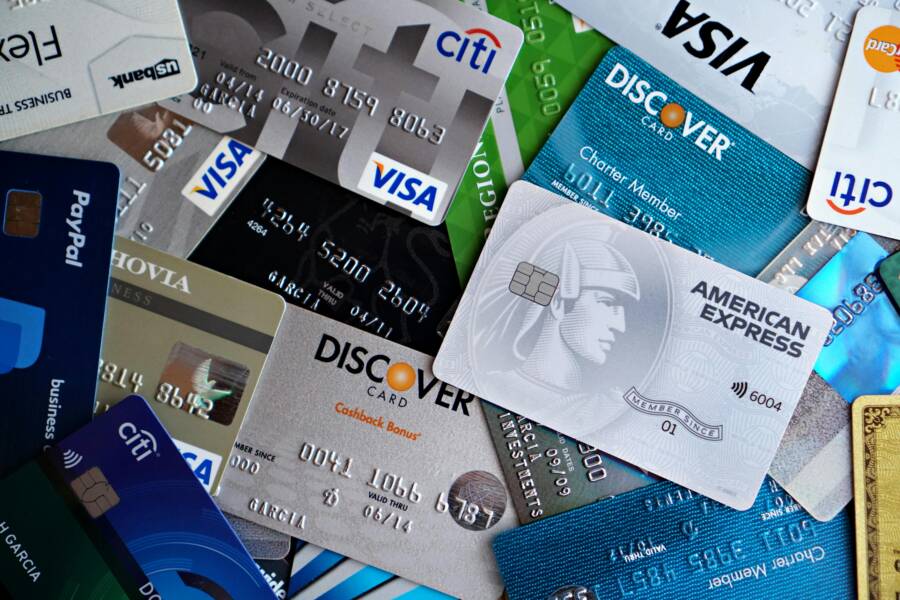
High-interest debt can keep your money stuck in place for years. A credit card bill that never seems to shrink, a payday loan with steep fees, or any loan above about 15% to 20% APR can drain your cash faster than most people expect.
This is why eliminating high-interest debt should come before investing for most people. When you pay off debt with a 25% APR, you earn a guaranteed 25% return on every dollar you no longer owe in interest. For example, carrying $10,000 at 25% APR can cost you $2,500 in interest over a year, which is more than many safe investments are likely to earn in the same period.
That gap matters even more in a high-rate environment. Federal Reserve data has shown average credit card rates around 22% in 2026, which means many households are paying a heavy price just to keep balances open. As a result, every extra payment you make toward that balance can free up future cash flow and move you closer to real wealth.
If your debt costs more than your investments can reasonably earn, paying it down is the stronger move.
The goal is simple, but the payoff is big. Once the debt is gone, your money can finally go toward saving, investing, and building assets instead of covering old borrowing costs. Next, you’ll see why this order matters, how to compare debt payoff with investing, and the smartest way to decide what comes first.
Why High-Interest Debt Costs You More Than You Think
High-interest debt does more than add a monthly bill. It quietly eats the money you could use for saving, investing, or building real financial security. The longer the balance stays open, the more you pay for the same purchase, and the more your future cash gets tied up.
That matters because interest compounds against you. Each month, the lender charges more on the balance you still owe, so even steady payments can feel useless at first. A debt balance can look manageable on paper and still drain your budget for years.
Credit Cards: The Biggest Culprit
Credit cards are often the most expensive form of everyday debt. In 2026, many cards carry APRs in the 20% to 29% range, which is a heavy cost for borrowed money. If you only make the minimum payment, most of that payment goes to interest, not the balance.
Here’s a simple example. On $10,000 in credit card debt at 25% APR, a common minimum payment formula can leave you paying for 30 years or more if you only pay the minimum. Over time, the total cost can climb far beyond the original purchase amount. A balance that started as a short-term fix can turn into a long-term drain.
Small fees make it worse. Late fees, cash advance fees, balance transfer fees, and penalty APRs all add weight to the debt. Miss one payment, and the cost can jump again.
A high APR turns ordinary spending into a long tax on your future income.
The math is harsh because credit cards are built for flexibility, not speed. If you carry a balance, you pay for that convenience every month.
Other Sneaky High-Interest Traps
Credit cards get the most attention, but they are far from the only problem. Payday loans are among the most expensive, with APRs that often reach 300% to 400%. The Consumer Financial Protection Bureau has repeatedly flagged how these loans can roll over, stack fees, and trap borrowers in repeat borrowing.
Buy-now-pay-later plans can also get expensive fast. Some look harmless at checkout, but missed payments can trigger late fees and account freezes. In addition, many people treat several small plans like free money, then get hit with a pile of due dates at once.
High-rate personal loans cause another kind of drag. A borrower with weak credit may face rates that are still far above what an investment account is likely to earn. That means part of every payment goes to interest instead of principal, and the debt lingers longer than expected.
A quick way to judge the damage is simple:
- If the APR is in the high teens or above, the debt deserves fast attention.
- If fees pile on top of interest, the real cost is even higher.
- If the balance does not shrink quickly, the loan is working against you.
The problem is not just the rate. It’s the way fees, compounding, and time team up to keep you behind.
How Debt Steals Your Wealth-Building Power
Debt does more than add a monthly bill. High-interest debt also slows every move you make with money, because each payment first feeds the lender before it helps you. That lost cash flow could have gone toward savings, investing, or a stronger emergency fund.
The real damage is time. When interest keeps compounding, your balance shrinks slowly, and your money stays trapped. In practice, that means less room to invest and less progress toward long-term goals.
The Minimum Payment Myth
Minimum payments look manageable, but they are built to keep the balance alive. Banks set them low on purpose, because a smaller payment means more interest collected over a longer period. That is good for the lender and expensive for you.
Take an $8,000 credit card balance. If the minimum payment is 2% plus interest, most of your payment goes to interest in the early months. The balance drops by only a little, so you keep paying for years. On a card with a high APR, the debt can linger far longer than the original purchase feels worth.
That structure is the trap. You stay current, but you do not move forward fast enough.
A minimum payment protects your account status, but it rarely protects your wealth.
The problem gets worse when you carry multiple balances. Each one takes a slice of your income, which leaves less money for assets that can grow. As a result, you can work hard for years and still feel stuck.
A better approach is to treat minimum payments as the floor, not the plan. If you want real progress, send extra money to the highest-interest balance first. Then keep going until the debt stops draining your future income.
A few signs the minimum is working against you:
- Your balance drops very slowly, even when you pay on time.
- Most of your payment disappears into interest.
- You feel like you are paying forever for one old purchase.
High-interest debt steals wealth-building power because it eats your surplus before you can invest it. Until that drag is gone, your money has less force behind it.
The Huge Wins from Paying Off Debt First
Paying off high-interest debt does more than clean up a balance sheet. It gives you a guaranteed financial win before you put a single dollar into the market. That matters because debt payoff improves your cash flow, reduces risk, and gives you more control over every future money move.
For people focused on long-term wealth, this order often makes the most sense. First, you stop the interest drain. Then, you free up money that can grow, save, or support better life choices. The payoff is both math and mindset.
Guaranteed Returns Beat the Market
When you pay down high-interest debt, you earn a return equal to the interest rate you avoid. That return is certain. If your credit card charges 18% APR, every dollar you use to eliminate that balance saves you 18 cents per year in interest, before taxes and without market risk.
That is hard to beat. The S&P 500 has delivered strong long-term returns, but those returns are not guaranteed in any single year. A market investment can rise, fall, or stay flat. Debt payoff gives you a locked-in result the moment you make the payment.
This is why the math matters so much. If your debt costs 18% and your investment choice is expected to earn less after taxes and fees, the debt payoff is the stronger use of cash. You are not just reducing a bill, you are buying back future income.
A simple way to compare the two:
- Debt payoff gives you a guaranteed return equal to the APR.
- Investing may earn more over time, but the outcome can vary.
- High-interest debt usually carries more risk than most people want to keep on their books.
A guaranteed 18% savings is hard to ignore when market returns are uncertain.
Peace of Mind and Better Choices
The payoff is not only financial. Debt stress can wear people down and push them into short-term decisions. A smaller balance, or no balance at all, gives you more room to think clearly and act with confidence.
That mental space can change real life choices. You can job hunt without panicking about the next payment. You can start a business without carrying as much monthly pressure. You can also build an emergency fund faster, which gives you a cushion when life gets messy.
There is also a practical side. Fewer debt payments mean more flexibility in your budget, and more flexibility means better decisions. When money stops feeling tight every month, you stop reacting and start planning.
That kind of freedom matters if you want long-term wealth. A lower debt load can help you:
- Say yes to a better job, even if the first month is uncertain.
- Spend time on a side business without constant cash stress.
- Handle setbacks without reaching for more expensive debt.
The mental win supports the financial one. Once debt stops controlling your choices, you can build wealth with a steadier hand.
Step-by-Step Plan to Wipe Out Your Debt
A debt payoff plan works best when it feels clear and repeatable. You want a method that fits your money habits, your income, and your patience level. Once you pick a path, the real win comes from sticking with it long enough to see balances fall.
The goal is simple: stop interest from eating your future cash. That means choosing one payoff method, then creating more room in your budget so extra payments actually happen.
Pick Your Debt Payoff Method
Two methods get most of the attention, and both can work. The debt snowball focuses on the smallest balance first, while the debt avalanche targets the highest-interest balance first.
With the snowball method, you pay minimums on every debt, then throw extra money at the smallest balance. That creates quick wins, which can help if you need momentum. A smaller balance disappearing early can feel like a real reset.
The avalanche method follows the math instead. You make minimum payments on all debts, then send extra money to the one with the highest APR. Over time, this usually saves more money because you cut the most expensive interest first.
Here’s the basic tradeoff:
- Snowball: Faster emotional wins, simpler to stay motivated, may cost more in interest.
- Avalanche: Saves more money, more efficient, may feel slower at first.
If you stay motivated by visible progress, snowball may fit better. If you want the strongest financial result, avalanche usually wins. Either way, the key is consistency. A good plan that you follow beats a perfect plan that fades after two weeks.
The best payoff method is the one you will actually keep using.
Before you choose, list every debt, the balance, the minimum payment, and the APR. That gives you a clear view of the road ahead, and it makes the next step much easier.
Boost Income and Trim Expenses
Once you know how you will attack the debt, create more cash for the attack itself. You do not need a huge raise to make progress. Small changes, repeated often, can speed up your payoff timeline.
Start with income. Side gigs, weekend work, freelancing, babysitting, tutoring, and selling unused items can all add extra money. Even a few hundred dollars a month can shave months off a balance when it goes straight to debt.
Then trim expenses with purpose. Cut the costs that do not add much value, such as unused subscriptions, frequent takeout, impulse shopping, and expensive convenience habits. A no-spend challenge for a week or a month can also expose where money slips out too easily.
A simple order helps keep this practical:
- Add any extra income you can find.
- Redirect that money to one debt.
- Cut one or two recurring expenses.
- Repeat the process every month.
The point is not to live miserably. The point is to free up enough cash so your debt stops dictating your future. When extra income and lower spending work together, the payoff speed changes fast.
Real People Who Built Wealth After Ditching Debt
The pattern shows up again and again. People stop sending money to lenders, then they finally have cash left to save, invest, and build assets. Their progress often starts with a simple shift, paying off costly debt before chasing returns.
That choice can feel slow at first. Still, many people who later built strong net worth started by clearing debt and locking in that progress. Once the monthly drain was gone, their money had room to work for them instead of against them.
Public Figures Who Talked Openly About Debt Payoff
Several well-known names have spoken about getting rid of debt before growing wealth. Dave Ramsey built much of his message around aggressive debt payoff after losing money early in his career. His story is a clear example of how removing debt pressure can shape every other money choice.
Suze Orman has also stressed the danger of carrying costly balances. Her work often centers on protecting cash flow first, because debt can limit your options long after the original purchase fades from memory. That message has helped many people treat debt as a drag on future wealth, not just a monthly bill.
These stories matter because they show a real shift in behavior. Once debt is gone, people often save more, invest more, and make calmer decisions. They are no longer running a race with weights on their ankles.
People do not build wealth well when interest keeps eating their surplus.
The lesson is simple. Strong wealth habits usually start with fewer leaks in the budget, and high-interest debt is one of the biggest leaks of all.
Everyday People Often See the Biggest Change
Public examples are useful, but everyday households show the same pattern in a more practical way. A family that clears credit card balances can often redirect that same payment into an emergency fund, retirement account, or down payment savings. The money was already there, it was just going to interest instead of assets.
This change can happen faster than people expect. A monthly credit card payment of a few hundred dollars may not sound dramatic, yet over a year it can free up a serious amount of cash. That extra room can build confidence, which then makes it easier to stay out of debt.
A common shift looks like this:
- Before payoff: income gets split between minimum payments, fees, and stress.
- After payoff: the same income starts building savings and investments.
- Over time: the household keeps more of each paycheck and grows faster.
The real advantage is momentum. Once a person sees one balance disappear, the next goal feels more reachable. That is where wealth starts to compound in a good way.
The Common Thread Behind Their Progress
Different people use different methods, but the pattern is usually the same. They cut off high-interest debt, protect their cash flow, and then direct extra money into assets with growth potential. That sequence gives their income more power.
The next step is often boring, and that is a good sign. Automated savings, steady investing, and fewer monthly obligations create a cleaner path forward. Instead of chasing every new idea, they build on a stable base.
The takeaway is clear. Real wealth gets easier to build once debt stops taking a cut of every paycheck.
Common Mistakes That Keep You Stuck
Many people want to invest while still carrying expensive debt. The problem is that small money habits can keep you trapped for years. High-interest balances grow fast, and a few wrong moves can make the gap even wider.
The good news is that most of these mistakes are easy to spot once you know what to look for. When you fix them, your cash flow improves, your debt falls faster, and your future investing gets stronger.
Treating Minimum Payments Like a Real Plan
Minimum payments keep you current, but they rarely move you forward. They are designed to protect the lender first, so a large share of your payment goes toward interest. That means the balance can stay almost the same for a long time.
This mistake feels harmless because the account looks fine on the surface. Still, the debt keeps draining your income every month. If you keep paying only the minimum, you can spend years funding interest instead of building wealth.
A better approach is to pay more than the minimum whenever you can. Even small extra payments can shorten the payoff timeline and cut the total interest cost. Over time, that gives you more room to save and invest with purpose.
Minimum payments keep you afloat, but they rarely help you move ahead.
Investing While Ignoring Expensive Debt
Some people start investing too early because they want to feel like they are making progress. That urge makes sense, but it can backfire when high-interest debt is still sitting on the books. If your debt costs 20% and your investments may earn less after taxes and market swings, the math works against you.
This mistake often comes from mixing up motion with progress. Putting money into a brokerage account feels productive, yet the debt still grows in the background. You end up building one side of your finances while the other side leaks cash.
A cleaner order helps. First, stop the interest drain on the debt that costs the most. Then, once that burden is gone or under control, direct more money toward investing with less pressure and more consistency.
Making the Same Budget Leaks Every Month
Many people do the hard work of setting up a payoff plan, then lose ground through daily habits. Subscriptions stay active, dining out keeps creeping up, and impulse buys chip away at extra payment money. None of these choices seem huge on their own, but together they slow everything down.
The fix starts with awareness. Review where your money goes each month and find the repeat costs that do not add much value. Then redirect that cash to debt instead of letting it disappear.
A few common leaks include:
- Unused subscriptions that keep charging every month.
- Convenience spending like takeout, delivery fees, and add-on purchases.
- Loose spending rules that turn small buys into a big monthly drain.
If you want to get unstuck, your budget needs to support your goal. Every dollar that escapes your plan is a dollar that stays out of your future.
Waiting for the “Perfect” Time to Start
A lot of people delay action because they want the perfect budget, the perfect income, or the perfect market conditions. That delay costs more than most realize. Interest keeps compounding while you wait, and time works against you.
Progress starts with a clear first step, not ideal conditions. You do not need a flawless plan to make a real dent in high-interest debt. You need a decision, a payment strategy, and enough consistency to keep going when the progress feels slow.
The people who move forward usually do one thing well, they start before they feel fully ready. That habit matters more than getting every detail right on day one.
When you avoid these mistakes, debt payoff becomes more than a money task. It becomes a shift in how you use your income, and that shift opens the door to real investing later on.
Conclusion
High-interest debt slows wealth building because it drains your cash before it has a chance to grow. When you remove that burden first, every dollar you earn starts working for you instead of paying yesterday’s borrowing costs.
The next step is simple. Calculate what your debt is costing you today, then build a budget that sends extra money to the highest-rate balance first. After that, make the first extra payment as soon as you can, because momentum matters more than waiting for a perfect plan.
Financial freedom usually starts with one clear choice, stop funding expensive debt and put your income back on your side. If you have a debt payoff story or a lesson that changed how you handle money, share it in the comments.