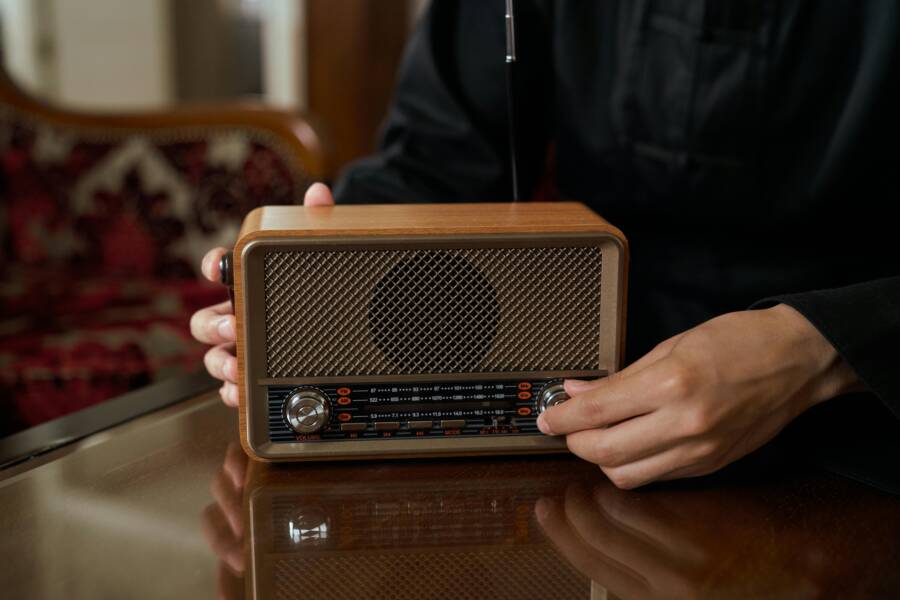
You can spend years grinding at a job and still feel stuck, then one sound track, one frequency, can shift how you think about money. Wealth frequencies are audio tones, such as solfeggio-based hertz levels or binaural beats, that some people use to support a more open, prosperous mindset.
When you listen, the main wealth frequencies brain effects people look for are lower stress, sharper focus, stronger drive, and fresh ideas for making money. For example, a calmer mind can make it easier to spot chances you missed before, while a more focused one can help you follow through.
That doesn’t mean sound alone creates wealth, but it can shape the mental state behind your choices. Next, let’s look at the science basics, the frequencies people use most, and how to test them for yourself.
What Wealth Frequencies Are and Where They Come From
Wealth frequencies are audio tones people use to support a calmer, more focused money mindset. The idea is simple: certain sounds may help you settle your nerves, pay better attention, and think with less mental clutter. For readers focused on money and wealth thinking, that matters because your habits often follow your state of mind.
These sounds usually come from two places, traditional sound systems and modern audio tools. Some are tied to solfeggio frequencies, while others use binaural beats or steady tone patterns. People listen to them while working, journaling, meditating, or planning goals.
The main sounds people call wealth frequencies
Different tracks use different tones, but a few show up often in this space. They usually aim to support calm, focus, and clear thinking around money.
- Solfeggio-based tones: These are single-frequency sounds linked to spiritual and wellness traditions.
- Binaural beats: These use two slightly different tones in each ear, which the brain perceives as a third rhythmic pulse.
- Isorhythmic or pulsed tones: These repeat in a steady pattern and may help create a focused listening state.
- Music layered with frequency tones: Some tracks mix ambient music with a chosen frequency for easier listening.
The frequency itself is only part of the effect. The listening habit, the setting, and your mental state matter too.
Where the idea came from
The roots of wealth frequencies are a mix of ancient sound practice and modern audio research. Solfeggio tones often get linked to meditation and spiritual traditions, while binaural beats come from later audio studies and brainwave research. Over time, these ideas merged with money mindset content, where sound became a tool for focus, confidence, and goal setting.
That mix explains why the topic feels both old and new. On one side, you have long-standing beliefs about sound and balance. On the other, you have present-day recordings made for relaxation, study, or productivity.
For a wealth-focused listener, the appeal is practical. A steady sound can make it easier to slow down, think clearly, and avoid emotional spending or scattered decisions. In other words, the frequency is less about magic and more about creating the right mental backdrop for better money habits.
What people usually want from them
Most people who use wealth frequencies are not chasing money by sound alone. They want a mind that feels ready for smart action. That often includes:
- less stress when thinking about bills or income
- better focus during work or planning
- a more positive state before goal setting
- a calmer start to the day
Used well, these tracks can fit into a broader wealth mindset routine. They work best when they support real action, such as budgeting, skill-building, or consistent work.
How Sound Waves Sync Up with Your Brain’s Natural Rhythms
Sound affects more than mood. It can nudge attention, calm the body, and shape the mental state you bring to money decisions. That matters in a wealth mindset, because your brain handles bills, saving, and risk better when it is not stuck in stress mode.
Your brain already runs on rhythms. These rhythms shift with focus, rest, emotion, and sleep. When a sound track matches or supports a steadier rhythm, it can help you settle down, stay alert, or move into a more reflective state. For people using wealth frequencies, that shift can make money thinking feel less reactive and more deliberate.
Switching to Alpha and Theta Waves for Calm Money Thinking
When stress spikes, the brain tends to sit in a busy beta state. That can help with problem-solving for short bursts, but it also fuels worry, especially around money. Bills, debt, and unstable income can keep the mind on edge, so even simple choices start to feel heavy.
Wealth frequencies are often used to guide the mind toward alpha and theta states instead. Alpha waves are linked with calm focus, which helps you think clearly about goals, budgets, and next steps. Theta waves go deeper, where the mind is more open and less guarded. That state can support new ideas and shift old money beliefs that run in the background.
For example, if you feel tight and anxious every time you check your bank account, a calm sound track may help lower that tension first. Once the body settles, the mind has more room to make steady choices instead of panic moves. That can mean fewer impulse buys, less avoidance, and better follow-through on investing or saving.
Calm thinking gives you a better chance to choose money actions on purpose, not out of fear.
This is why many people listen before journaling, planning, or reviewing finances. The sound does not make the decision for you, but it can change the state you bring into the decision. In money work, that state matters a lot.
Sparking Dopamine Hits to Crave Wealth-Building Actions
Dopamine plays a big role in motivation. It helps the brain connect effort with reward, so you feel pulled toward actions that seem useful or satisfying. When dopamine is low or blocked by stress, even good habits can feel flat. Saving money, working on a side hustle, or learning a skill may start to feel like chores.
Some people use tones such as 528 Hz in the hope of making those wealth-building habits feel more rewarding. The idea is simple: if a sound track helps you feel calmer and more positive, then the brain may link that state with the action you are doing. Over time, that can make the habit easier to repeat.
Stress works against this process. A tense mind often chases quick comfort instead of slow gain. That is why emotional spending can feel so tempting after a hard day. The brain wants relief now, not later. When you lower that pressure, the reward system has a better shot at noticing the benefit of small, smart moves.
That is how listening can support habit formation around money. A short session before budgeting, prospecting, or side-income work can make the task feel less painful. Repeated often, the brain starts to pair those actions with a steadier mood and a clearer sense of payoff.
A simple routine can help:
- Listen before a money task, not after you are already overwhelmed.
- Keep the session short enough to stay focused.
- Pair the sound with one repeatable action, like saving, reviewing numbers, or pitching work.
Used this way, the sound becomes part of the cue that starts a useful habit.
Clearing Out Fear and Old Money Blocks in Your Mind
Money fear often sits deeper than logic. You can know the numbers and still feel tense, guilty, or undeserving when income rises. Those reactions usually come from older memory patterns, not the current situation. That is where calming frequencies such as 396 Hz and 417 Hz are often used.
These tones are commonly linked with release and reset work. People use them when they want to soften guilt, fear, or pressure tied to money. The goal is to give the mind a quieter space so old stories lose some of their grip. When that happens, it can get easier to receive money, ask for fair pay, or stop shrinking your own goals.
Some brain-based research around calming sound and meditation also points to reduced activity in the amygdala, the part of the brain tied to fear detection. Less fear response can mean less overreaction to money stress. Instead of bracing for loss, you may feel more open to possibility.
That shift matters because scarcity thinking narrows choice. It tells you to hold tight, avoid risk, and expect less. An abundance view does the opposite. It helps you see money as something you can manage, grow, and direct with more confidence.
In real life, that can look like this:
- asking for a raise without backing down
- looking at savings without panic
- planning for growth instead of only surviving the month
The change is often subtle at first. Still, once fear eases, your next money move can come from trust instead of tension.
Top Wealth Frequencies That Target Specific Brain Shifts
Certain wealth frequencies are used to support different money mindset goals. Some help you release fear. Others help you think more clearly, trust more easily, or stay open to new income paths. That matters because money habits often begin with a mental state, not a spreadsheet.
Each tone is usually paired with a specific inner shift. One may calm stress. Another may support new beliefs. Another may help you feel safer around growth and connection. Used with intention, these sounds can give your brain a better setting for wealth-focused action.
396 Hz: Erase Guilt and Open Doors to Prosperity
396 Hz is often linked with release work, especially guilt, fear, and the heavy feeling that money is hard to hold. For many people, that matters more than pure motivation. If you feel ashamed when you spend, receive, or earn more, your mind can block healthy money choices before you even start.
This tone is often associated with the root chakra, which ties into safety and survival. In practical terms, that means it may help you feel more grounded when money feels unstable. A calmer body can lower stress signals, including cortisol, so your thoughts are less likely to spiral into panic or self-judgment.
That shift can change how you handle money day to day. You may spend without the same layer of shame, set prices with more confidence, or accept paying clients without feeling like you need to shrink your value. When guilt drops, you create more room for steady prosperity habits.
Use it before budgeting, pricing work, or reviewing your finances. A few quiet minutes can help your nervous system settle, so money feels less like a threat and more like a tool.
417 Hz: Undo Negative Patterns Holding Back Your Cash Flow
417 Hz is often used when someone wants to clear old blocks and make room for change. It is tied to release, reset, and fresh habits, which makes it a strong choice if your money story keeps repeating the same mistakes. Overspending, avoidance, and self-sabotage usually start with learned patterns, and those patterns can feel hard to break.
This frequency is often connected to the brain’s ability to form new pathways. In simple terms, that means it may support neuroplasticity, the brain’s capacity to learn and replace old responses. If you pair the sound with a new money habit, you may find it easier to stick with the new path.
That can help when you are trying to stop impulse buys or react less to stress spending. For example, you can listen before checking your bank app, updating a budget, or making an income plan. The goal is to interrupt the automatic loop and make space for a better choice.
Repetition shapes money habits as much as intention does.
Over time, a small listening ritual can become a cue for cleaner decisions. That is where cash flow shifts often begin, one choice at a time.
528 Hz: The Miracle Tone for DNA-Level Wealth Alignment
528 Hz is widely known as a love-based frequency, and many people use it when they want a more positive, open state of mind. In money work, that matters because fear closes people down. A more hopeful brain, by contrast, is often more willing to notice chances, take action, and stay with long-term goals.
This tone is often linked with repair and transformation. Some listeners use it during healing routines, while others use it to support confidence and trust. From a brain perspective, it is often associated with a lift in oxytocin and serotonin, two chemicals tied to calm, connection, and a brighter mood. When those feelings rise, money work can feel less tense and more possible.
That emotional shift can affect how you attract opportunity. You may speak more clearly, follow up faster, or show up with more warmth in business settings. Those small changes can matter when you want better clients, stronger offers, or new partnerships.
Try listening before outreach, content planning, or sales calls. The sound can help you enter the task with less resistance and more openness. In wealth terms, that often makes your next move easier to spot.
639 Hz: Build Connections That Bring in Money Partners
639 Hz is closely linked with the heart chakra and better relationships. That makes it a useful tone when your money growth depends on people, not just solo effort. Clients, collaborators, mentors, and referrals all come through connection, and the quality of those links can affect your income.
This frequency is often used to support empathy and smoother communication. Brain-wise, it may help the prefrontal cortex, which plays a role in empathy, judgment, and social awareness. When that part of the brain is more engaged, it can be easier to listen well, respond with care, and keep your business relationships strong.
That matters in practical ways. A warm follow-up can lead to a deal. A thoughtful introduction can open a new lane. A clear, respectful conversation can turn a weak lead into a long-term partner.
Use 639 Hz before networking, client calls, or collaboration planning. It can help you show up with less tension and more ease, which often makes you more memorable. In money growth, relationships are not extra. They are part of the path.
Proof from Science and Real Listeners’ Transformations
Claims about wealth frequencies need a clear lens. Sound can shape mood, attention, and stress, but it does not print money or replace action. The strongest case comes from two places, research on how the brain responds to sound, and the real changes people notice when they use these tracks with a money goal in mind.
What science supports, and what it does not
Research on music, rhythm, and binaural beats shows that sound can influence arousal, focus, and relaxation. That matters because a calmer mind makes better money choices. When stress drops, people often think more clearly, pause before impulse buys, and stick to plans longer.
Binaural beats have also been studied for changes in brainwave activity, especially in relaxed or focused states. Results are mixed, but some studies show small shifts in anxiety, attention, and mental fatigue. Those changes are modest, yet they can still help if you use listening as part of a money routine.
What the science does not show is direct wealth creation from a tone alone. A frequency cannot replace budgeting, skill building, sales work, or disciplined saving. However, it can support the brain state that makes those habits easier to sustain.
The useful question is not whether a tone makes you rich. The better question is whether it helps you think and act like someone who manages money well.
Common changes real listeners report
People who use wealth frequencies often describe changes that feel practical, not dramatic. They say they can sit with money numbers longer, feel less tense around bills, and follow through on tasks they used to avoid.
A few reports come up again and again:
- Less anxiety before checking finances: The listening habit can make bank balances and budgets feel less charged.
- More focus during work: Some listeners use tracks to stay on task when building income or side projects.
- Better emotional control: A calmer state can reduce stress spending and reactive decisions.
- Stronger confidence: People often feel more willing to ask for fair pay or set clearer goals.
These changes matter because money behavior often breaks down before logic does. If your body stays calm, your mind has more room to choose well.
The pattern behind real transformation
The biggest shift usually comes from repetition. A person listens before budgeting, working, or journaling, then repeats that habit often enough for the brain to link sound with a focused money state. Over time, that routine can become a cue for action.
That is where transformations tend to show up. Not in a sudden windfall, but in smaller wins, fewer avoidance habits, cleaner decisions, and more consistency around income goals. For someone building wealth, those changes can matter more than a dramatic promise.
A simple pattern often looks like this:
- Listen before a money task.
- Pair the track with one clear action.
- Repeat the same setup often.
- Watch for changes in mood, focus, and follow-through.
Real listeners get the best results when they treat wealth frequencies as support, not a shortcut. The sound can prepare the mind, but the money growth still comes from what you do next.
Simple Steps to Listen and Unlock Your Brain’s Wealth Potential
Listening works best when you treat it as a routine, not background noise. The goal is to give your mind a repeatable cue for calmer money thinking, better focus, and more steady action. If you want your brain to support wealth goals, the way you listen matters as much as the track itself.
Pick a frequency that matches your money goal
Start with the result you want. If you need calm before checking finances, choose a soothing tone. If you want better focus for income work, choose a steady track that helps you stay alert without feeling tense.
A simple match can look like this:
- For stress relief: 396 Hz or 417 Hz
- For focus and follow-through: binaural beats or pulsed tones
- For confidence and positive mood: 528 Hz
- For client work and better communication: 639 Hz
Keep the choice practical. A sound that feels pleasant and easy to repeat will help more than a track you only use once.
Listen at the right time, before you make money decisions
Timing shapes the effect. Use the audio before tasks that often trigger stress, like budgeting, pricing, sales calls, or income planning. That gives your brain a calmer starting point.
A short session works well when it becomes part of a clear habit. For example, you might listen while opening your budget app, journaling about income goals, or reviewing a work plan. The sound then acts like a switch that tells your mind, “Now it’s time to focus on money with a clear head.”
The best listening habit is the one you can repeat on ordinary days.
Consistency matters more than length. Ten steady sessions will do more than one perfect one.
Pair the sound with one clear action
Audio alone can relax you, but action gives the listening purpose. After the track starts, do one money task right away. That keeps your brain tied to a specific behavior instead of drifting into passive listening.
Good pairings include:
- Review one account or spending category.
- Write one income goal for the week.
- Reach out to one client or lead.
- Make one saving or debt payment.
This small link matters because the brain learns by repetition. When sound and action repeat together, your mind starts to connect calm with money follow-through.
Notice what changes, then adjust
Pay attention to how you feel during and after each session. You may notice less tension, steadier focus, or fewer urges to avoid your numbers. Those changes may be subtle, but they tell you whether the track is helping.
If one frequency feels too intense, switch to a softer one. If your mind still feels scattered, try a shorter session in a quieter space. The point is to build a routine that supports clearer money choices, one listening habit at a time.
Conclusion
Wealth frequencies can help set the brain into a steadier state before you make money choices. Through entrainment, a calmer rhythm can support focus, lower stress, and make it easier to act with intention instead of fear.
They can also support motivation in a simple way. When a track helps your mind feel clearer and more open, it may be easier to build drive, clear old money blocks, and stay with habits that support an abundance mindset.
Start today with one frequency that fits your goal, then listen before a money task. Share what you notice in the comments, because small daily changes often lead to the biggest money wins over time.