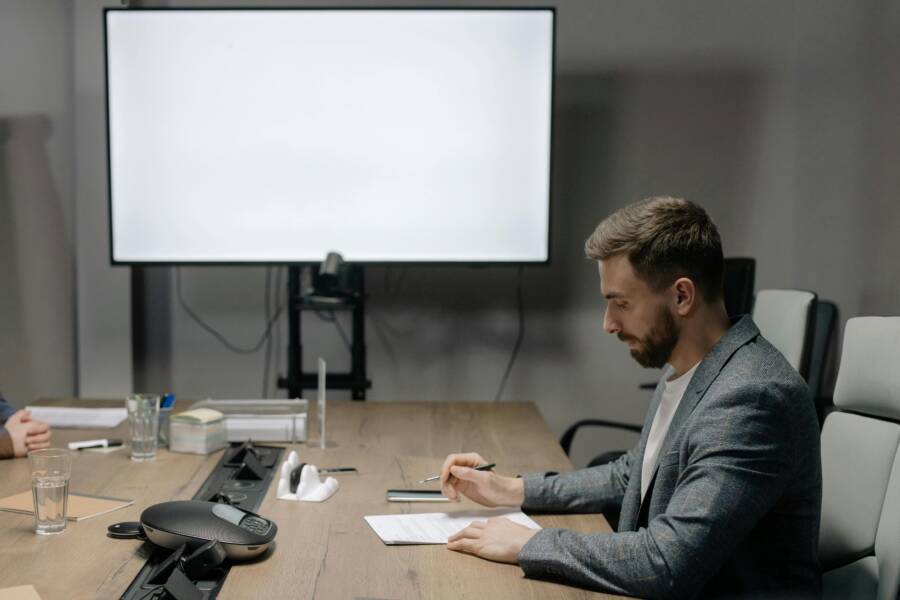
A business leader once walked into a tense investor meeting with a deal on the line. The room was skeptical, the questions were sharp, and no one seemed ready to agree, yet by the end of the hour the group had moved toward yes, without raised voices, hard pressure, or a single order.
That kind of room guidance is a real skill. It means shaping a group’s thinking in a way that feels natural, so people believe the final idea was theirs all along. You use it in meetings, negotiations, pitches, and boardroom talks, and those moments can shape income, partnerships, and long-term wealth.
For people who build businesses or lead teams, this skill matters because money often follows influence. A calm leader who can guide a room can close better deals, reduce pushback, and keep strong ideas moving forward. For example, one small shift in tone or timing can turn doubt into support, while the wrong move can stall a profit-making opportunity.
This post shows you how to do it with clear, practical steps. You’ll see how to read the room, shape agreement without force, and speak in a way that gets people leaning in instead of shutting down. However, the goal isn’t manipulation for its own sake, it’s stronger judgment, better trust, and smarter results.
If you want more wins in business without looking pushy, this skill gives you an edge. Next, you’ll see the core methods that help you guide a room with confidence and keep people moving in your direction.
Why Subtle Influence Outshines Direct Commands in Money Talks
Money talks can turn tense fast. People protect their wallets, their pride, and their sense of control. That is why direct commands often backfire, while subtle influence keeps the room open.
When you push too hard, people feel cornered. When you guide the conversation with care, they stay engaged and keep thinking with you. In money conversations, that difference affects closing rates, pricing power, and long-term trust.
The Hidden Cost of Trying to Boss a Room Around
Direct control often triggers resistance before the real issue even gets discussed. If you demand agreement too early, people start defending their position instead of hearing yours. During price talks, that can make a buyer dig in, ask for more discounts, or delay the deal just to regain control.
That reaction is expensive. It damages rapport in the moment, and it also hurts future deals. A client who feels pressured today may remember the tone long after the contract ends. Next time, they may invite someone else to bid or simply avoid the conversation.
A real sales flop shows the risk clearly. A rep once walked into a renewal meeting and opened with, “We need a signed extension by Friday.” The client had concerns about service delays, but the rep kept pressing the signature. The buyer got quiet, then shut the door on the renewal and asked for time to review other vendors. One hard push erased months of goodwill.
In money talks, pressure often creates delay, not action.
Subtle influence works better because it keeps dignity intact. Instead of forcing a yes, you help people arrive at it on their own. That path feels safer, so they stay in the room and keep the deal alive.
How Quiet Steering Builds Trust and Profits
Quiet steering works because people commit more strongly to choices they believe they made themselves. They ask fewer questions after the sale, defend the decision to others, and stay more open to future offers. That usually means stronger repeat business, steadier referrals, and better lifetime value.
This approach also protects margins. When you guide with calm questions, clear framing, and patient timing, you avoid panic discounts and rushed concessions. As a result, the conversation stays focused on value instead of turning into a price fight.
A CEO at a service firm once used this style during a contract renewal with a major client. Instead of pushing for an immediate signature, she walked the team through costs, service gaps, and the risk of switching providers. The client chose the higher-priced package, but because they felt ownership of the decision, they stayed loyal for years and kept expanding the relationship.
A few habits make this work in practice:
- Ask before you direct: Questions give people room to think and lower the urge to resist.
- Frame choices clearly: Two strong options feel better than one forced answer.
- Pause after key points: Silence gives the other side space to process and commit.
- Tie value to outcomes: Money talks go better when people can see what they gain.
In wealth conversations, calm guidance often earns more than pressure. People pay attention when they feel respected, and respect keeps profit on the table.
Command Attention with Body Language No One Notices
Your body speaks before your first sentence lands. In meetings tied to money, that matters because people watch for signs of control, calm, and certainty. Small shifts in posture, eye contact, and dress can shape how much room you get without forcing anything.
The goal is simple. You want to look steady enough that others relax, but not so stiff that you seem closed off. When your nonverbal cues match your message, people trust your judgment faster.
Own Your Space Without Crowding Others
Where you sit changes how people read you. At a table, the end seat often gives you a clear view of the group, while a centered position can signal balance and presence. Both work when you use them without trying to dominate the space.
During team budget talks, for example, sit where you can see every face and hear every pause. That lets you track reactions while still looking composed. A slight lean forward at key moments shows interest, especially when someone raises a cost concern or brings up a revenue risk.
Keep your posture open, but avoid spreading out too much. Taking up space with ease feels different from claiming it with force. People notice the difference right away.
A few small habits help:
- Choose your seat with intent: Pick a spot that lets you stay engaged with the whole room.
- Lean in only at key points: Use it when a point matters, then return to a neutral posture.
- Keep your hands visible: Hidden hands can make you seem guarded.
- Stay still when others speak: Restless movement can signal doubt, even when you know the numbers.
That kind of control matters in money meetings because calm posture can lower tension before the numbers even come up. If you look grounded, the room is more likely to treat your budget view as measured and serious.
Eye Contact and Gestures That Pull People Your Way
Eye contact should feel even, not intense. Scan the room in a steady way so no one feels ignored, then pause longer when someone makes a useful point. That pattern tells people you are present, fair, and ready to hear them out.
Nodding helps too, but use it with care. A small nod says, “I hear you,” and that can keep the conversation moving. Too much nodding looks eager, which can weaken your sense of authority.
Open palms are one of the simplest trust signals in the room. They suggest honesty and reduce the sense that you are hiding part of the story. When you are closing partnership deals, that matters because both sides need to feel safe before they commit.
Use gestures to frame your point, not to fill silence. A calm hand motion can guide attention toward the most important number or condition. Sharp, busy gestures can make a confident message feel scattered.
People trust leaders who look settled before they speak and steady while they speak.
In deal talks, this is often what separates pressure from persuasion. You do not need to stare anyone down. You need to make enough eye contact that each person feels included in the decision.
Dress and Demeanor for Instant Authority
Clothes send a signal long before the discussion starts. Clean, neat, and well-fitted clothing tells people you pay attention to detail. In money conversations, that reads as control, which matters when the room is sizing up your judgment.
You do not need expensive outfits to look credible. You need consistency, care, and a fit that matches the setting. A wrinkled shirt or sloppy jacket can distract from a strong pitch, especially when people are deciding whether to trust you with capital or risk.
Your demeanor matters just as much. A calm voice, measured pace, and relaxed face help keep the room steady. If the meeting gets tense, your calm can act like an anchor.
A venture pitch makes this clear. Founders often face sharp questions about burn rate, margins, and timing. The ones who look composed under pressure usually sound more prepared, and that confidence can make investors stay focused on the opportunity instead of the fear.
A simple way to approach it is this:
- Dress one level above the room’s average.
- Keep your clothes clean, pressed, and free of distractions.
- Match your tone to the stakes, not to the stress.
- Move slowly enough that you never look rushed.
That combination creates instant authority without noise. When your appearance and manner both say, “I’m in control,” people spend less energy questioning you and more energy hearing the business case.
Plant Ideas with Words That Feel Like Theirs
A room rarely moves because someone pushes it. More often, it moves because the right words make an idea feel familiar, safe, and sensible. In money talks, that matters a lot, because people protect both their cash and their pride.
When you plant an idea well, you lower resistance before it starts. The group starts talking in your direction, but they still feel ownership of the final call. That is where subtle leadership does its best work.
Ask Questions That Lead to Your Goal
Questions are one of the cleanest ways to guide a room. They invite people to think out loud, and that gives your idea room to grow without sounding forced. If you ask the right question, the group often walks straight toward your point on its own.
Open-ended prompts work best when they point toward a useful outcome. A question like, “What if we tried this pricing for the first quarter?” gives people a path to discuss your preferred option without making it feel imposed. The room gets to solve the problem, and your idea gets a fair hearing.
That works well in budget meetings, sales calls, and partnership talks. Instead of saying, “We should raise the price,” you can ask, “How would the margin look if we moved the price up 8%?” The second version feels less like a command and more like a shared check on the numbers.
You can guide the room even more by asking questions that narrow the field. A few useful styles include:
- Comparison questions: “Which option gives us the best return over six months?”
- Risk questions: “What could go wrong if we wait another quarter?”
- Value questions: “What would make this deal worth more to both sides?”
- Timing questions: “What would need to be true for us to move now?”
Each one steers attention toward the outcome you want. People feel included because they are helping build the answer.
Good questions do more than gather input, they shape the limits of the discussion.
The key is to sound curious, not sly. If the question feels like a trap, people will pull back. If it feels practical, they will lean in and start helping you build the case.
Frame Options So Yours Wins Every Time
People relax when they think they have a choice. That makes framed options powerful, especially in money talks. You can present two paths, then shape the better one so it matches your goal.
The trick is to make both options look reasonable, while one clearly protects profit, growth, or control. In salary talks, for example, you might offer a higher base with lower commission, or a lower base with stronger upside. If your goal is cash flow protection, the second path often gives you more flexibility while still sounding fair.
This approach works because people compare choices against each other. They often pick the option that feels more balanced, more stable, or more attractive on the surface. If you frame the choices well, your preferred path becomes the easy one to defend.
You can use this in many business settings. A client may choose between a discount for a longer contract or standard pricing with shorter terms. A founder may choose between a larger investment with more oversight or a smaller check with less control. In each case, the structure matters more than the pitch.
Keep the framing clear and simple. If you overload the room with too many paths, you lose the effect. Two options are often enough, especially when one gives you better margins or stronger terms.
A useful rule is to pair one safe option with one better-for-you option. That way, people feel free to choose, but the choice still points in your direction. The room sees flexibility, while you keep the upper hand.
Use Stories to Sneak in Your Agenda
A short story can do what a direct argument cannot. It lowers defenses and lets your point arrive through the side door. In money meetings, a well-placed story can make an investment, pricing move, or spending request feel less risky.
The best stories are short, specific, and relevant. They should mirror the current problem closely enough that people see the connection right away. If you are asking for more budget, tell a brief story about a time when a similar spend created better margins, smoother delivery, or a stronger close.
A story works because it gives the room a safe example to inspect. People are often less defensive when they evaluate someone else’s past choice. Once they see the pattern, they apply it to the decision in front of them.
Keep the story focused on the outcome you want. If you want approval for investment, show how a past spend paid off. If you want patience, show how waiting prevented a bad deal. If you want confidence in a bigger ask, show how the larger move won more value later.
A simple structure keeps it sharp:
- Set the scene in one sentence.
- Name the problem or pressure.
- Show the move that worked.
- Tie it back to the present decision.
That is enough. You don’t need drama, just proof that your idea has worked before.
A short example helps. “We faced the same hesitation last year when we raised the service fee. The client pushed back at first, but once we showed the delivery gains, they approved it and renewed at a higher level.” That story does the work of five minutes of arguing.
Used well, stories help your agenda feel grounded in experience. The room hears less persuasion and more precedent, which makes agreement easier to reach.
Read Group Vibes to Steer on the Spot
A meeting rarely moves in a straight line. People bring budgets, opinions, status, fear, and hope into the same room, so the mood can shift fast. If you can read that mood early, you can guide the talk before it turns into a standoff.
This skill matters in money conversations because tension often hides the real issue. A person may say they want more data, when they really want safety. Another may nod along, while still planning to push back later. The room gives you clues if you know where to look.
Key Signals That Show Who’s Swayable
Body language often tells you who is open, who is set, and who is quietly shaping the room. A slight body lean toward the speaker usually shows interest. Fast nods can signal agreement, while eye rolls or crossed arms often mean a person is resisting the direction of the talk.
Pay close attention to the people others watch. In many meetings, one or two voices carry more weight than the rest. If those people lean in, the room often follows. If they shut down, the group may stall even when the idea is strong.
Watch for these signs as the discussion unfolds:
- Body lean: A lean forward often means the person is engaged and still persuadable.
- Fast nods: Quick nods can show early buy-in, or at least comfort with the point.
- Eye rolls and side glances: These often reveal doubt, even when the person stays silent.
- Delayed responses: Long pauses before answering can mean the person needs more proof.
- Small questions: Short, practical questions often come from people who are close to agreeing.
Money talks get easier when you track these cues in real time. Then you can direct your strongest points at the people who can move the rest of the room.
The most persuasive person in the room is often the one others trust enough to follow.
Shift the Flow When Tension Builds
Tension does not always mean rejection. Often, it means people feel pressure and want a safer path. Start by agreeing with the part that makes sense, then move the talk toward the next step. That simple move lowers resistance without giving up your position.
For example, if a client says the budget feels high, you can acknowledge the concern before defending the price. Say that the concern is fair, then point to the cost of delay, missed revenue, or added risk. This keeps the other person from feeling cornered, which helps the conversation stay productive.
When the room starts to tighten, slow your pace. Use shorter sentences. Ask one focused question that brings the group back to the decision. People often calm down when they feel heard, and calm people make better financial choices.
A useful shift looks like this:
- Name the concern without arguing it away.
- Agree with the part that is true.
- Redirect toward the cost, value, or result.
- Ask for the next small step.
That pattern protects momentum. It also helps you save deals that might otherwise stall, because the room feels guided instead of pushed.
Borrow Tricks from Top Deal Makers
Top deal makers rarely win by talking louder. They win by reading the room, matching the pace, and moving the group with care. That same approach helps in meetings where money, risk, and trust sit on the table.
The goal is simple, guide the room without triggering defense. When you borrow the right habits from strong negotiators, you make your ideas easier to accept. The conversation feels steady, and people stay open longer.
Mirror Moves to Sync the Group Fast
Mirroring helps people feel understood before they feel persuaded. Match the room’s pace, tone, and energy in a subtle way, and the resistance drops. If others speak slowly, slow your pace. If they sound measured and practical, keep your language grounded too.
This works because people trust what feels familiar. In a budget review, for example, a calm voice and even pace can keep a skeptical finance lead from bracing for a fight. You are not copying them line for line, you are creating a shared rhythm that makes agreement easier.
Start with the basics. Match sentence length to the room. Use the same level of formality. If someone is direct and brief, avoid long setup lines. If the group is thoughtful and detailed, give them enough space to work through the numbers.
Small signals matter as well:
- Pace: Move a little slower than the fastest speaker in the room.
- Tone: Keep your tone steady when others sound tense.
- Word choice: Use the same simple business terms the group already uses.
- Energy: Match the room’s calm or urgency without overdoing either.
Good mirroring feels natural. If people notice the technique, you have gone too far.
Used well, mirroring buys you trust early. That trust can make a price increase, funding request, or contract change feel less sharp and more reasonable.
Pace Then Lead to New Heights
Strong deal makers rarely jump straight to their preferred outcome. First, they match the current conversation. Then they guide it toward a better financial position. That sequence keeps people with you, because they feel heard before they are asked to move.
In practice, this means starting where the room is, then shifting one step at a time. If the group is focused on short-term cost, begin there. After that, move to long-term value, reduced risk, or stronger returns. The change should feel like a next step, not a sudden turn.
This pattern works especially well in profit talks. Suppose a client wants the lowest price. You can acknowledge the budget limit, then show how a slightly higher package protects service quality, reduces delays, or saves money later. The room stays in the same conversation, but the target changes.
You can use a simple sequence:
- Reflect the current concern in plain language.
- Confirm the part that is true.
- Introduce the better financial angle.
- Ask for the next small commitment.
That pace helps people move without feeling pushed. It also gives you room to lead with facts instead of pressure.
A good deal maker knows timing matters as much as the message. Match first, then guide, and the room is far more likely to move with you.
Steer Clear of Blunders That Blow Your Cover
Subtle room leadership works best when your behavior feels natural. One wrong move, though, can make your intent obvious and weaken your influence fast. In money talks, people notice overreach, especially when the room already feels guarded.
The safest path is to stay calm, stay useful, and stay aware of how each move reads. Small mistakes often do more damage than weak arguments. A sharp pause can protect your position, while a clumsy push can expose it.
When Eagerness Gives You Away
Eagerness can help at the wrong time and hurt at the right one. If you jump in too soon, finish other people’s sentences, or pile on before a point lands, you start looking anxious instead of confident. That kind of energy makes the room feel like you need the outcome more than they do.
In money conversations, this matters because urgency is contagious. When you rush, others slow down or pull back. Instead, let each point breathe. A brief pause after a strong statement gives people space to think, and that space often turns into agreement.
Watch your timing in a meeting. If someone raises a concern, let them finish before you respond. If the room gets quiet, don’t rush to fill every gap. Silence can feel uncomfortable, but it also gives your words weight.
A few habits keep eagerness in check:
- Wait one beat before replying: That pause shows you’re listening, not chasing control.
- Let others finish their thought: Interrupting makes your point feel less credible.
- Use fewer words when the room is tense: Short answers sound steadier under pressure.
- Save your strongest point for last: If you lead with everything, you have nothing left to anchor the room.
A calm pause often says more than a fast answer ever could.
In deal settings, restraint reads as confidence. People trust the person who can hold the room without rushing to prove they belong in it.
Ignoring the Quiet Voices That Matter
The loudest person in the room rarely holds all the influence. Often, the people who speak less are the ones who shape the final decision. If you miss them, you miss the real temperature of the room.
Quiet voices matter because they often carry practical concerns. They may be watching margins, risk, timing, or internal politics. If you only answer the dominant speaker, you can win the argument and still lose the deal later.
Bring those sidelined voices into the conversation early. A simple invitation works well, especially from people who have stayed silent. Try asking, “What’s your view on the numbers?” or “What would make this easier to support?” That kind of prompt gives quieter people a clean opening without putting them on the spot.
You can also use the setting to your advantage. In a small group, direct a question toward the person who has not spoken yet. In a larger meeting, pause after a key point and let silence do some work. People often step in when they feel the space is real.
A quick approach can help:
- Notice who has not spoken.
- Ask for one concrete view.
- Reflect their point back clearly.
- Tie their input to the next step.
That move does two things at once. It pulls hidden concerns into the open, and it builds consensus from the edges of the room. In money talks, that can save time, protect trust, and keep a good decision from getting derailed after the meeting ends.
Conclusion
Guiding a room without anyone noticing comes down to a few steady habits. You read the mood, shape the frame, use calm body language, and ask questions that help people reach the point on their own.
That approach works because it protects trust while still moving the outcome in your favor. In money talks, control often comes from restraint, since people follow the person who feels settled, not the one who pushes hardest.
Start in low-stakes meetings, where the pressure is small and the feedback is clear. Once the timing, tone, and pacing feel natural, bring the same skills into higher-value conversations where more money is on the line.
Try one tip next week, then watch how the room responds. When you guide well, meetings feel smoother, decisions move faster, and your bank account has more room to grow.