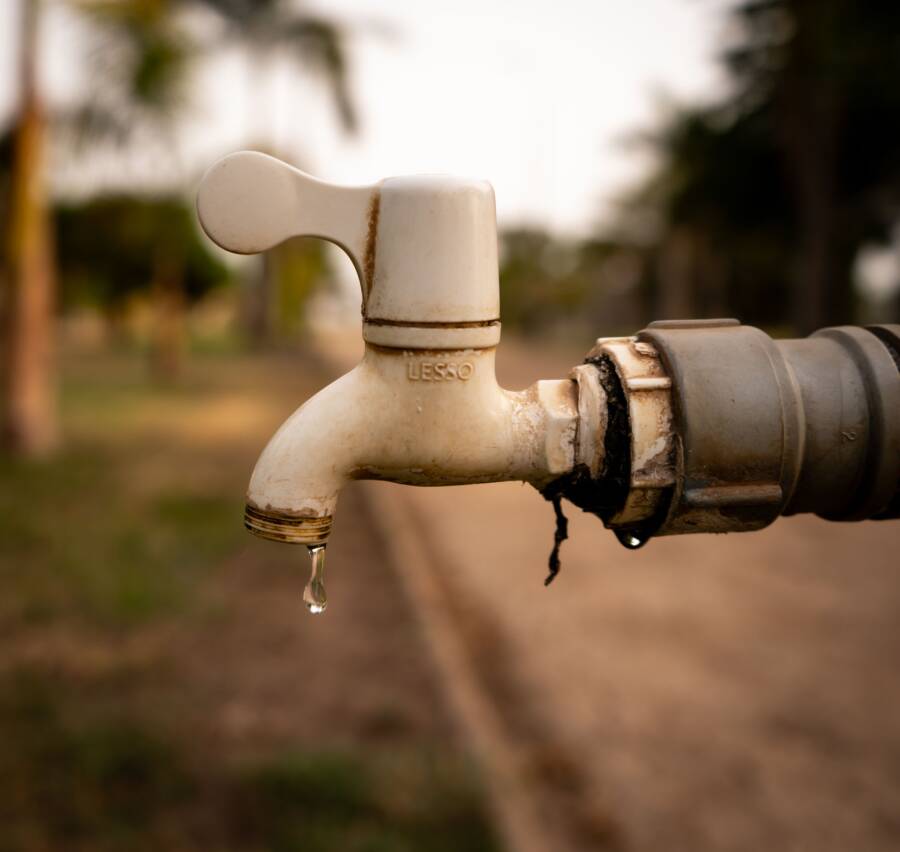
Small, daily purchases often drain your bank account without you noticing. These minor leaks compound over time, turning hundreds of dollars of lost potential into thousands of missed savings.
You do not need to cut every joy from your life to fix this. Instead, stopping these leaks requires building better awareness and intentionality regarding where your money goes each day.
Identifying your specific spending triggers is the first step toward keeping more of your income. You can start by examining your recurring habits in the next section.
Why Small Expenses Are Draining Your Wealth
Small, recurring purchases often act as silent thieves. While a single five-dollar charge seems insignificant, these costs aggregate into major financial losses over time. Most people focus on large bills like rent or car payments, but the cumulative effect of minor, daily habits frequently proves more destructive to long-term wealth.
The Psychology of Invisible Spending
Modern payment technology changes our relationship with money by removing physical friction. When you use cash, you feel the weight of what you lose. You watch the bills leave your hand, providing a clear psychological signal that your resources are depleting. Digital wallets, contactless cards, and one-click purchasing erase this barrier.
Because money feels abstract on a screen, your brain registers the transaction differently. You experience the pleasure of the purchase while the pain of paying remains muted. This disconnect allows you to spend more freely than you would with physical currency. Companies design these systems specifically to minimize friction because they know convenience encourages higher spending. Without the tactile reminder of loss, your sense of value attached to each dollar drops. You stop thinking of the transaction as a trade of labor for goods and start seeing it as a minor, inconsequential detail.
Calculating the Real Cost of Convenience
Habitual spending creates a hidden tax on your future net worth. Consider a daily five-dollar coffee or snack. While it appears to be a small cost today, this habit costs you approximately 1,825 dollars every year.
If you redirected that same money into an investment account earning a moderate annual return of seven percent, the results shift dramatically over time:
The data shows that 36,500 dollars of principal grows into more than double that amount over two decades. By spending five dollars a day, you lose more than just the cost of the item. You forfeit the growth potential of that capital. Every small purchase carries this opportunity cost. When you choose convenience, you exchange your future financial freedom for a momentary experience. Calculating the actual cost of these habits helps you see that these choices are not about the item itself, but about the long-term wealth you choose not to build.
Identify and Plug Your Specific Money Leaks
Stopping financial waste requires you to find where your cash disappears. Most people lose money through automated payments they ignore and impulse purchases they make without thinking. You can secure your future by auditing these habits today.
Auditing Your Digital Subscriptions and Fees
Many people pay for services they no longer use. These forgotten charges, often called zombie subscriptions, quietly drain your bank balance every month. You likely signed up for a trial period, forgot to cancel, and now pay a monthly fee for content you never watch or software you never open.
Check your monthly credit card and bank statements specifically for recurring charges. Highlight every payment that appears familiar but lacks a clear benefit in your current life. Many banking apps now provide a subscription management feature that lists your recurring transactions in one view. If your bank does not offer this, use a dedicated tracking app like Rocket Money or Bobby to monitor your active commitments.
Cancel every service that does not provide consistent value. You can always sign up again if you find you miss a service, but you cannot reclaim the money lost on months of inactivity. Set a calendar reminder once every three months to repeat this review process.
Managing Impulse Buys Before They Happen
Retailers design checkout experiences to remove friction. They store your credit card information and offer one-click purchasing options to encourage rapid spending. You can reverse this by adding intentional barriers back into your shopping process.
Use the 24 hour rule for any non-essential purchase. When you find an item you want to buy, force yourself to wait one full day before completing the transaction. This pause allows the initial emotional impulse to fade. You will often realize the item is not necessary after the immediate urge passes.
Remove your saved payment information from your web browsers and shopping apps. When you must manually type your credit card number for every purchase, you gain time to think about the actual cost. This extra effort provides a natural break that stops many impulsive decisions. You become more selective with your money because the process of spending it now requires your full attention.
Building Better Habits for Long Term Financial Health
The most effective way to secure your financial future is to remove the burden of willpower from your daily routine. Many people wait until the end of the month to save whatever remains of their paycheck. This approach often results in zero savings because small, daily expenses consume the leftover cash. To build wealth, you must shift your perspective and treat your savings as a fixed, mandatory expense that occurs the moment your income arrives.
The Power of Paying Yourself First
Automating your savings turns a difficult choice into a standard procedure. When you move money into a savings or investment account before you spend it on daily habits, you effectively pay your future self first. This method prevents the temptation to justify small, unnecessary purchases throughout the month. You adjust your spending to fit what remains, which forces you to live within your actual means.
You can set up this process through your bank or payroll provider. Follow these steps to implement an automated system:
Determine a specific, realistic percentage or dollar amount you want to save from every paycheck.
Log into your banking portal to create an automatic transfer from your checking account to a savings account.
Schedule this transfer to occur on the same day your salary deposits into your account.
Review your remaining balance to understand what you have available for living costs and recurring habits.
If your employer offers a retirement plan like a 401(k), you can automate this process even further. These contributions are deducted from your paycheck before you even see the money in your checking account. This makes saving invisible and entirely frictionless. You stop viewing this money as part of your disposable income, which protects your wealth from being drained by small, daily conveniences.
By making this change, you stop reacting to your spending habits and start controlling your financial trajectory. Your savings grow steadily regardless of the small daily choices that often lead to financial leaks. This structure forces you to prioritize your long-term goals while still allowing you to manage your daily life with the remaining balance.
Common Questions About Financial Habits
Most people want to improve their financial standing but feel unsure about where to begin. Confusion often stems from the overwhelming amount of conflicting advice about saving, investing, and daily spending. Addressing your most frequent concerns helps you gain clarity and focus on the actions that generate actual results.
How do I distinguish between needs and wants?
A need is an expense essential for your survival or your ability to earn an income. This category includes rent, basic groceries, utilities, and transportation to work. Everything else qualifies as a want. Even if an item feels necessary because everyone else has one, it remains a want if your life functions without it.
To categorize your spending, look at your bank statement from the past 30 days. Mark each transaction as a need or a want. You will likely see that many recurring charges fall into the want category. If you struggle to categorize an item, ask yourself if removing it would negatively affect your basic health or job stability. If the answer is no, it is a want.
Can small savings really change my net worth?
Small savings create significant wealth through the effect of compound growth. When you save five dollars a day, you keep over 1,800 dollars each year. If you put that money into an investment account, it grows over time rather than disappearing into a small, daily purchase.
Your savings do not just sit in an account; they generate returns that build your total wealth. Saving small amounts now provides a foundation for larger financial goals later.
Should I pay off debt or save money first?
This decision depends on your interest rates. High-interest debt, such as credit card balances, costs you far more than your savings earn in a standard bank account. You should prioritize paying off high-interest debt before you focus on large savings goals.
However, you should always maintain a small emergency fund before you tackle debt aggressively. This fund prevents you from using high-interest credit cards when an unexpected expense occurs. Once you have a basic buffer, direct your extra cash toward the debt with the highest interest rate. This strategy stops the bleeding of interest payments and allows you to keep more of your income.
How often should I check my bank accounts?
Check your primary account balance at least once a week. Frequent monitoring builds awareness of your cash flow and helps you catch errors or fraudulent charges quickly. You do not need to spend hours analyzing every cent. Instead, treat this as a quick status update to see how your actual spending aligns with your goals.
Some people prefer checking their accounts daily to keep their budget top of mind. Others find that weekly reviews provide enough oversight without causing unnecessary stress. Choose a schedule that you can maintain consistently for the long term. Consistency is more important than the frequency of your check-ins.
Conclusion
Stopping small money leaks starts with awareness of where your daily cash goes. You must audit your recurring subscriptions and impulse habits to see the true cost of your current choices. By automating your savings, you remove the need for willpower and protect your future wealth from today’s convenience.
Plugging these leaks is the fastest way to improve your cash flow without needing to earn more. Financial freedom is rarely about large, rare events. It comes from the quiet, persistent consistency of managing your small habits well.