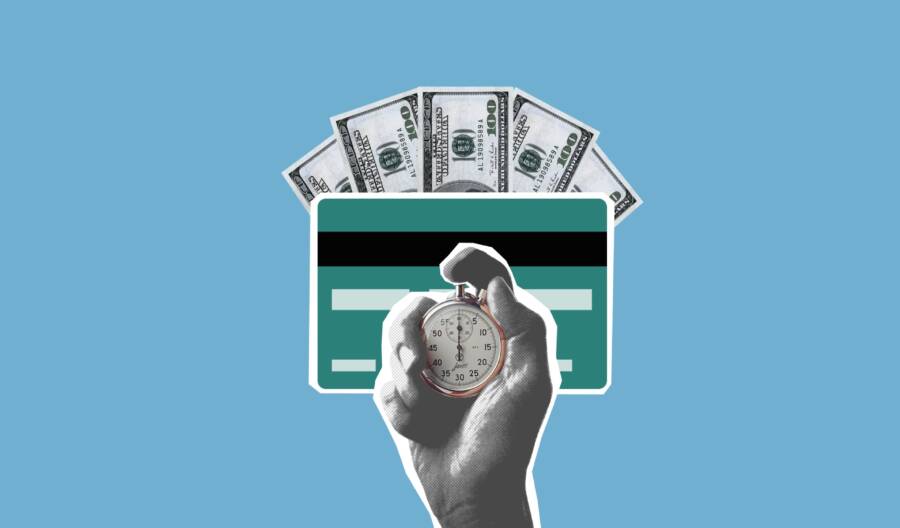
Inner space is the mental buffer between a trigger and your reaction, which prevents impulsive financial decisions. By slowing down your response, you give logic the time it needs to override emotional urges.
Building this capacity creates better long-term wealth because you trade quick fixes for intentional choices. You will stop buying things you don’t need once you master the art of pausing.
Read on to learn how to claim this space and take control of your financial future.
Why Your Mental State Controls Your Financial Outcomes
Your internal state determines how you manage money because every purchase begins as a neurological event. When your mind is cluttered with stress or distraction, your brain defaults to shortcuts. These mental shortcuts often prioritize immediate comfort over long-term stability. You end up spending to soothe anxiety rather than saving to build wealth. By understanding that your financial habits are symptoms of your current mindset, you can shift your focus from tracking expenses to monitoring your mental well-being.
Recognizing the Signs of Mental Clutter
Mental clutter acts as a fog that obscures your priorities. It shows up when you feel overwhelmed by obligations or caught in a loop of comparison. Financial anxiety often stems from this state, pushing you to make purchases that promise a sense of control or temporary status. You might feel a frantic need to buy something simply because it seems like an opportunity you cannot afford to miss. This is often driven by FOMO, which hijacks your logical decision-making process.
You can spot when your headspace is compromised by observing your physical and emotional reactions. Pay attention to these common indicators that you are not in a position to make sound financial choices:
You feel a physical tightness in your chest or shoulders when looking at your bank balance.
The desire to buy an item feels urgent, almost like a pressure that will only disappear once the transaction is complete.
You find yourself mindlessly scrolling through shopping apps or social media feeds when you feel bored or lonely.
You make justifications for a purchase that you would find unconvincing on a day when you feel calm and rested.
When you notice these signs, acknowledge that your current state is not a reliable advisor. Step away from your digital devices. Give your nervous system a chance to return to a baseline state where logic outweighs the emotional urge to spend.
The Cost of Reacting Instead of Responding
Reacting is a reflexive, high-speed process that bypasses your long-term goals. When market news flashes or a social media trend suggests you need a specific product, your brain interprets this as a threat or an invitation. You react by clicking “buy” to eliminate the discomfort of uncertainty. This cycle creates a disconnect between your daily actions and your financial objectives. Every time you react, you surrender your agency to external forces.
Responding, in contrast, requires a deliberate pause. It is the act of observing an impulse, identifying the emotion behind it, and deciding if the action aligns with your goals. A response requires you to slow down the timeframe of your decision. When you pause for even one hour, the intensity of the urge frequently fades.
Pausing gives your prefrontal cortex the necessary time to weigh the cost against your actual needs. It turns a potential mistake into a planned decision. You keep your money by choosing when and why to part with it, rather than letting external pressure dictate your behavior. By creating this space, you move away from being a passive consumer and become a purposeful guardian of your resources.
Practical Steps to Build Your Inner Space
Building inner space requires moving from reactive spending to intentional management of your resources. You construct this capacity by creating barriers that allow your logic to catch up with your emotions. These physical and mental pauses prevent quick, regretful purchases while training your brain to prioritize long-term stability over temporary satisfaction.
Implementing the Twenty-Four Hour Rule
The twenty-four hour rule is a simple boundary that protects your bank account from impulsive decisions. Whenever you feel the urge to buy a non-essential item, commit to waiting exactly one full day before finalizing the transaction. This duration is long enough for the initial spike of dopamine to subside, allowing your logical brain to regain control.
You can apply this habit effectively by following these steps:
Add the item to your digital cart or write it on a physical list.
Close the shopping app or leave the store immediately.
Set a timer or calendar reminder for 24 hours later.
Evaluate if you still desire the item after the time has passed.
Most impulsive desires lose their intensity within a few hours. By forcing this delay, you expose the difference between a genuine need and a fleeting emotional craving. If the item remains important after the waiting period, you can purchase it knowing you made a calm, informed choice. Often, you will find that you no longer care about the object, confirming that the purchase was merely an attempt to soothe a passing mood.
Daily Reflection Rituals for Wealth Growth
Reflection turns your financial choices into data rather than sources of shame. A consistent ritual allows you to review your spending patterns without judgment, identifying triggers that lead to impulsive behavior. When you examine your habits objectively, you gain the ability to adjust your future actions.
Dedicate five minutes at the end of each day or week to review your activity. Use these questions to guide your focus:
What triggered my spending decisions today?
Did my purchases align with my stated financial goals?
How did I feel before, during, and after each transaction?
What one change can I make tomorrow to improve my spending habits?
Recording these observations in a journal helps you spot recurring patterns. You might notice that you spend more when you are tired or when you feel lonely. Identifying these specific patterns is a form of power. Once you know your triggers, you can plan around them. Instead of judging yourself for past mistakes, treat this information as a map for building a more stable and intentional financial future. Over time, these reflections lower your stress, clarify your priorities, and make it easier to maintain the inner space required for wealth growth.
Comparing Approaches: Emotional Spending vs. Calculated Investing
Emotional spending and calculated investing represent two opposing ways of interacting with your money. One approach treats your bank account as a tool for immediate mood regulation, while the other treats it as an engine for future security. Recognizing the difference between these two paths is the primary requirement for anyone who wants to stop impulsive habits and start building wealth.
The Mechanics of Emotional Spending
Emotional spending occurs when you link a purchase to a temporary mental state rather than a functional need. This behavior often happens when you face stress, boredom, or the desire to keep up with social expectations. Your brain views the purchase as a quick hit of dopamine, which provides a brief sense of relief. However, this satisfaction vanishes as soon as the item arrives or the credit card bill appears.
This habit creates a cycle where you require more frequent or expensive purchases to achieve the same emotional lift. Over time, this keeps your finances in a state of constant flux. You are essentially paying a premium for a fleeting feeling, which leaves you with fewer resources to dedicate to your actual goals. When you buy for emotional reasons, you prioritize your current mood over your future self.
Principles of Calculated Investing
Calculated investing focuses on the long-term utility of your capital. Instead of looking for immediate gratification, you evaluate how a decision serves your objectives over months, years, or decades. This approach demands that you remove your current mood from the equation. You view money as a resource that must produce a return, whether that return is financial growth, time saved, or increased stability.
When you invest, you accept a lack of immediate reward because you understand the power of compound growth and strategic planning. You do not look at a price tag as a barrier to overcome, but as a piece of data to analyze against your budget. By detaching your identity and emotions from your transactions, you make choices that keep your financial plan on track.
Measuring the Long-Term Impact
The difference between these two strategies becomes visible when you look at your net worth over time. Emotional spending drains your capacity to save and invests in items that often lose their value. Calculated investing builds an asset base that increases your financial freedom.
The cost of emotional spending goes beyond the sticker price. You also pay for it with the time you lose while working to cover those impulsive purchases. In contrast, calculated investing allows you to put your money to work for you. Every dollar you keep and invest instead of spending on a whim gains the potential to earn more, creating a buffer that protects you from future financial stress.
Strategies for Shifting Your Focus
You can transition from an emotional spender to a calculated investor by changing how you process a transaction. When you feel an urge to spend, stop and ask if the item solves a problem or just masks a feeling. If you cannot justify the purchase as an investment in your future or a necessary functional tool, walk away.
Write down your primary financial goals and keep them visible near your credit cards or digital shopping apps. This serves as a reminder of what you are trading away whenever you make an impulsive purchase. Remind yourself that every dollar spent on a temporary comfort is a dollar that cannot contribute to your freedom. Consistency in this practice builds the mental muscle required to ignore impulses and stay focused on your wealth.
Common Questions About Achieving Financial Stillness
Achieving financial stillness is the process of removing emotional interference from your money management. Many people struggle with this because our culture encourages immediate consumption. When you seek a state of stillness, you prioritize long-term clarity over the quick gratification of a purchase. This practice helps you align your bank account with your actual life goals instead of fleeting desires.
Does financial stillness mean I stop spending money entirely?
No, financial stillness is not about deprivation or eliminating every non-essential purchase. It is about removing the impulsive nature of your spending. You still buy what you need and even what you enjoy, but you do it with intention. The goal is to reach a point where you buy items because they add value to your life, not because you are reacting to a temporary mood, stress, or external marketing pressure.
How do I distinguish between an impulse and a genuine need?
A genuine need typically relates to your survival, professional requirements, or long-term well-being. Impulses are often driven by emotional cues like boredom, social comparison, or fatigue. If you feel a rush of adrenaline when you consider a purchase, it is likely an impulse. If the thought of the purchase creates a sense of calm and fits within your planned budget, it is likely a functional decision. Waiting for a set period usually reveals whether a desire is a passing fancy or a real requirement.
Why does my bank balance feel stressful even when I have enough money?
Stress often stems from a lack of clarity, not just a lack of funds. When you do not have a defined plan for your money, every purchase creates a choice you are unprepared to make. You worry about whether you are spending too much or missing out on future security. By creating a budget that reflects your priorities, you reduce the mental effort needed to manage your money. This allows you to look at your balance as a tool rather than a source of anxiety.
Can I practice financial stillness if I have significant debt?
Yes, financial stillness is especially important when you manage debt. Debt often creates a cycle of reaction where you spend to cope with the pressure of what you owe. Stillness helps you slow down, assess your total financial situation, and create a sustainable plan to pay down balances. It replaces the panic of mounting debt with a steady, objective approach to resource allocation.
Is financial stillness a permanent state or a daily practice?
Financial stillness is a habit that requires daily maintenance. Markets change, personal circumstances evolve, and new temptations appear constantly. You must return to your reflection rituals regularly to keep your mindset aligned with your goals. The more you practice pausing, the easier it becomes to ignore the noise and make decisions based on your long-term plan rather than your immediate state of mind.
Conclusion
Building lasting wealth is a product of mental discipline rather than a series of perfect financial moves. You gain control when you stop reacting to momentary impulses and create the space to think clearly before spending.
Small, consistent habits like the 24-hour rule and daily reflection turn this mental buffer into a reliable system. Over time, these minor pauses compound to secure your financial future by prioritizing your long-term goals over temporary comfort.