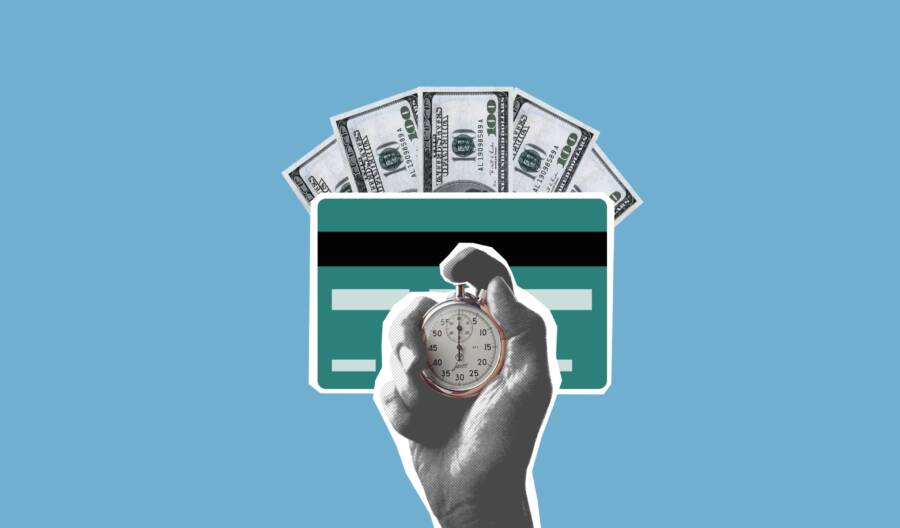
Financial friction occurs whenever a task or process makes managing your money difficult. It includes everything from hunting for forgotten passwords to manually tracking receipts or waiting for slow bank transfers.
You can remove these hurdles by building a robust financial infrastructure. This post explains how to automate your accounts and simplify your decision-making so you spend less time working for your money and more time letting your money work for you.
Why Financial Friction Costs You More Than Just Time
Financial friction describes any barrier that stands between you and your money goals. Every time a process feels clunky or a task requires manual effort, your focus shifts away from wealth creation. While many people think these minor obstacles only waste minutes, they actually cause significant long-term losses by draining your mental energy and increasing the likelihood of expensive mistakes.
The Hidden Cost of Cognitive Load
Managing money requires high-level decision making. When you face repetitive tasks like logging into multiple portals, searching for statements, or manually updating spreadsheets, you burn through cognitive resources. This phenomenon is known as decision fatigue. As your mental energy wanes, your judgment becomes poorer. You are more likely to miss a payment deadline, ignore a recurring subscription fee, or delay important investment decisions.
Over time, this brain drain prevents you from thinking about big-picture financial goals. You become stuck in a cycle of maintenance rather than growth. By removing these manual burdens, you free up your mental bandwidth to focus on strategies that actually move the needle, such as asset allocation or tax planning.
Financial Leakage Through Inefficiency
Friction creates gaps where money silently leaves your accounts. When processes are not automatic, human error becomes a major factor. Missing a payment by a single day can trigger late fees, interest penalties, and damage to your credit score. If you rely on manual memory or sticky notes to manage your obligations, you expose yourself to these avoidable costs.
Consider how these inefficiencies affect your bottom line:
Late payment fees add up quickly across credit cards and utility bills.
Forgotten subscriptions continue to charge your account monthly despite lack of use.
Inactive savings accounts earn lower interest rates compared to current market options.
Tax documents that are misplaced or disorganized lead to missed deductions or costly filing errors.
Automation acts as a safeguard against these traps. By setting up recurring transfers and bill payments, you ensure your capital moves exactly where it needs to go without requiring your constant oversight.
The Opportunity Cost of Stagnation
The most dangerous cost of financial friction is the opportunity cost of idle capital. If you leave money sitting in a low-yield checking account because you feel overwhelmed by the task of moving it to a high-yield investment vehicle, you lose out on compounding returns. Money that is not working for you is losing purchasing power every day due to inflation.
When your systems require high effort, you naturally procrastinate. This hesitation means you delay starting your retirement contributions or rebalancing your portfolio. A few weeks of procrastination might seem small, but over decades, that lost time shrinks your final nest egg significantly. Removing friction allows you to deploy capital immediately, ensuring your money works at maximum capacity from day one.
Automate Your Savings and Bill Payments to Remove Manual Effort
Automation transforms your financial life from a chore into a set-it-and-forget-it system. When you remove manual steps, you eliminate the possibility of human error, such as missing a due date or forgetting to move money to your savings. You create a system where your money moves according to your plan every single month without requiring a second thought.
Selecting the Right Banking Tools for Seamless Integration
The foundation of a reliable automated system is selecting accounts that talk to each other. You need a primary checking account that acts as a hub and a high-yield savings account that prioritizes performance. Your bank choice matters because it dictates how easily you can connect to external tracking tools.
Look for institutions that provide modern application programming interfaces (APIs) or reliable data feeds. This capability allows your bank to sync directly with software like YNAB, Monarch, or Empower. When your accounts connect, your transactions update in your budgeting software automatically. You no longer have to download spreadsheets or manually enter every grocery bill.
Your banking stack should prioritize these features:
Real-time API access: Check if the bank integrates directly with popular financial software.
Low friction transfers: Ensure the bank supports ACH transfers that move quickly between your checking and savings accounts.
Automated rules: Use accounts that let you set up recurring transfers based on specific dates or account balances.
Mobile accessibility: Choose apps that offer clean interfaces for monitoring your progress while on the move.
Focus on having a view of your entire net worth in one place. When you choose tools that communicate well, you stop chasing data across four different websites. You simply open your preferred dashboard, see every credit card balance, savings account, and investment portfolio, and identify exactly where your money stands within seconds.
The Power of a Single Financial Dashboard
Scattered accounts create unnecessary noise. When you have money spread across multiple banks, credit unions, and brokerage firms, you lose your sense of perspective. A single financial dashboard pulls every account into one view, which forces you to confront the reality of your spending and saving habits.
Aggregators allow you to normalize your data. Instead of juggling passwords for five different portals, you log into one secure interface. This visibility helps you spot recurring subscriptions you forgot to cancel or identify months where you consistently overspend in a specific category. Seeing all your obligations in one list makes it impossible to hide from your financial commitments.
You should aim to centralize your accounts to reduce this friction:
Pick one central hub: Keep your main checking account at a bank with high-quality digital features.
Link secondary accounts: Connect every credit card and investment account to your chosen aggregator software.
Establish a routine: Check this dashboard once a week to ensure your automation rules are working correctly.
This consolidated approach does more than save time. It builds confidence. Because you understand exactly how much cash is available for bills versus what is reserved for your goals, you make better decisions. You stop guessing about your remaining balance and start operating with accurate data.
Simplify Your Spending with Strategic Payment Methods
You reduce financial friction by aligning your payment methods with your specific spending goals. When you match the right tool to the right transaction, you minimize decision fatigue and prevent common budgeting errors. A strategic approach to your payment flow turns daily purchases into predictable habits.
Choose Payment Instruments by Intent
Different payment methods serve distinct purposes in your financial life. Using a debit card for every purchase often leads to fragmented tracking and minimal rewards, while relying solely on credit cards without a strict payment schedule leads to interest charges. You should categorize your spending tools based on how they impact your cash flow and your ability to track expenses.
Credit cards for fixed monthly bills: Use a single credit card for all recurring subscriptions and utility payments. This creates one clear line item on your monthly statement, which makes identifying unwanted charges simple.
Debit cards or cash for variable spending: Use these for day-to-day items like groceries or fuel. Since these draw directly from your checking account, you see the immediate impact on your available balance, which prevents overspending.
Designated accounts for large goals: Keep money intended for long-term savings in a separate, high-yield account that you do not link to any debit card or payment app. This adds a physical barrier that discourages impulsive withdrawals.
This separation of duties ensures that your money moves in predictable ways. When you know which tool to reach for, you spend less mental energy verifying if you have the funds available for a specific transaction.
Automate Your Credit Card Payments
Late fees and interest payments are the most avoidable forms of financial waste. Setting up autopay for your credit cards removes the need to remember due dates or check account balances manually before a deadline. You should configure these payments to cover the full statement balance every single month.
Partial payments are often a trap because they leave a remainder that accrues interest. By selecting the full balance option, you maintain your credit score and avoid unnecessary costs. If you worry about an accidental overdraft, set up a low-balance alert from your bank to notify you if your checking account drops below a specific threshold.
This automation creates a safety net for your credit profile. Even if you forget to review your statement one month, your system continues to function correctly without your constant intervention.
Audit Your Payment Methods Periodically
Even the best systems become cluttered over time. You should conduct a quarterly audit of every payment method linked to your accounts. This process involves reviewing stored payment details on websites, mobile apps, and browser extensions to ensure you haven’t left sensitive data in insecure places.
Remove unused payment methods from your digital wallets and shopping accounts. Each saved card represents a potential entry point for unauthorized charges or forgotten subscriptions. When you limit your digital footprint, you improve your security and make your monthly reconciliation process much faster.
If you find multiple cards saved on a single site, delete the ones you no longer use regularly. Keep your list of active payment channels small so you always know exactly where each transaction originates. This level of intentionality keeps your finances clean and prevents the small, recurring charges that often go unnoticed in larger account statements.
Building a Low Friction Maintenance Routine
A sustainable maintenance routine minimizes the time you spend managing your money while keeping your financial life organized. You succeed by creating a repeatable process that requires minimal decision-making. Instead of waiting for a crisis, you set specific dates to monitor your accounts and verify that your automated systems function as intended.
Schedule a Monthly Financial Check-in
Choose a fixed time each month to review your accounts, perhaps on the first Saturday or following your payday. This habit prevents small issues from becoming larger problems. During this session, you verify that automated transfers occurred and your credit card payments processed correctly.
You should keep this session under thirty minutes. Start by checking your central dashboard to confirm that your income matches your expectations and your bills show as paid. If you notice a discrepancy, investigate it immediately. Consistency turns this task into a non-negotiable habit that keeps your finances on track.
Manage Recurring Subscriptions
Unused subscriptions represent a common form of financial waste that saps your monthly cash flow. You can use a digital audit to identify these charges once every three months. Create a simple list or spreadsheet to track each service, its cost, and the date it renews.
Consider these actions to keep your recurring costs under control:
Cancel services you have not used in the past thirty days.
Look for annual billing options if the service saves you money over the long term.
Set a calendar reminder two days before a trial period expires so you can cancel without getting charged.
Managing these items prevents price creep where small costs accumulate into significant monthly losses. When you track every service intentionally, you retain more control over your discretionary spending.
Reconcile Assets and Debt
Periodic reconciliation ensures your records match your bank statements. This involves logging into your primary dashboard to confirm your current debt balances and investment values. If you use budgeting software, ensure that every transaction is categorized correctly so your spending data remains accurate.
Use this checklist to maintain your data integrity:
Confirm that all transaction categories are accurate in your software.
Verify that your total debt matches your loan or credit card statements.
Compare your current savings balance against your target goals.
Correcting errors promptly keeps your financial strategy aligned with your long-term objectives. You gain a clear picture of your progress, which removes the doubt that often leads to poor financial choices.
Periodic System Reviews
Every six months, take time to evaluate whether your current financial tools still serve your needs. Banking features change, and your income or financial goals might evolve. Ask yourself if your accounts continue to provide the efficiency you require. If a bank increases its fees or removes a feature you rely on, you should consider switching to a better alternative.
This review keeps your infrastructure lean and effective. By removing outdated accounts or replacing clunky tools, you prevent the accumulation of unnecessary complexity. Financial health depends on keeping your systems simple enough to manage with minimal effort.
Conclusion
Financial health depends on three pillars: automation, consolidation, and routine. Automation removes the daily burden of manual transfers and payments. Consolidation provides a single dashboard to view your progress. A regular maintenance routine ensures your systems remain accurate over time.
You gain back hours of your week by replacing manual effort with these digital safeguards. This clarity allows you to stop worrying about day-to-day administrative tasks and focus on your long-term wealth goals. Consistency is the primary driver of success because it prevents small errors from compounding into financial loss. Your money works best when your system requires the least amount of intervention.