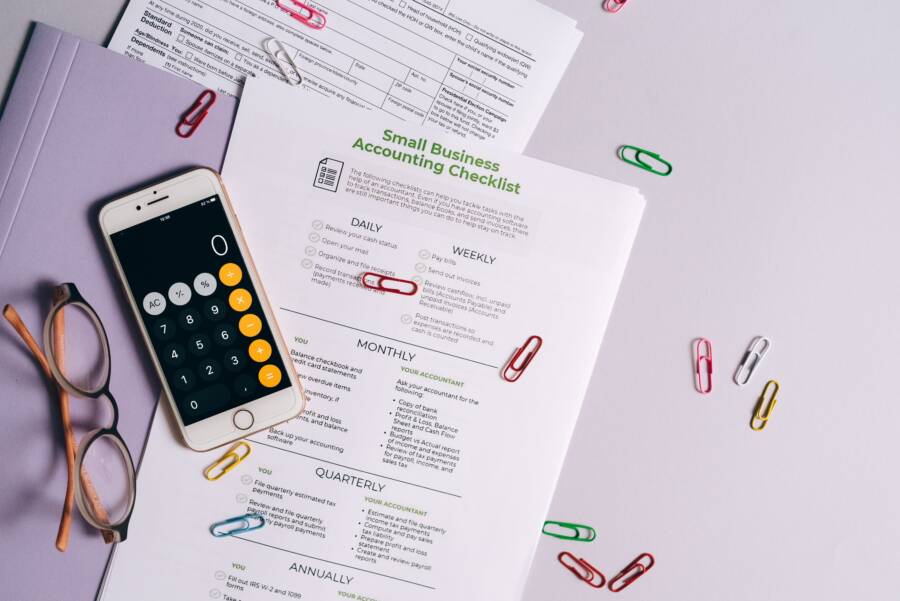
Financial chaos ends when you shift your focus from tracking every penny to building consistent, intentional habits. You move from stress to clarity by accepting that your money situation is a reflection of your choices, not just your income.
Financial stress is a cycle of reacting to emergencies, whereas financial clarity is the confidence that comes from knowing exactly where your resources go each month. This transformation doesn’t require extreme sacrifice or massive windfalls; it starts with small, daily decisions that align your spending with your actual goals.
The following steps outline how to organize your cash flow and secure your financial future through simple, repeatable actions.
Why Financial Chaos Happens and How to Stop It
Financial disorder stems from a lack of visibility into your daily habits rather than a lack of intelligence or discipline. Most people experience tension because they treat money as an abstract number in their bank account instead of a tool with a specific job. When you stop monitoring the flow of cash, you lose the ability to make intentional decisions. This creates a cycle where you react to bills as they arrive instead of planning for your long-term goals. Understanding the triggers behind this confusion allows you to regain control through simple, objective steps.
Identifying the Root Causes of Money Stress
Financial mess typically grows from three specific areas that create invisible friction in your life. Lifestyle creep is the most common factor, as your spending habits adjust upward whenever your income increases. You likely fail to notice these incremental costs, but they consume the extra money you could use for savings or debt reduction. Without a dedicated emergency fund, any unexpected expense becomes a crisis. A broken appliance or a car repair forces you to rely on credit cards, which keeps you in a state of constant recovery.
Managing multiple accounts also hides the true state of your finances. When your money is scattered across different checking accounts, savings buckets, and investment platforms, you lose the ability to see your net worth at a glance. You might feel broke because your primary checking account is low, even if you hold significant funds elsewhere. This fragmentation makes it difficult to track your progress toward goals. View these challenges as logistical problems rather than personal failings. You can solve them by consolidating your view and automating your contributions to savings, which removes the need for constant manual monitoring.
The First Step Toward Financial Clarity
A financial inventory acts as the diagnostic tool for your entire money situation. You cannot manage what you do not see, so the first step requires gathering every detail of your current standing. Dedicate one hour to list every debt, account balance, and recurring expense you currently have. This process is uncomfortable for most people, yet it is the only way to establish a baseline. Without this clear starting point, you are effectively driving without a map.
Collect the following items to build your summary:
A list of all credit card balances, personal loans, and student debt with their current interest rates.
The exact amount of money in your checking, savings, and retirement accounts.
A breakdown of your fixed monthly expenses like rent or mortgage, insurance, and utility bills.
An estimate of your variable spending on groceries, dining, and subscriptions over the last three months.
Once you organize this data, you gain immediate perspective on your cash flow. You will likely find specific areas where your spending does not align with your stated priorities. This is the moment where chaos ends and the strategy begins. You now possess a roadmap that highlights where to cut expenses and how to allocate your income toward your most important goals. Clear records remove the emotional weight of uncertainty and replace it with a logical plan for your future.
Building a Simple System for Your Daily Finances
Building a financial system is not about complex spreadsheets or rigorous accounting. It is about creating a predictable environment where your money moves toward your goals without constant intervention. You need a setup that works in the background so you can spend your mental energy on life rather than tracking expenses. When you remove the need for daily decision-making, you eliminate the primary cause of financial anxiety.
Automating Your Way to Peace of Mind
Automation is the most effective way to prevent impulsive spending and ensure you pay your bills on time. When you set up recurring transfers, your savings goals become a fixed expense rather than an optional leftover at the end of the month. Most banks allow you to schedule automatic transfers for the day your paycheck arrives. By moving money into your savings or investment accounts immediately, you adjust your lifestyle to live on the remaining balance.
You should also automate your fixed costs. Most utility companies, mortgage lenders, and subscription services offer autopay options. This removes the risk of late fees and the need to remember due dates.
Automation reduces your cognitive load because it converts abstract intentions into fixed reality:
Determine your monthly surplus by subtracting fixed expenses from your net income.
Schedule a transfer to your savings account for the day after your payday.
Configure autopay for all recurring bills to trigger 48 hours before the deadline.
Keep a small buffer in your checking account to account for minor timing variances.
Once these systems run, your only responsibility is to check your account balance occasionally to ensure everything functions as planned. This shift moves you from a reactive state, where you scramble to pay bills, to a proactive state where your money works for you.
Choosing the Right Tools for Your Needs
The best financial tool is the one you actually use. People have different temperaments regarding money; some prefer visual snapshots while others want granular data. You do not need expensive software to gain control over your cash flow. The right system matches your natural habits.
Consider these three approaches to choose the best fit for your personality:
Mobile applications are ideal if you want real-time updates and low effort. Many apps sync with your bank accounts to categorize transactions automatically. Choose this if you prefer a high-level view and minimal manual entry.
Spreadsheets work best if you enjoy detail and want complete control over your data. A simple sheet allows you to track specific spending trends over time. This approach is superior for those who want to build custom reports or adjust categories to fit their unique lifestyle.
Pen and paper provide a tactile experience that forces you to acknowledge every expense. Writing down your spending helps many people develop a stronger connection to their money. This method is effective if you find digital apps too impersonal or distracting.
If you struggle with consistency, start with the simplest method available. You can always increase the complexity of your system as you gain confidence and discipline. The goal is to establish a habit that sticks. Whether you use a high-end application or a notebook, the value comes from the consistency of your routine, not the sophistication of the technology.
Practical Methods for Tracking and Managing Spending
You gain control over your finances when you treat spending data as a reliable feedback loop. Tracking provides the objective evidence you need to confirm whether your money supports your priorities or leaks into areas you ignore. Choose a method that removes friction, as the most effective system is one you consistently maintain.
The Envelope Method for Categorical Control
The envelope method is a physical system that caps your spending in specific categories. You allocate a set amount of cash for expenses like groceries, dining out, or entertainment at the beginning of the month. Once the cash in a specific envelope disappears, you stop spending in that category until the next month begins. This creates a hard stop for discretionary costs and removes the temptation to overspend using a credit card.
Digital versions of this strategy exist for those who prefer electronic transactions. You can open multiple sub-savings accounts or use banking apps that allow you to set spending limits for specific buckets. Each transaction deducts from your designated total, which provides an immediate signal when you approach your limit. This method works well if you struggle with impulse purchases because it forces you to acknowledge the cost of every decision before you swipe your card.
The Three-Month Review Cycle
Tracking your spending becomes more powerful when you zoom out to look at longer timeframes. Review your transaction history every three months to identify patterns that stay hidden during weekly check-ins. You might discover that a specific subscription you rarely use has drained a significant amount over ninety days. Use this time to reconcile your actual spending against your initial goals.
Gather your bank statements or app reports to perform this audit. Focus on these three areas during your review:
Identify recurring charges for services you no longer use or value.
Check if your spending in variable categories like food or hobbies has drifted upward without a clear reason.
Compare your total savings contributions to your original plan to see if you met your targets.
Adjust your budget or your behavior based on what the data shows. This quarterly rhythm prevents long-term drift and keeps your habits aligned with your financial trajectory.
Balancing Manual Entry with Bank Integration
You must decide whether you prefer a high-touch or a low-touch system. Manual entry requires you to log every purchase in a spreadsheet or notebook. This approach forces you to pause and record the cost, which builds awareness about where your money goes. It is the best choice if you feel detached from your spending and need a way to build better habits.
Bank integration, however, automates the process by pulling data directly from your accounts into a central dashboard. This saves time and provides a comprehensive view of your finances without the administrative burden. Most users find success by combining both methods. You can use an app to track your daily totals automatically while performing a weekly manual review of specific large purchases. This hybrid approach offers the convenience of technology without losing the conscious focus required to manage your money well.
Shifting Your Money Mindset for Long-Term Order
Financial stability depends more on your perspective than your current bank balance. When you view money as a tool for planning rather than a source of anxiety, you change your decision-making process. This shift requires accepting that expenses occur outside your control. Instead of viewing these events as personal failures, you accept them as standard parts of life. By anticipating change, you maintain your progress even when circumstances fluctuate.
Dealing with Unexpected Costs Without Ruining Your Progress
An emergency fund is a pool of cash set aside for unforeseen events. This account acts as a barrier between your long-term goals and sudden financial shocks. Without it, a single car repair or medical bill forces you to stop saving or accumulate high-interest debt. You prioritize building this fund first because it provides the security needed to execute your larger financial plan. When life creates chaos, your fund absorbs the impact so your daily operations continue without interruption.
Aim to accumulate at least three to six months of essential living expenses. You build this amount by treating the transfer as a non-negotiable monthly bill. If your budget is tight, start small by setting aside a specific amount from every paycheck. Focus on the following methods to establish and protect your buffer:
Keep your emergency fund in a separate high-yield savings account to prevent easy access for daily spending.
Automate a monthly transfer to this account so the balance grows without constant manual effort.
Revisit the fund size whenever your cost of living changes to ensure it covers your current needs.
Replace any funds you withdraw as soon as the emergency passes to restore your protective layer.
Think of your emergency fund as insurance for your peace of mind. When you encounter a surprise expense, you pay from this designated account rather than pulling money from your retirement or investment goals. This separation keeps your long-term strategy intact. Once you achieve this baseline of safety, you regain the confidence to pursue growth, knowing that minor setbacks no longer threaten your overall stability.
Conclusion
Managing your money effectively relies on simple habits rather than complex financial maneuvers. Start by identifying your current baseline, automate your savings and bill payments to remove decision fatigue, and track your spending to keep your habits aligned with your goals.
Maintain a long-term perspective by keeping an emergency fund that protects your progress from unexpected life events. When you establish order in your finances, you stop reacting to daily pressures and start directing your resources toward the things that matter most.
True personal freedom comes when your money serves your life goals instead of consuming your mental energy. You now have the roadmap to build this stability one consistent step at a time.