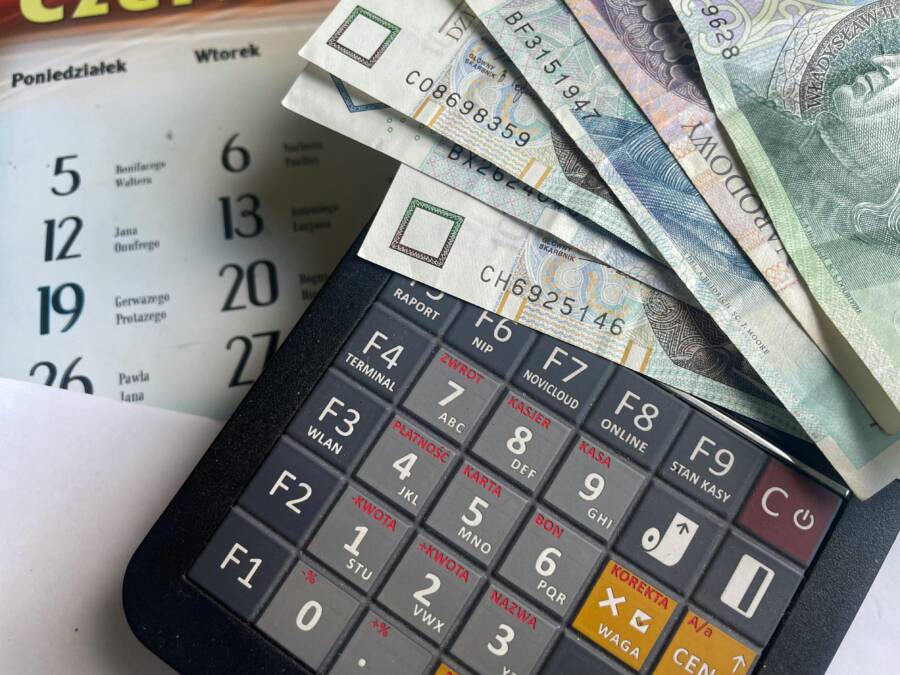
Regular financial check-ins act as an early warning system because they force you to confront small leaks before they drain your accounts. Ignoring a forgotten subscription or a minor recurring fee seems harmless today, but these costs stack up into significant debt over time.
By reviewing your habits every month, you catch errors and identify waste while they remain manageable. You shift your money management from a reactive state, where you handle crises, to a steady, controlled routine. This practice keeps your long-term goals within reach by removing the hidden friction that slows down your progress.
How Ignoring Your Finances Leads to Bigger Problems
Financial neglect acts like a slow leak in a tire. You might drive for days without noticing the change in pressure, but the tire eventually fails when you need it most. Small money mistakes rarely cause immediate collapse, yet they build a wall between you and your long-term wealth goals. By avoiding your accounts, you grant these silent drainers permission to multiply.
The Hidden Cost of Small Financial Leaks
Tiny expenses appear insignificant when they hit your bank account individually. Many people lose hundreds of dollars annually because they stop tracking recurring charges. This trend, often called subscription overlap, happens when you sign up for multiple streaming services or apps and forget to cancel unused accounts. Over time, these monthly payments drain your cash flow without providing real value.
Bank fees contribute another layer to this problem. You might overlook a monthly maintenance charge or a recurring overdraft fee because the amounts seem small. However, paying ten dollars every month adds up to over one hundred dollars per year. Inflation also plays a quiet role here. When prices for groceries or fuel rise, your fixed budget loses its power if you don’t adjust your spending habits.
These costs stop your money from working for you through compound interest. When you lose money to unnecessary fees, you lose the opportunity to invest that cash in assets that grow over time. Monitoring these leaks monthly allows you to plug the holes before they significantly shrink your net worth.
When Small Habits Become Permanent Debt Traps
Minor oversights transition into major obstacles when they become automatic patterns. You might start by missing a single credit card payment because you forgot the due date. This one-time mistake often results in a late fee and an interest charge. If you don’t adjust your tracking process, this lapse turns into a standard behavior.
Habitual late payments damage your credit score. A lower score makes it harder to borrow money at reasonable rates for housing or transportation. You then pay more in interest on every loan you take out later. This cycle creates a financial burden that limits your flexibility for years.
Many people also normalize living above their means. They use credit cards to cover small gaps between paychecks, believing they will catch up later. This pattern shifts from a temporary convenience to a permanent reliance on debt. Once you view debt as a normal part of your cash flow, you stop looking for ways to reduce it. Monthly check-ins interrupt this cycle. They force you to acknowledge where your money goes and stop small habits from growing into long-term financial traps.
Building Your Routine for Effective Financial Clarity
Financial clarity comes from consistent habits rather than complex systems. You establish control by creating a predictable rhythm for checking your money. When you turn your financial review into a standard monthly task, you remove the stress of surprise expenses. This routine transforms your bank accounts from sources of anxiety into tools for achieving your goals.
Tools and Templates for Easier Tracking
You do not need expensive software to manage your money effectively. The best tracking method is the one you actually use. Start by choosing a format that feels intuitive to your daily habits. Some people prefer the visual layout of a spreadsheet, while others find mobile apps helpful for logging expenses on the go.
If you enjoy building your own structure, a simple spreadsheet works well. You can create columns for your income, fixed expenses, and variable spending. This setup allows you to see exactly where your money goes each month. You can also add a tab for your savings goals to track your progress over time.
Mobile apps offer a different approach by syncing directly with your bank accounts. These tools categorize your transactions automatically, which saves time if you struggle with manual entry. Many apps also send alerts when you exceed your budget in a specific category.
Focus on these three elements to keep your tracking simple:
- Use one central location for all your financial data to avoid missing details.
- Log your expenses once a week to prevent a large pileup at the end of the month.
- Keep your categories broad to avoid spending too much time on minute transaction labels.
Consistency matters more than the specific platform you choose. You might start with a notepad or a basic app. The goal is to build a habit of looking at your numbers frequently. Once you remove the friction from the process, you gain a clear view of your financial health.
How to Conduct Your Monthly Review Session
A 30-minute monthly review session provides enough time to assess your status and adjust your plans. Pick a quiet time, such as a weekend morning, when you feel calm and focused. Treat this meeting as a serious appointment with yourself.
Start by reviewing the past month of spending. Compare your actual expenses against the budget you set. Identify categories where you overspent and determine if the costs were necessary or if you need to adjust your habits. This look-back phase highlights patterns that caused problems during the previous four weeks.
Next, plan your goals for the upcoming month. Decide how much you want to save or pay toward debt. If you expect irregular expenses like car maintenance or gifts, allocate money for those items now. Giving every dollar a job before the month starts reduces the likelihood of impulsive spending.
Finally, check your net worth. Add up your total assets and subtract your total liabilities. You do not need to track every cent, but watching the total move in the right direction provides motivation. This step confirms that your short-term spending choices align with your long-term wealth goals.
This 30-minute session anchors your financial life. When you know your numbers, you make decisions from a position of strength. You stop guessing about what you can afford and start directing your resources toward the things that matter most to you.
Turning Insights Into Better Financial Decisions
You turn data into wealth by changing your behavior based on what your monthly review reveals. Reviewing your bank statements is useless if you don’t use those findings to modify your future spending. Once you spot a problem, create a concrete plan to resolve it before the next billing cycle begins.
Creating Actionable Plans from Spending Data
The most effective way to improve your finances is to identify high-frequency spending triggers. When you notice you spend too much on food delivery, set a specific weekly limit for dining out. You then reduce your budget for that category in your banking app or spreadsheet. This simple adjustment forces you to cook at home more often instead of relying on expensive services.
If you find multiple subscription charges for services you no longer use, cancel them immediately. Do not wait for a more convenient time to handle these tasks. Check your email receipts for forgotten annual renewals that often cause surprise debits. Making these small, immediate changes prevents money from leaking out of your accounts for services you do not value.
Adjusting Your Budget for Changing Costs
Your budget is not a static document. Life events, price increases, and changes in income require you to update your financial plan regularly. If your grocery bill rises due to inflation, look for other areas to decrease spending to maintain your total savings goal. You might reduce your entertainment budget to cover the higher cost of essential items.
Flexibility is a major asset in personal finance. Use your monthly review to see if your current spending limits are realistic for your lifestyle. If you consistently exceed your limit in one category, increase that allotment while finding an equal reduction elsewhere. Balancing your budget keeps you from feeling deprived while you work toward your long-term goals.
Linking Daily Choices to Long-Term Wealth
Every small purchase is a trade-off between current satisfaction and future security. When you see your monthly totals, evaluate whether your spending aligns with your values. For example, spending less on coffee allows you to invest that money in a retirement account. Seeing your investments grow serves as a powerful motivator to maintain your new habits.
Use this simple table to track your progress and adjust your focus areas:
Consistency builds wealth over time. When you use your monthly insights to refine your daily choices, you stop reacting to financial surprises. You begin to direct your money with intention, which is the fastest way to build a stable financial future.
Common Hurdles to Staying Consistent
Staying consistent with your money requires more than willpower; it requires removing common friction points. Many people fail to keep a monthly routine because they mistake the process for a complex chore. When you view your finances as an intimidating project, you naturally put it off. Making your check-ins simple, brief, and predictable helps you stay on track despite a busy schedule.
Overcoming the Perfectionism Trap
Perfectionism creates a massive barrier to financial consistency. You might feel that if you cannot categorize every transaction perfectly or account for every cent, then the entire exercise is a failure. This binary thinking leads to total avoidance. You do not need an accountant level of precision to gain clarity. Even a rough estimate of your spending provides more value than ignoring your statements completely.
If you miss a week of tracking, just start fresh. Do not let one week of chaos derail your entire monthly plan. Simply look at your bank balance and recent transactions to identify where you stand. A rough snapshot is a effective tool for making adjustments. You gain more control by acting on imperfect data than by waiting for perfect records that never arrive.
Managing Decision Fatigue
Decision fatigue makes it hard to manage money after a long workday. You likely make hundreds of choices before you even sit down to look at your accounts. Because reviewing expenses requires mental energy, you often delay the task until you feel tired or stressed. This creates a cycle where you avoid the very information you need to lower your stress.
Schedule your review sessions during your most energized hours. For many, a weekend morning works better than a late Friday night. You can also minimize effort by automating your bill payments and using digital tools that sync your account data. Reducing the number of manual steps you must take keeps your momentum high. When you lower the barrier to entry, you find it easier to show up for your money every month.
Dealing with Irregular Income and Expenses
Irregular income patterns often complicate monthly reviews. If your paycheck changes, you might struggle to stick to a fixed budget. This variance makes it feel like your plans are useless. However, you can manage this by focusing on your total cash flow rather than a static weekly number.
Create a buffer account to smooth out the months where your income drops. Direct your extra earnings during high-income months into this reserve. You can then pull from this fund when your income is lower. This approach removes the anxiety of a fluctuating paycheck. Treat irregular expenses, like annual insurance premiums or car registration, as monthly obligations by setting aside a small fraction of the total cost every month. This practice turns unpredictable hits into expected line items.
Conclusion
Financial clarity relies on consistency rather than perfect records. You do not need complex math or flawless behavior to see results. You only need to check your accounts regularly to stop small leaks before they grow into large debts.
This habit builds lasting peace of mind because you remain in control of your resources. Every monthly session moves you closer to your long-term wealth goals by aligning your daily choices with your actual values. Small, steady efforts yield the best financial outcomes over time.