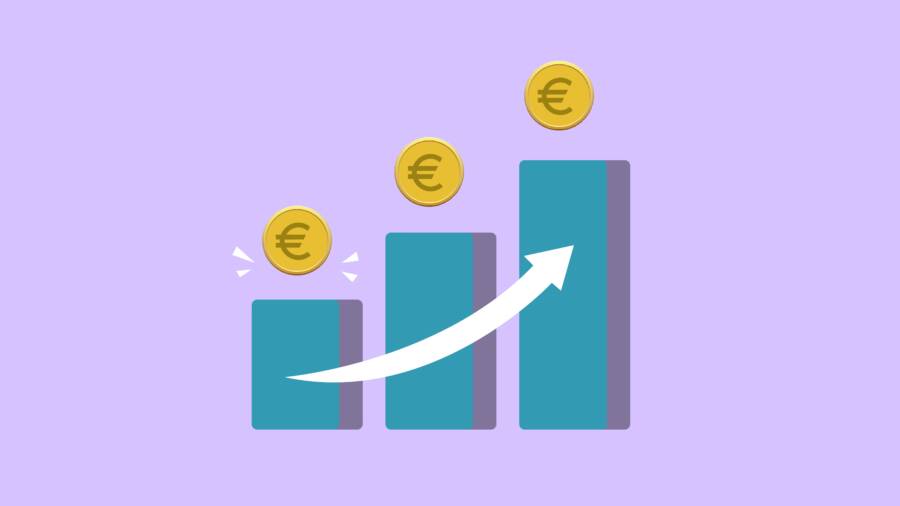
Thinking in terms of long-term gain means you intentionally delay instant rewards to build lasting wealth. It represents a conscious shift from impulsive spending to consistent, strategic investing.
This mindset is the true foundation of financial freedom. By prioritizing your future self over immediate desires, you gain the power to grow your capital over time.
You can start preparing your financial path today by adopting a few practical habits.
Why Your Brain Prefers Instant Gratification
Your brain is wired to choose immediate rewards over future gains. This tendency is a biological default that often conflicts with your financial goals. You likely feel the pull of instant satisfaction when you see a new product, a sale, or an opportunity to spend money on something fun right now. Understanding this biological tension is the first step toward building real wealth.
The Evolutionary Trap of Short-Term Thinking
Early humans lived in environments where food and safety were scarce and unpredictable. They survived by consuming available calories immediately and avoiding risks that offered no clear, immediate benefit. This survival mechanism rewarded those who acted quickly when resources appeared. Saving for the distant future was not a viable strategy when you faced starvation or predators daily.
Modern life is different, but your brain remains stuck in that survival mode. You now live in a society with abundant food, climate control, and digital entertainment. Despite these changes, your neural pathways still push you to seek quick hits of dopamine. When you choose a short-term purchase, your brain treats it like finding an extra piece of fruit in the forest. You get a brief surge of happiness, but your long-term financial security suffers.
Identifying Your Financial Blind Spots
Financial blind spots occur when you react to emotional triggers instead of your long-term plan. These triggers bypass your logic and lead you toward impulsive habits. You can improve your results by spotting these moments before you spend money.
Common triggers that sabotage your financial growth include:
Retail therapy where you shop to improve your mood or relieve stress.
Social pressure from friends or media that sets unrealistic expectations for your lifestyle.
Emotional spending during times of boredom, loneliness, or frustration.
Tracking your spending helps you identify your specific patterns. If you notice a trend, you can create barriers. For example, remove your credit card information from online stores or wait 48 hours before making non-essential purchases. These steps give your logical brain time to catch up with your emotions. By identifying these traps, you move from reacting to your impulses toward making choices that support your future wealth.
How to Build Wealth by Changing Your Mindset
Building wealth requires more than a high income. It demands a shift in how you view time and money. When you focus on long-term gain, you stop chasing short-term rewards that provide fleeting satisfaction. You replace impulse with strategy, allowing your financial foundation to grow steadily over the years. This mindset adjustment is the difference between struggling to keep up with expenses and creating a path toward genuine financial independence.
The Power of Compound Interest Over Time
Compound interest is the most effective tool for wealth creation because it turns small, consistent savings into significant sums. You earn returns on your initial investment and then on the accumulated interest. This cycle creates an exponential curve that benefits those who start early. The longer your money remains invested, the faster it grows.
Consider two people who both start saving at age 25:
Person A saves 200 dollars each month for ten years and then stops.
Person B waits until age 35 to save 200 dollars each month, but they continue for 30 years.
Even though Person B saves for three times as long, Person A often ends up with more money. This happens because the initial contributions had an extra decade to compound. If you spend that 200 dollars on impulsive purchases today, you lose the opportunity for that money to double or triple over the next few decades. Small choices made consistently during your twenties or thirties have a massive effect on your retirement balance. Prioritizing future growth over immediate consumption is the most reliable way to build a large nest egg.
Moving from Consumer to Investor
Most people default to a consumer mindset. They trade their hard-earned money for goods that lose value the moment they leave the store. Clothes, electronics, and vehicles often fall into this category. While these items offer utility or enjoyment, they do not produce income or appreciate in value. You are effectively paying for the privilege of owning items that require further maintenance or eventually end up in the trash.
An investor thinks differently. Investors prioritize assets that generate cash flow or increase in market value. When you buy stocks, real estate, or business interests, you purchase a piece of a productive entity. These assets work to earn more money while you focus on other tasks.
Transitioning toward an investor mindset involves a few simple steps:
Review your recent spending to identify items that provide no long-term benefit.
Allocate a portion of your monthly income to index funds or other income-producing assets before paying for non-essential goods.
Reinvest the returns from your assets to fuel further growth rather than cashing them out for lifestyle upgrades.
Choosing assets over consumption changes your financial trajectory. You stop working solely for money and start building a system where your money works for you. Every dollar you invest acts as a silent employee that never tires and never asks for a raise. Over time, these investments cover your living expenses and provide the freedom to control your own time.
Practical Steps for Long-Term Financial Planning
Achieving financial independence requires a shift from reactive spending to a structured, intentional approach. You move toward your targets by managing your resources with the same care a business owner uses to grow a company. Long-term planning is not about deprivation; it is about allocating your limited capital to assets that produce the most future value. By applying specific, repeatable steps, you turn abstract goals into a realistic roadmap.
Setting Clear Milestones for Success
Large financial objectives often feel distant and unattainable. When you look at a goal like saving for a 20-year retirement, your brain struggles to connect daily sacrifices to that outcome. Breaking these broad targets into smaller, monthly or quarterly milestones makes the progress visible. You gain immediate feedback on your performance, which keeps your motivation high as you work toward the future.
Manage your progress by using a tiered approach to goal setting:
Create a primary annual goal, such as maxing out a specific investment account.
Divide that annual figure into monthly contribution targets.
Review your progress every three months to verify that you remain on track.
Small wins provide the momentum needed to stay disciplined. When you hit a monthly milestone, you see the direct result of your planning. This process removes the feeling of being overwhelmed because you only focus on the immediate, actionable step. If you miss a target, you simply adjust your plan for the next period instead of abandoning the entire effort. Success becomes a series of small, manageable victories rather than one impossible climb.
Managing Daily Expenses for Future Growth
Your daily spending habits act as the primary constraint on your wealth-building capacity. Most people trade their future income for temporary goods because they do not track where their money goes. Auditing your expenses reveals the difference between essential living costs and discretionary spending that offers no long-term utility. You gain more control over your financial future when you consciously redirect these funds into growth-oriented assets.
Begin your audit by listing every recurring expense from the last 90 days. Group these costs into fixed necessities, like housing and insurance, and variable spending, such as dining out or digital subscriptions. Look for patterns where small, frequent purchases accumulate into large monthly totals.
Consider these common areas to find reallocatable capital:
Redirecting even a small portion of this spending toward high-yield savings or investment accounts shifts your financial balance. For example, moving 100 dollars a month from convenience purchases into an index fund provides a meaningful base for long-term growth. Every dollar you keep today remains available to work for you tomorrow. You stop treating your income as a source of instant consumption and start treating it as the raw material for your future independence.
Comparing Immediate Wins Versus Lasting Wealth
Immediate wins provide a quick surge of satisfaction, but they often derail your financial stability. Lasting wealth relies on delayed gratification and consistent action. You must choose between the comfort of today and the freedom of tomorrow.
The Psychology of Immediate Wins
Small purchases offer an instant dopamine hit. You buy a new gadget or order a expensive meal, and your brain signals pleasure. This response is quick and easy. However, it lacks depth. These wins evaporate the moment the purchase loses its novelty. You soon return to your previous baseline of desire. Chasing these moments creates a cycle of spending that prevents real growth. Your bank account stays flat because the money flows out as fast as it comes in.
The Mechanics of Lasting Wealth
Lasting wealth is different. It is boring, slow, and requires patience. You invest money into assets that grow over decades. This process does not offer a quick thrill. Instead, it provides security and independence. You trade today’s extra spending for tomorrow’s options. A dollar saved today is worth far more in the future because of the time it spends growing. True wealth is not about what you buy; it is about what you keep and how that money works for you.
Comparing Financial Outcomes
The gap between these two approaches grows over time. A small amount of money has a different impact depending on how you use it.
Your choices define your future reality. If you prioritize status and convenience now, your later years will require harder work. If you build assets now, you create a system that supports you later.
Steps to Shift Your Focus
You can begin prioritizing long-term value today by changing your daily habits. Start by evaluating every purchase that costs more than a specific threshold, such as 50 dollars. Ask yourself if the item provides lasting utility or just a temporary feeling. If it does not contribute to your long-term goals, skip it. Automate your savings and investments before you have a chance to spend the money. When you remove the decision-making process from your daily routine, you avoid the temptation of the immediate win. Focus on building a portfolio that grows even when you are not paying attention. Your future self will appreciate the discipline you maintain today.
Common Questions About Long-Term Gain
Many people ask how to reconcile immediate life needs with long-term financial goals. Balancing current enjoyment with future stability is a common point of confusion. This section addresses these practical concerns to help you maintain a clear perspective on your wealth-building path.
Can I still spend money on things I enjoy today?
Yes, you can. Long-term planning does not require total deprivation or a joyless existence. It focuses on intentionality rather than restriction. You should identify spending that provides genuine satisfaction and trim expenses that offer little value. If a daily coffee brings you real joy, keep it in your budget. If you find yourself buying items out of habit or social pressure, redirect that capital into your investments instead.
How do I handle unexpected expenses while saving long term?
Unexpected costs are a reality for everyone. You should build an emergency fund before you focus on aggressive long-term investing. This cash reserve provides a buffer, so you don’t have to pull money from your investment accounts during a downturn. Aim to keep three to six months of living expenses in a liquid savings account. This security allows you to leave your investments alone to grow.
Is it too late to start if I am older?
It is never too late to begin focusing on long-term gain. While starting early provides more time for compound interest to work, the second best time to start is today. Your contributions and asset allocation choices matter regardless of your age. Focus on maximizing your savings rate and choosing assets that align with your timeline. Every dollar you invest today still has the potential to grow and support your future independence.
Should I pay off debt or invest first?
This decision depends on the interest rate of your debt. If you have high-interest debt, such as credit card balances, pay those off before you invest extra money. The interest you pay on debt often exceeds the returns you earn from typical investments. However, if you have low-interest debt, such as a fixed-rate mortgage, you might benefit more by investing your excess cash. Compare your debt interest rate against the expected average return of your investment portfolio to make the best choice.
How often should I check my investment performance?
Checking your accounts daily can lead to emotional reactions and impulsive decisions. Frequent monitoring invites stress during market volatility. Review your accounts quarterly or annually to ensure your asset allocation still matches your original plan. This distance helps you stay focused on your long-term objectives instead of daily fluctuations. Set your contributions to automate, and then let your investments operate in the background.
Conclusion
Building wealth is a habit that you learn through practice rather than a fixed personality trait. You possess the power to override your biological impulse for instant gratification by prioritizing future goals. Each small, intentional choice to save or invest rather than spend creates a compounding effect that builds your long-term security.
Refine your financial habits by auditing your expenses and automating your savings today. Pick one area where you can redirect money toward your future independence. Your journey toward lasting wealth begins with the next decision you make.