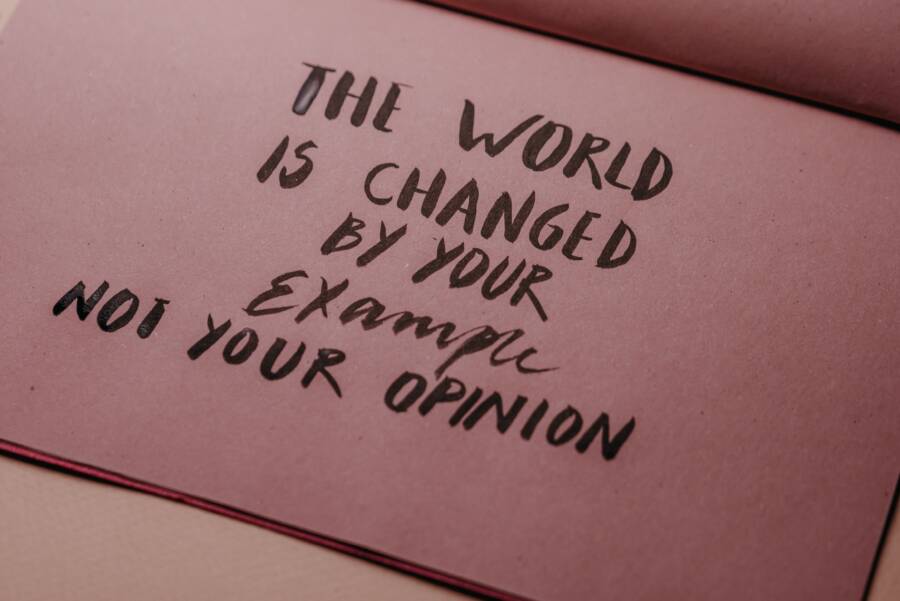
A legacy mindset is the habit of making financial and life choices today that provide value for future generations rather than seeking immediate gratification. It marks a shift from mindless consumerism to intentional stewardship.
You choose to prioritize long-term stability over temporary trends. This approach changes how you view money and personal assets. By focusing on lasting impact, you build a foundation that supports your family and community for years.
Understanding how to adopt this perspective helps you align your current spending with your future goals.
Why Moving Beyond Short-Term Thinking Matters
Short-term thinking traps you in a cycle of immediate gratification that erodes your long-term financial health. When you focus only on the next paycheck or the newest purchase, you ignore the cumulative power of compounding interest and asset growth. Moving past this mindset allows you to prioritize decisions that benefit your future self and your family.
The Cost of Immediate Gratification
Constant consumption prevents you from building a solid foundation. Every dollar spent on a temporary trend is a dollar that cannot grow through investments or property. Over several decades, these small, impulsive choices add up to significant losses in potential wealth.
You trade long-term security for short-lived pleasure when you prioritize current comfort. This behavior limits your ability to weather economic downturns or unexpected life changes. A legacy mindset reverses this by treating your resources as tools for future production rather than just vehicles for current spending.
Aligning Choices with Future Outcomes
Building a legacy requires you to weigh every purchase against your long-term objectives. You should ask whether a specific asset supports your vision for your family or simply consumes your resources. This practice creates a filter for your spending habits.
Focusing on future outcomes helps you avoid common financial pitfalls. You will find that saying no to small, unnecessary costs today provides the capital needed for substantial growth later.
Steps to Transition Your Financial Perspective
Changing how you approach money starts with clear, actionable habits. You can shift your focus by documenting your goals and reviewing your spending monthly.
List your long-term financial goals, such as retirement needs or education funds for your children.
Review your last three months of spending to identify recurring, non-essential costs.
Redirect the funds from those identified costs into a separate investment or savings account.
Set a recurring date to evaluate your progress and adjust your strategy as your income grows.
Consistency is more important than the size of your initial contributions. Small, steady shifts in your daily habits create a momentum that builds wealth over time. Your commitment to these steps transforms your financial reality from fragile to stable.
Practical Steps to Build Your Financial Legacy
Building a lasting legacy requires more than saving money. It demands a structured approach that removes emotion from your investment process. You must move from manual, sporadic decisions to a system that operates independently of your daily mood or market noise. By prioritizing automation and intentional education, you transform your personal wealth into a sustainable resource for future generations.
Automating Your Long-Term Wealth Growth
Consistency is the primary engine of any financial legacy. Many people struggle to build wealth because they wait for extra cash at the end of the month. Instead, you should treat your future savings as a mandatory bill that you pay yourself first. Automation turns this intent into an unbreakable habit.
Compound interest works best when it has time and steady contributions. When you automate your investments, you minimize the risk of impulsive spending. Most modern brokerage accounts allow you to schedule recurring deposits from your checking account. You can align these transfers with your payday to ensure funds are invested before you have the chance to spend them.
Consider the impact of these automated systems:
Lower emotional stress: You don’t have to decide whether to invest during market dips or highs.
Eliminated decision fatigue: Your money moves automatically, so your willpower remains intact for other goals.
Enhanced compounding: Regular, smaller investments often outperform large, infrequent ones because they keep your capital active.
Automated investing forces a long-term perspective. Because the money moves without your intervention, you stop checking your account balances daily. This detachment is healthy. It shifts your focus from short-term fluctuations to your long-term goal of generational stability.
Passing Down Wisdom Along With Capital
Financial wealth without a corresponding framework for management often dissipates within two generations. If you give assets to heirs who do not understand how to earn or maintain them, you set them up for failure. A true legacy includes teaching your values and the practical skills necessary for financial independence.
Start by involving your family in age-appropriate financial conversations. You might explain the difference between assets that grow and liabilities that cost money. Use real-world examples from your own budget or investments to illustrate how you prioritize spending. When your children or heirs understand the effort behind your money, they are less likely to view it as a bottomless resource.
Mentoring your successors requires patience and active participation. You should encourage them to work for their own milestones early in life. You can provide guidance on these tasks instead of providing the capital:
Managing a basic budget: Help them track income and expenses to understand cash flow.
Setting personal savings goals: Encourage them to save for their own small purchases to learn delayed gratification.
Evaluating investments: Walk them through your own logic when you choose to buy or hold an asset.
Money is a tool, but wisdom is the manual for using it. If you focus solely on the balance sheet, you ignore the human element of your legacy. By teaching the value of hard work and the discipline of saving, you ensure that your heirs possess the character needed to protect and expand what you have built.
Comparing Immediate Consumption Versus Lasting Value
Immediate consumption provides quick satisfaction, while lasting value creates long-term wealth. Most people struggle to balance these two impulses because our brains prefer instant rewards. A legacy mindset requires you to prioritize the future, even when it feels less exciting in the moment.
The Psychology of Spending
Immediate consumption often comes from a desire for comfort or status. You buy a new item, feel a quick boost in mood, and then return to your baseline happiness. This cycle keeps your bank account stagnant because you trade your future freedom for these temporary spikes in pleasure.
Lasting value comes from assets that generate growth over time. When you invest in a business, real estate, or education, you choose to delay your reward. This creates a base for future security that does not disappear once the initial thrill wears off. You shift your focus from what money can buy today to what money can produce tomorrow.
Comparing Financial Choices
You can track how your money moves by observing your own spending habits. Small changes to your daily routine lead to large differences in your net worth after ten years.
These choices represent the gap between living for the present and building a future. You do not have to stop enjoying your life to build a legacy. Instead, you simply ensure that the majority of your resources support long-term goals rather than short-term convenience.
Practical Steps to Identify Value
You should evaluate every major purchase to see if it serves your long-term plan. Use this check before you spend significant money to avoid impulsive habits.
List the potential benefits of the purchase over the next five years.
Calculate the opportunity cost of the money if you invested it instead.
Wait three days before buying non-essential items to remove the emotional urge.
Assess whether the item requires additional maintenance or ongoing costs later.
An item has lasting value if it helps you earn more, saves you money over time, or improves your health and skills. If an item only serves to provide social approval or temporary comfort, it is likely a drain on your future wealth.
Common Questions About Consumption
How can I enjoy my life while still focusing on legacy?
Prioritize experiences that build relationships or health over items that gather dust. You can find joy in low-cost habits that build memories without draining your capital.
Does this mean I should never buy nice things?
You can buy things you enjoy, but avoid financing them with debt. If you pay cash for high-quality items that last for years, you reduce your overall consumption and save money in the long run.
How do I know if an investment creates real value?
Real value usually connects to your income, your ability to work, or your financial portfolio. If the purchase does not contribute to one of these three areas, rethink the necessity of the expense.
Summary of Differences
Lasting value requires patience, while immediate consumption provides instant gratification. Your financial habits define your future possibilities. By shifting your focus toward assets that grow, you build a foundation that supports your goals for years. Consistency in these small decisions creates the momentum you need for lasting security.
Common Questions About Adopting a Multi-Generational Approach
Adopting a multi-generational approach requires you to change how you perceive time and ownership. You are no longer managing wealth for your own lifespan alone. Instead, you act as a steward for future family stability. This mindset shift often triggers specific concerns about personal freedom and family dynamics.
Can I prioritize my own goals while planning for the future?
You do not have to sacrifice your personal aspirations to build a legacy. A well-constructed plan accounts for your current needs while simultaneously setting aside funds for future generations. You can allocate a specific portion of your income to personal growth or travel while another portion grows through long-term investments. This balance prevents resentment and keeps you committed to your strategy.
Many people find that a clear division between present and future capital creates peace of mind. You clearly define what money you can spend today and what money remains untouchable for the long term. When you treat your future fund as a non-negotiable expense, you remove the pressure to choose between your current happiness and your family’s eventual security.
How do I handle heirs who lack financial experience?
Wealth often evaporates if heirs do not understand how to manage it. You mitigate this risk by treating financial education as a core component of your inheritance plan. Start by involving family members in simple financial tasks at a young age. Discuss the difference between assets that grow and liabilities that drain value.
Practical exposure is better than theoretical lessons. You might allow younger family members to manage a small budget for a project to observe their decision-making process. This provides a safe environment for them to make mistakes without risking your entire estate. Consistent mentoring prepares your heirs to take responsibility for the assets you pass down.
Will this approach limit my family’s independence?
A multi-generational mindset provides freedom rather than restriction. When you create a foundation of stability, you give your descendants the luxury to pursue meaningful work instead of just chasing a paycheck for survival. You provide a safety net that encourages them to take calculated risks in their own careers.
You define the terms of this support to prevent dependency. Many families establish a charter or a set of guidelines that explain the purpose of the family capital. These rules often focus on supporting education, business ventures, or housing down payments. You empower your heirs by providing the tools they need to build their own success rather than simply handing them cash for consumption.
How do I start if I have limited current assets?
You build a legacy through small, consistent actions rather than large one-time deposits. A multi-generational approach is accessible to anyone who can save even a modest amount every month. The key is to start early so time can multiply your contributions.
Calculate your essential monthly costs to identify your surplus income.
Automate a recurring transfer of this surplus into a long-term investment account.
Review your budget annually to increase your contributions as your income grows.
Document your values and financial goals to share with your family later.
Compound interest transforms even small, steady contributions into a significant resource over several decades. Your greatest asset during the early stages is time. By starting now, you set a trajectory for your family that becomes more powerful with each passing year.
Conclusion
A legacy mindset functions as a deliberate filter for your daily choices. It replaces the drive for instant rewards with a focus on long-term stability and family growth. You shift from simple consumption to purposeful stewardship when you prioritize assets that appreciate over time.
Begin this transition today by auditing your recent spending habits. Identify one recurring, non-essential cost and redirect that money into a long-term investment account. This single action provides the momentum needed to build lasting wealth for your future.