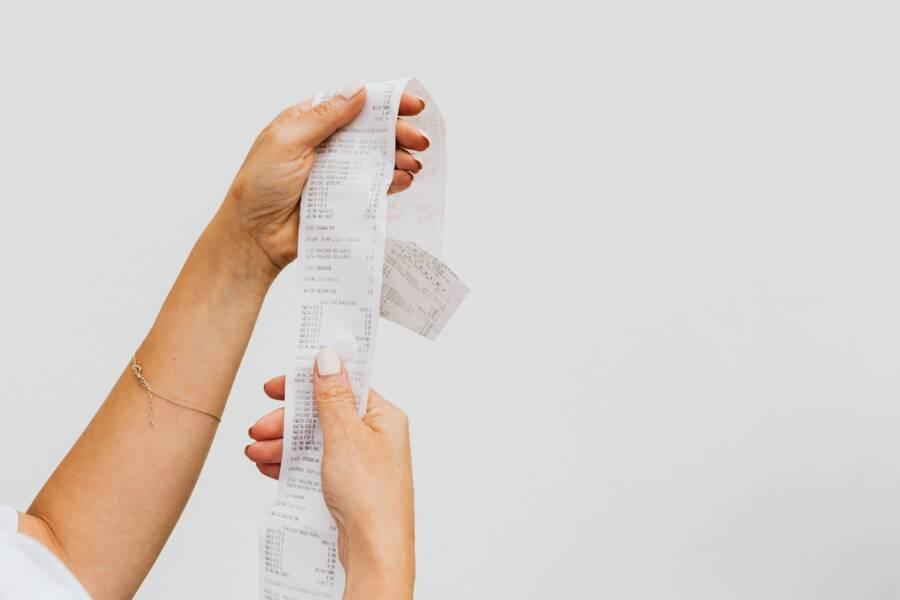
When you identify your financial patterns, your relationship with money shifts from reactive to proactive. You stop wondering where your paycheck went and start directing it toward your goals.
Financial patterns are the repetitive habits and emotional triggers that dictate how you spend. Understanding these mechanisms is the bridge between persistent stress and long-term security. The following steps will help you track these behaviors and gain control over your financial future.
Why Recognizing Your Money Habits Changes Everything
Recognizing your money habits shifts your focus from temporary relief to long-term stability. Most people move through their financial lives on autopilot, responding to external stimuli without checking their internal goals. Once you identify the specific patterns driving your spending, you stop viewing your bank account as a source of stress and start seeing it as a tool for your priorities. This awareness gives you the power to intercept impulsive decisions before they happen.
Moving From Reactive Spending to Proactive Planning
Reactive spending happens when you buy something to address a fleeting mood or a sudden urge. You might purchase a subscription service because it promises convenience or grab an item during a sale just because the price tag looks lower. These actions often provide a quick dopamine hit, yet they frequently leave you feeling regretful shortly after the transaction. You are solving an emotional state rather than meeting a genuine need.
Proactive planning requires you to define your values before you reach for your wallet. When you know that saving for a home or funding a specific skill matters more than a collection of minor impulsive purchases, you build a mental filter. This filter changes the pause moment before a transaction.
You identify the trigger: Is this purchase about a goal or an immediate feeling?
You evaluate the trade-off: Does this money serve a better purpose elsewhere?
You confirm your intent: Does this buy align with your long-term plan?
When you pause for five seconds, you disconnect the emotional loop. You decide if the item provides enough value to replace your savings goal or your debt repayment progress. This small gap between the urge and the action gives your rational brain time to catch up with your emotions.
Breaking the Emotional Cycles That Control Your Wallet
Many people spend money to soothe stress, boredom, or the pressure to keep up with others. If you feel tired after a long workday, you might order expensive takeout because your willpower is low. If you see your neighbors upgrade their vehicle, you might feel a sudden urge to do the same to maintain a sense of status. These patterns function like silent instructions in your brain, pushing you toward spending without your conscious consent.
Naming these triggers weakens their influence over your decisions. When you admit to yourself that you are buying a coffee because you are bored rather than thirsty, the urgency fades. You can then choose a different activity that addresses the boredom without costing you money.
Label the emotion: Identify if you are feeling stressed, anxious, or pressured.
Trace the pattern: Notice where and when these feelings usually lead to spending.
Interrupt the sequence: Create a different action, such as a walk or a phone call, to handle the emotion.
By calling out these habits, you move from being a victim of your impulses to being the architect of your finances. You no longer blame bad luck or a high cost of living when your savings stagnate. Instead, you address the underlying emotional cycle that keeps you stuck. Understanding why you spend is the first step toward changing what you spend.
How to Track and Identify Your Personal Financial Patterns
Tracking your money reveals the hidden scripts directing your financial decisions. Most people assume they know where their income goes, but small, recurring habits often stay invisible until you map them out. You can gain control by gathering raw data and matching it against your behavioral tendencies.
The Three Month Spending Audit Method
A three-month window provides enough data to spot recurring cycles without being overwhelmed by minor, one-time expenses. You need to pull your bank statements and credit card reports for the last 90 days. During this process, assign every transaction to a specific category, such as groceries, dining out, subscriptions, or entertainment.
After categorizing, look for patterns tied to the calendar or your emotional state. Many people notice that spending spikes during the first few days of the month when paychecks arrive, or they discover a pattern of late-night online shopping linked to work-related stress.
You should also look for specific recurring costs that no longer serve you. If you notice a subscription fee for a service you haven’t opened in months, mark it for cancellation. The goal is to separate your fixed costs from your variable spending. When you list these side by side, you can see if your variable spending consistently exceeds your savings goals.
Identifying Your Financial Personality Type
Your habits stem from deeply ingrained attitudes toward money. While every individual is unique, most people gravitate toward one of three primary financial personalities. Identifying your type helps you anticipate your weaknesses and build systems that work with, rather than against, your natural tendencies.
The spender feels a sense of urgency to use money as soon as it enters their account. They often prioritize immediate enjoyment or convenience over long-term savings. If this sounds like you, focus on creating automated transfers to savings accounts the moment your pay arrives.
The saver holds onto money with great discipline but sometimes avoids necessary spending on quality-of-life improvements. This type often struggles to enjoy the wealth they have built. If you identify here, allow yourself a small, pre-planned “guilt-free” budget for experiences or personal development.
The avoider finds financial tasks stressful or confusing, choosing to ignore bank balances and bills until they become emergencies. This behavior leads to missed payments and high interest charges. If you recognize this pattern, simplify your setup by using automatic bill pay and setting up low-balance alerts on your phone.
Most people contain elements of all three types. You might be a disciplined saver in your professional life but act like a spender during stressful weekends. Once you acknowledge these tendencies, you can stop fighting your personality and start using it to your advantage.
Taking Control With Simple Financial Adjustments
Small, intentional changes to your spending routine provide the most reliable path toward financial stability. When you observe your patterns, you see exactly where minor adjustments stop money leaks. You do not need a complete lifestyle overhaul to see results. You only need to introduce minor barriers that protect your long-term goals from your immediate impulses.
Using Friction to Stop Impulse Buying
Friction is the time or effort required to complete a purchase. When you lower friction, you spend more easily. When you increase it, you force your brain to slow down. If you keep your credit card information saved in your browser, you remove the effort needed to buy anything online. You click, you pay, and the item arrives before you evaluate if you actually need it.
To create necessary friction, start by removing your saved payment details from every retail website you visit. When you have to stand up, walk to another room, find your wallet, and type in sixteen digits, you gain enough time to reconsider the purchase. This simple physical act often kills the impulse entirely.
You can also implement a 48-hour waiting rule for every non-essential purchase. When you want an item, add it to a list and close the browser. If you still want the item two days later, you can buy it. In most cases, the temporary excitement fades, and you realize the purchase does not serve a real purpose.
Delete saved cards from browser autofill settings.
Log out of shopping apps after every use to require a password login next time.
Unsubscribe from promotional emails that trigger “sale” alerts.
Remove your saved payment methods from digital wallet apps on your phone.
These extra steps protect your bank account by turning an automatic transaction into a conscious decision. You will find that most impulse buys are reactions to boredom or advertisements rather than genuine needs.
Aligning Daily Habits With Your Long Term Wealth Goals
Your daily spending choices act as small votes for your future. If you value homeownership, debt freedom, or early retirement, every purchase is either an investment in that goal or a distraction from it. Once you map your financial patterns, this alignment becomes natural because you stop treating savings as an afterthought.
You do not need to cut every joy from your life to build wealth. You only need to ensure your regular spending mirrors your priorities. If you find your money currently goes toward takeout and subscriptions you rarely use, those are clear indicators that your daily actions currently serve convenience rather than your future security.
Consider how your small choices compound over time. Spending fifty dollars a week on small, unneeded items adds up to over two thousand dollars in a single year. If you directed that same money into a retirement account or a high-yield savings fund, that capital would grow significantly. Knowing your patterns helps you spot these leaks before they empty your potential wealth.
When you feel the urge to spend, ask yourself if the item provides more value than your future freedom. This mental connection makes it easier to keep your money in your accounts. You stop seeing money as something to dispose of and start seeing it as fuel for your primary objectives. Every time you skip a non-essential purchase, you move slightly closer to the stability you want.
Common Questions About Changing Money Behaviors
Most people face similar hurdles when they decide to alter their spending habits. You might wonder if small changes actually matter or how long it takes to break a lifelong cycle. These concerns are normal, and finding answers helps you move forward with confidence.
How long does it take to change a financial habit?
Changing a habit takes time because you are rewiring your brain to stop choosing immediate gratification. While some people report feeling a difference within a few weeks, others need several months of practice before new behaviors feel natural. Consistent effort matters more than speed. If you start tracking expenses today, you will notice subtle shifts in your awareness almost immediately.
The process often follows a cycle of trial and error. You might succeed for ten days, experience a slip, and then get back on track. This fluctuation is a natural part of growth. Do not let one mistake derail your progress. Focus on your long-term consistency rather than expecting perfect execution from the first day.
Can I change my habits without giving up things I enjoy?
You do not need to live a life of restriction to gain control over your money. The goal is to align your spending with your actual values instead of reacting to impulses. If travel matters more to you than premium coffee or a new wardrobe, you prioritize the travel budget. You simply adjust your daily spending to create space for your primary goals.
When you remove the mindless spending that offers no real satisfaction, you keep more money for the things that truly matter. It is a process of subtraction, not deprivation. By identifying what you actually enjoy versus what you buy just to fill a void, you gain flexibility. You will find that you spend less while feeling more satisfied with how your money works for you.
What should I do when I feel the urge to impulse spend?
The urge to spend usually stems from an emotional state, such as stress, fatigue, or boredom. When you feel that sudden need to purchase something, wait at least 48 hours before you act. This waiting period allows your rational mind to assess whether the item is necessary. Most impulsive desires lose their intensity when you step away from the purchase environment.
Use these tactics to manage the urge:
Keep a list of non-essential items you want to buy.
Wait two full days to see if the interest persists.
Check if you are feeling stressed or tired when the urge strikes.
Do something else entirely, like taking a walk or calling a friend, to shift your mood.
Will automating my finances help me break bad patterns?
Automation removes the need for willpower in your daily decisions. When you set up automatic transfers to savings or investment accounts the moment your income arrives, you pay yourself first. You no longer have to debate whether to save or spend at the end of the month because the decision is already made.
This setup protects your money from your future self. Even if you have a habit of overspending during the weekend, your core savings goals remain untouched. You simplify your financial life by reducing the number of manual tasks you have to track. Automation is a safety net that keeps your long-term plan moving forward even when you lose focus.
Conclusion
Tracking your spending reveals the hidden scripts directing your money. You transform your financial life when you replace automatic reactions with intentional choices. This process is a journey that requires patience; it isn’t a quick fix that happens overnight.
Consistency matters more than perfection as you work to break old cycles. You gain security and freedom when your daily habits align with your long-term goals. Every small adjustment you make today builds a stronger financial future.