Financial self-awareness matters more than any investment strategy because it dictates how you react to market shifts and personal stress. While financial products and economic environments change constantly, your internal habits and emotional triggers remain steady factors in your success.
Many people search for the perfect portfolio to secure their future. However, the best plan fails if you abandon it during a market downturn because of panic or poor self-control. Understanding your personal risk tolerance and spending patterns allows you to build a system that you can actually stick to over the long term.
If you know exactly why you spend money or feel fear when prices drop, you stop making reactive choices. You gain control over your financial life by aligning your actions with your true goals rather than chasing temporary market trends.
Understanding the Role of Financial Self-Awareness
Financial self-awareness is the ability to recognize how your habits, emotions, and past experiences influence your money decisions. It acts as a filter for every choice you make, from daily spending to long-term retirement planning. Without this clarity, you follow external patterns that rarely match your personal financial goals. Identifying your own biases allows you to build a system that supports your lifestyle instead of forcing you to fight your instincts.
Why Your Psychology Matters More Than Market Data
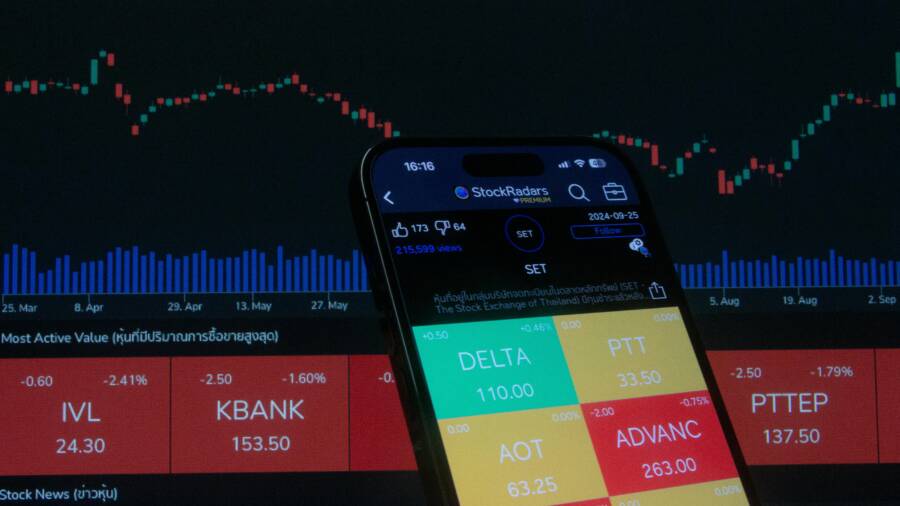
Investors spend hours reviewing charts and earnings reports, yet they often exit the market at the wrong time. This happens because human beings prioritize survival over logic during moments of stress. When stock prices drop, your brain views the loss as an immediate threat. You feel a biological urge to sell to prevent further pain.
Technical charts cannot account for these internal pressures. A graph shows you a price trend, but it does not tell you if you can stomach a twenty percent dip without panic. If you do not understand your own threshold for volatility, you will abandon even the best investment plan.
Knowing your own psychology provides a better return than any data set. You can prepare for your reactions by following these habits:
- Identify your triggers, such as checking your account balance during a market dip.
- Limit your exposure to financial news that fuels fear or excitement.
- Write down your long-term goals to keep a clear perspective when prices fluctuate.
Most people fail because they mistake market information for financial maturity. Information is easy to acquire, but self-control requires regular practice. When you acknowledge your tendency to feel greed or fear, you stop letting these emotions dictate your moves. You start making decisions based on your plan rather than your current pulse rate.
Breaking Free from External Financial Pressure
Social media creates a distorted reality where everyone seems to be getting rich overnight. You see curated photos of luxury trips and high-end investments, which encourages you to question your own progress. This constant comparison leads to impulsive choices, such as buying into trends you do not understand just to keep up with others.
External pressure shifts your focus from your own timeline to someone else’s highlight reel. You lose sight of your unique financial needs because you feel the weight of social expectations. Financial self-awareness helps you see these pressures for what they are: outside noise.
When you understand your own values, you stop chasing what works for others. You gain the confidence to follow a path that fits your actual income and risk appetite. Consider these shifts in perspective to regain your focus:
- Recognize that most financial success stories omit the risks and failures.
- Define what financial freedom looks like to you personally instead of adopting generic definitions.
- Accept that slower progress on a consistent path often outperforms risky bets made under peer pressure.
Your financial journey is not a race against your neighbor or a stranger on the internet. It is a tool to secure your future. Once you stop seeking validation from external sources, you free up mental energy to focus on what actually builds your wealth. Protecting your focus is just as important as protecting your capital.
Practical Steps to Master Your Money Mindset
True financial mastery begins when you stop reacting to market conditions and start managing your own internal patterns. You gain control by bridging the gap between your goals and your daily financial habits. This process requires honesty about how you interact with money and why you make specific purchasing decisions.
Conducting a Personal Financial Audit
A personal financial audit is your first step toward clarity. It reveals where your money actually goes compared to your stated priorities. You cannot manage your behavior until you measure your current actions.
Start by tracking every expense for thirty days without judgment. Many people use mobile apps like YNAB or simple spreadsheets to record these transactions. During this period, note how you felt before and after each purchase.
Look for patterns in your spending. You might notice that you spend more when you feel tired, stressed, or bored. These emotional triggers often override your logical goals. Once you identify these moments, you can build systems to pause before you pay.
- Review your transaction history for the last month.
- Label each purchase as a necessity, a want, or a trigger-based expense.
- Observe which emotional states lead to impulse buying.
- Set a 24-hour waiting period for non-essential items to reduce emotional urgency.
When you see the data, your spending habits stop feeling like a mystery. You gain the ability to redirect funds from impulsive wants toward long-term goals.
Identifying Your Unique Risk Tolerance
Risk tolerance is not just a calculation based on your age or account balance. It is your emotional capacity to watch your investments lose value without panicking. Many people claim they have a high risk tolerance during bull markets, but they quickly discover their actual limits when the market drops.
You must separate the desire for quick returns from the reality of market volatility. If you lie to yourself about your comfort with risk, you will likely sell your assets at the worst possible time. A simple way to test your limit is to imagine a 20 percent drop in your total portfolio value.
If imagining a 30 percent loss makes you want to sell, your current strategy is too aggressive. You should adjust your asset allocation until you feel stable enough to stay invested during downturns. True risk tolerance is the level of volatility you can ignore while focusing on your long-term plan. Use this awareness to build a portfolio that lets you sleep well, regardless of the current market news.
Comparing Self-Awareness to Standard Investment Strategies
Financial self-awareness is superior to standard investment strategies because your behavior dictates your results more than any market theory. While a typical strategy focuses on asset allocation and diversification, it assumes you remain a rational actor. Self-awareness acknowledges that you are human and prone to emotional interference. By prioritizing your own internal reactions over external formulas, you secure long-term stability regardless of market conditions.
The Limitation of Static Formulas
Most investment strategies rely on historical data to predict future performance. These models assume markets move in cycles that a portfolio can weather through simple rebalancing. However, these strategies often ignore the person behind the computer screen. If a market correction occurs, a textbook strategy tells you to hold or buy more. If you panic and sell, the strategy provides no protection against your own fear.
Standard approaches treat your money like a set of abstract numbers on a spreadsheet. They fail to account for your unique life circumstances, such as job security, family obligations, or personal goals. A strategy that looks perfect on paper often breaks down because it lacks the flexibility to adapt to your actual human needs.
How Internal Awareness Changes Your Outcomes
When you possess financial self-awareness, you shift your focus from beating the market to managing your behavior. You no longer chase the highest returns, as you recognize that high-risk bets often trigger the very panic that destroys wealth. Instead, you design a portfolio that matches your psychological comfort zone.
This approach creates a more consistent experience. You trade the chance of short-term gains for the security of long-term consistency. You remain invested through difficult periods because your plan is built around your tolerance for stress.
The table above demonstrates that while standard strategies value math, self-awareness values the investor. By focusing on your own limits, you gain the ability to stay in the game long enough to see your investments grow.
Developing Your Personal Financial Framework
You build a stronger future when your money choices reflect your true character. Start by examining your past reactions to financial news or market drops. If you felt intense anxiety, admit that your current risk allocation is too high. Change your portfolio to match your actual feelings rather than what a textbook recommends.
Align your spending with your core values as well. Many people lose money on purchases that do not bring them satisfaction. When you define your priorities, you stop wasting capital on things that do not move you toward your goals.
Finally, create a set of rules for yourself that you cannot break during times of stress. These rules act as a guardrail for your decision-making. If you write down that you will not sell during a dip, you have a reference point when fear arises. Your self-awareness provides the discipline that no external investment strategy can offer.
Addressing Common Misconceptions About Wealth Building
Many people believe that building wealth requires high income, secret investment tips, or perfect timing. These ideas often hold you back because they shift your focus toward factors you cannot control. True wealth accumulation relies on consistent behavior, spending habits, and long-term discipline rather than a single breakthrough moment.
The Myth of Needing High Income
A common belief is that wealth belongs only to high earners. While a large salary makes saving easier, it does not guarantee financial security. You see many people with high incomes who live paycheck to paycheck because their expenses grow alongside their earnings. This phenomenon is known as lifestyle inflation.
Wealth building is not about how much money you earn, but how much you keep. A person with a modest income who saves consistently often builds more long-term net worth than a high earner who spends everything they make. You can grow your wealth at any income level by maintaining a gap between your earnings and your spending. Focus on controlling your expenses instead of waiting for a raise to start your financial plan.
Waiting for the Perfect Time to Invest
People often delay their financial journey while waiting for market stability or a better economic climate. They think that investing requires a deep understanding of market trends or a specific amount of initial capital. This mindset is dangerous because time is your most important asset. Missing years of compound growth usually costs more than waiting for a dip or a rise in the market.
Market timing is rarely successful, even for professional investors. History shows that waiting for the ideal moment to enter the market often leads to missed gains. Start with whatever amount you have available today. You can automate your contributions to remove the emotional burden of timing the market. Consistency beats precision every time you invest.
Viewing Debt as Always Being Bad
Financial advice often labels all debt as a negative force. However, debt is a tool, and its impact depends entirely on how you use it. High-interest consumer debt, such as credit card balances, destroys wealth because it carries a heavy cost. You should prioritize paying off these balances as quickly as possible.
In contrast, some debt can support your long-term goals if it allows you to acquire assets that appreciate in value or increase your earning potential. Low-interest debt can provide you with opportunities that would otherwise be out of reach. You should evaluate debt based on its interest rate and the return it provides. The following table summarizes how to categorize your obligations:
Distinguishing between harmful debt and strategic debt helps you manage your money with more confidence. Avoid debt that funds temporary consumption. Use debt only when it fits into a clear plan that increases your overall net worth.
Thinking Wealth Is Just About Money
Many people define wealth by the balance in their bank account or the value of their portfolio. While these numbers provide a baseline, they do not capture the full reality of your financial situation. True wealth includes your ability to remain calm during volatility and your freedom to make choices aligned with your values.
You possess true wealth when you no longer feel forced to trade your time for money to sustain a lifestyle you dislike. This state comes from your mindset, your lack of dependence on high-cost status symbols, and your clarity regarding your goals. When you stop chasing wealth as a scoreboard, you start building a life that provides real security.
Conclusion
Market volatility often exposes the gap between a written plan and your actual emotional response. You gain more stability from understanding your personal triggers than you do from picking the right assets. Prioritizing self-awareness allows you to stay invested when others panic because you know your own limits.
Effective wealth building relies on your ability to measure your habits and align them with your values. Data, charts, and formulas cannot account for your stress levels or impulsive desires. Your success hinges on maintaining a system that fits your psychology rather than forcing your behavior to match a generic model.
Before you adjust your portfolio or search for new investment vehicles, perform a thorough audit of your past financial decisions. Observe your emotional reactions during previous market drops to identify your true risk tolerance. Once you understand these internal patterns, you can build a framework that protects your capital and keeps your goals within reach. True financial control starts when you stop watching the market and start watching yourself.