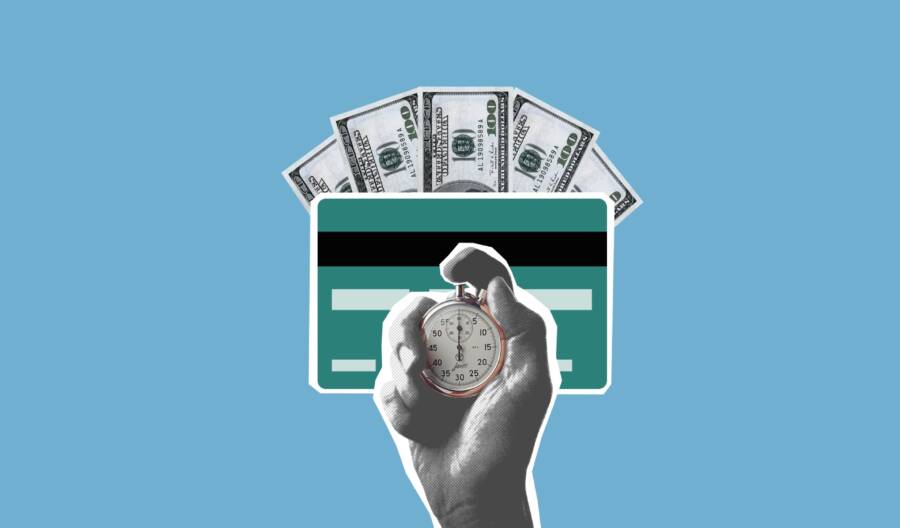
Daily rituals work better than random effort because they turn financial growth into a predictable system rather than an unpredictable event. Random bursts of motivation rarely last long enough to build real wealth.
Consistent habits compound over time to create steady financial progress. When you repeat small actions daily, you build momentum that overcomes the friction of starting over every time you feel inspired.
You will learn how to shift your focus from one-off tasks to a repeatable system that secures your financial future.
The Science Behind Habitual Success and Wealth Accumulation
Human brains consume vast amounts of glucose when making complex choices. Every time you face a financial decision, your willpower drains slightly. This mental exhaustion leads to poor choices, impulsive spending, or complete avoidance of money management. Wealth accumulation becomes difficult when your mind is tired from daily stress. Rituals fix this by shifting your behavior from active decision-making to automatic, low-effort responses.
How Rituals Reduce Decision Fatigue
Decision fatigue occurs when the quality of your choices drops after a long period of thinking. If you wait until you are exhausted to decide whether to save or spend, your brain takes the path of least resistance. That path often involves instant gratification. A daily ritual removes the choice entirely because the action becomes a fixed part of your schedule.
When your financial routine is rigid, you stop negotiating with yourself. You do not ask if you should contribute to your retirement account; you do it because it is Tuesday. By automating these tasks, you preserve your mental energy for important life decisions. This consistency prevents emotional reactions to market shifts or sudden spending temptations.
Reliable financial habits act as a mental shield:
Lower stress levels: You no longer worry if you forgot a payment or missed a saving goal.
Improved consistency: Repetitive tasks require less brain power than spontaneous attempts at organization.
Objective focus: You base choices on your long-term plan rather than your current mood.
The Power of Compounding Small Financial Actions
Compound interest is the mathematical reality of money growing over time. Small, consistent additions to your investments generate their own earnings, which then generate more earnings. This cycle accelerates the speed of your wealth growth. A single large investment is helpful, but the daily commitment to small, repetitive actions creates a more stable trajectory.
Think of your financial life as a snowball rolling down a hill. One massive push at the start does little if the snowball stops shortly after. However, if you add even a tiny amount of snow every single day, the ball gathers momentum. Eventually, the size of the snowball increases faster than you could ever manage by hand.
This effect applies to every aspect of money management:
Steady, daily efforts produce a cumulative result that infrequent, giant gestures cannot match. When you prioritize the habit over the outcome, the math of compounding naturally works in your favor. You do not need to be a financial genius to build wealth. You only need to be the person who shows up to their financial system every single day.
Breaking the Cycle of Random Effort in Financial Planning
Financial health depends on systems rather than occasional bursts of energy. Many people treat their finances like a sporadic project, only paying attention when they feel motivated or when a crisis emerges. This approach creates a cycle of panic and neglect. Replacing this behavior with daily rituals secures long-term stability by removing the need for constant willpower.
Why Motivation Is an Unreliable Financial Partner
Motivation is a temporary emotion. It spikes when you set a goal, yet it fades as soon as the initial excitement wanes. Relying on this feeling to save money or track investments creates a major gap in your strategy. When you wait for the right mood to manage your cash, you leave your financial future to chance.
A daily ritual functions differently. It ignores your current mood and focuses on the action itself. If your plan requires you to check your budget for five minutes every morning, you do it regardless of how you feel. This predictability is the difference between building wealth and hoping for the best.
Consider how your feelings shift during the week:
High energy days: You feel productive and might over-commit to aggressive saving goals.
Low energy days: You feel tired and might skip important updates or spending reviews.
Stressed days: You feel anxious and might make impulsive, emotional decisions.
A ritual keeps you centered regardless of these swings. It acts as an anchor for your finances. You do not need motivation when you have a habit. You simply follow the process you established.
Recognizing the Risks of Inconsistent Financial Behavior
Inconsistent behavior creates invisible costs that stack up over time. If you only look at your accounts once a month or whenever you remember, you lose your connection to your actual spending. This lack of awareness often leads to small, unnoticed expenses that ruin your monthly targets. You might miss opportunities to grow your money because you were too distracted to notice a change in the market or a banking update.
Poor management habits also increase your stress. When you operate in fits and starts, you never feel truly in control of your situation. You constantly play catch-up with bills, savings goals, and investment contributions. This cycle makes money management feel like a chore instead of a path to freedom.
The risks of an inconsistent approach include:
Missed compounding: Delayed investment contributions lower your total returns over several years.
Budget drift: Minor spending creeps into your daily life because you do not track it regularly.
Reactionary choices: You make moves based on panic during market dips rather than following your original plan.
Consistency is your primary tool for mitigating these risks. By checking your finances daily, you spot mistakes early and adjust your behavior before they cause damage. You trade the exhaustion of massive, infrequent cleanups for the ease of tiny, daily maintenance. Your bank account remains stable because you treat it as a priority every single day.
Practical Steps to Replace Random Efforts with Effective Rituals
Moving from sporadic financial management to a disciplined ritual requires a clear roadmap. You stop relying on willpower by building a system that runs on autopilot. This shift changes your relationship with money from reactive to proactive. You need to focus on tasks that provide the highest return on your time while keeping the process simple enough to sustain for years.
Identifying High Impact Daily Tasks
You cannot track every penny or analyze every stock movement daily without burning out. Instead, focus on a few high-impact activities that keep you informed without consuming your entire morning. These actions provide immediate feedback on your financial health and prevent small issues from growing into large problems.
Pick these three tasks to form your daily financial baseline:
Review yesterday’s transactions: Open your banking app to verify recent charges. This prevents subscription creep and catches unauthorized activity while the events are still fresh in your memory.
Update your primary savings progress: Look at your progress toward one specific goal. Seeing the gap close between your current balance and your target keeps you motivated to maintain your saving rate.
Verify upcoming bills: Scan your calendar for pending payments or dues. You avoid late fees and overdrafts by simply knowing when money needs to leave your account.
Each task takes less than two minutes. The cumulative effect of these actions provides a total picture of your cash flow. You spend less time worrying about money because you already have the data you need.
Creating Your Financial Ritual Architecture
A ritual succeeds only when you anchor it to your existing environment. If you try to perform financial tasks at random times, you will eventually skip them. You must build your ritual into your daily schedule by pairing it with an existing, well-established habit. This process, often called habit stacking, uses the structure of your life to trigger your new routine.
Use these environmental cues to lock your financial habit into place:
Select a consistent trigger: Perform your financial review immediately after a stable event, such as brewing your morning coffee or sitting down at your desk. The smell of coffee or the act of opening your laptop acts as the signal to begin.
Choose a dedicated location: Always manage your money in the same spot. A clean, quiet area helps your brain associate that space with focus and objective analysis.
Remove digital friction: Keep your banking apps on your home screen or bookmark your account pages in your browser. If you have to search for your password or navigate through multiple menus, you will find excuses to stop.
Visualize the outcome: Keep a physical note or a simple digital dashboard that displays your long-term goal. Seeing the result of your discipline reminds you why you continue the work.
Your environment dictates your behavior more than your motivation does. By building a specific time, place, and trigger into your day, you transform money management from a chore into a standard part of your identity. You no longer need to summon the energy to act because the environment pulls you into the task automatically.
Comparing Results: The Long Term Impact of Consistency
Consistency changes your financial trajectory from a series of lucky breaks to a predictable outcome. While random bursts of effort provide short-term gains, they fail to build the momentum required for lasting wealth. You reach financial independence faster by sticking to a routine than by attempting massive, infrequent changes.
The Math of Sustainable Progress
Compounding interest acts as the primary engine for your wealth. This effect relies on time and steady contributions rather than the size of a single deposit. When you add small amounts to your investments every month, you earn returns on your previous gains. Over ten years, this snowball effect generates more growth than occasional, larger sums of money ever could.
Steady habits protect you from the volatility of human emotion. Market fluctuations often trigger fear, which leads to poor timing or premature selling. A consistent investor ignores these daily price swings because they contribute to their portfolio on a fixed schedule. This approach lowers your average cost per share and removes the pressure to time the market perfectly.
Quantifying the Difference Between Approaches
Sporadic efforts create significant gaps in your potential returns. When you manage money only when you feel motivated, you likely miss several windows for growth or fail to optimize your spending. A consistent ritual ensures you capture every opportunity to save and invest. The following comparison illustrates how different behaviors affect your long-term success.
The table above demonstrates that the method of delivery matters as much as the amount invested. Consistency turns small, manageable contributions into a substantial asset base over a decade.
Managing Financial Growth Cycles
Wealth accumulation occurs in stages, and each stage requires different habits. Early in your journey, your focus should be on building the ritual of saving. As your assets grow, your ritual shifts toward monitoring performance and adjusting your goals. Consistency remains the constant factor throughout these phases.
You avoid the common traps of financial neglect by staying engaged with your numbers. People who check their balances weekly often catch billing errors or subscription fees that others miss. These small savings act as additional capital for your investments. When you maintain this connection to your finances, you make better decisions because you understand your actual cash flow.
Addressing Common Questions About Habits
Many people wonder if they can catch up after a period of poor financial habits. You can change your situation at any time by starting a new ritual today. Past mistakes do not define your future potential.
How long does it take to see results? Most people notice a shift in their anxiety levels within one month, while financial compounding results become visible after several years.
Can I automate everything? Automation handles the execution, but your ritual keeps you aligned with your goals.
What if I miss a day? You do not need perfection, so just resume your routine the following day without guilt.
Focus on small wins to maintain your motivation. Each time you update your budget or contribute to your account, you confirm your commitment to your future self. These incremental successes build the confidence you need to manage larger amounts of wealth later. Reliability is the most important skill you possess in your financial life.
Common Questions About Financial Rituals
People often have specific concerns when they start a new financial routine. You might wonder if these habits actually work or how they fit into a busy schedule. Understanding the mechanics of these rituals helps you maintain your progress without feeling overwhelmed.
Does starting a financial ritual require extra time?
You do not need to dedicate hours to your money each day. Most effective financial rituals require less than five minutes of focused effort. The goal is to integrate these tasks into your existing day. You might review your bank account while you wait for your coffee to brew. This habit fits into dead time rather than requiring a dedicated hour of your evening. Efficiency matters more than duration when you build long-term wealth.
Can I fix my finances if I failed in the past?
Your past financial choices do not lock you into a permanent state of debt or disorganization. Financial rituals function as a reset button for your habits. You start today by tracking one expense or checking your savings balance. These small, daily actions create a fresh trajectory regardless of your history. You build new momentum by focusing on what you do today instead of dwelling on previous mistakes.
Is automation better than a manual ritual?
Automation and personal rituals serve different purposes in your financial life. You should automate core tasks like bill payments and savings transfers to ensure they happen without fail. However, a manual ritual keeps you connected to your money. You gain awareness of your spending patterns when you take a moment to look at your transactions. Use automation for the heavy lifting and personal rituals for your financial awareness and oversight.
How do I handle days when I feel like skipping my habit?
Missed days happen in every long-term plan. You do not need perfection to see results from your financial habits. If you skip a day, simply resume your routine the following morning. The strength of a ritual lies in your willingness to return to the process consistently. Do not let one missed session turn into a week of neglect. Acknowledge the gap, refocus on your system, and continue your progress.
What is the primary benefit of tracking money daily?
Daily tracking eliminates the shock of surprise expenses. When you look at your accounts every morning, you spot unauthorized charges or subscription errors immediately. You also remain mindful of your spending limits. This ongoing awareness changes your behavior because you view your money through the lens of your long-term goals. You transition from reactive spending to intentional decisions that align with your financial future.
Conclusion
Daily rituals serve as the primary engine for building wealth. They replace the unreliable nature of willpower with a steady, predictable system that keeps your finances on track.
Start your own progress today by choosing one small, repeatable action. Tracking a single expense or verifying a daily savings balance will help you establish the necessary rhythm for long-term growth.
Discipline creates a compounding effect that produces significant results over time. You gain control of your financial future when you show up for your money every single day.