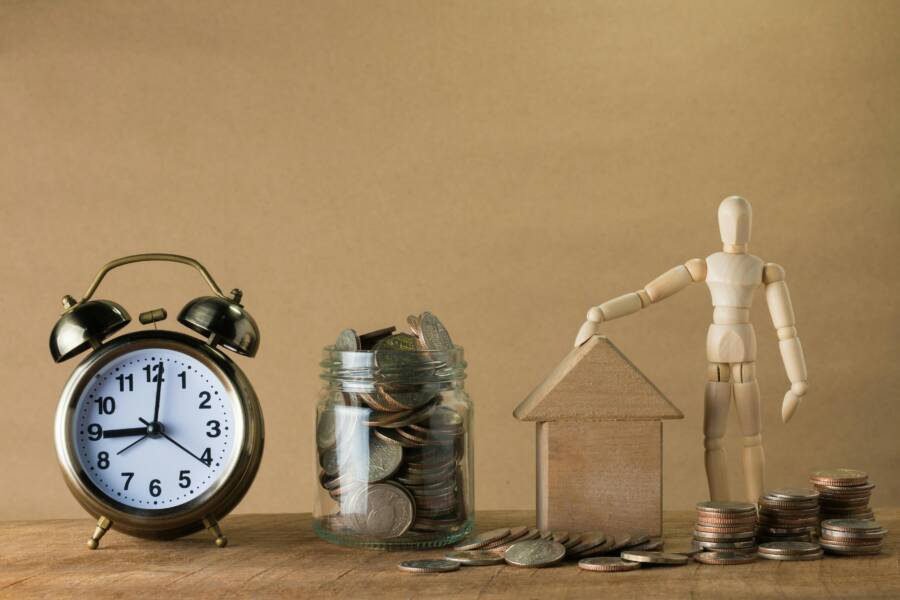
Delaying a financial decision often results in better outcomes because it prevents emotional spending and provides time for gathering essential data. Many people mistake hesitation for inaction, yet waiting is a strategic tool that separates impulse from reason.
Impulsive spending relies on immediate gratification and gut reactions to marketing triggers. Strategic waiting, however, requires you to pause and evaluate the long-term impact of your purchase or investment. This cooling-off period allows logic to replace short-term desire.
Patience is a financial superpower because it removes the pressure of artificial deadlines. By slowing down your process, you gain the clarity needed to protect your assets and increase your total wealth.
The Hidden Costs of Making Decisions Too Fast
Quick decisions often feel efficient, but they frequently hide significant financial risks. When you act without thinking, you lose the opportunity to compare prices, verify needs, or consider long-term consequences. This speed often creates a disconnect between your immediate desires and your actual financial goals. True financial stability requires moving away from the urge for instant action toward a more deliberate, analytical process.
How Impulse Purchasing Destroys Your Savings
Impulse buying relies on the emotional high of a new acquisition. Retailers design their stores, websites, and sales tactics to trigger this exact response. You see an item, feel a sudden spike of interest, and complete the purchase before your logical brain has time to intervene. This cycle creates a pattern of spending that chips away at your ability to save money.
A cooling-off period provides a simple but effective barrier against these habits. By forcing yourself to wait 24 or 48 hours before buying non-essential items, you strip away the immediate emotional trigger. If you still want the item after two days, it might be a genuine need or a well-considered purchase. If your desire fades, you have successfully avoided an unnecessary expense and kept your money in your account.
You can categorize purchases to manage this habit better. Consider this framework to help decide when to pause:
This approach transforms your spending from an emotional reaction into a rational choice. You will find that most items you initially thought you needed lose their appeal once the initial excitement wears off.
Escaping the Trap of FOMO in Investing
The fear of missing out, or FOMO, drives many investors to make poor choices during market fluctuations. When you see others making fast gains in a trending asset, you might feel the urge to jump in quickly. However, chasing trends often forces you to buy at the peak when prices are already inflated. This strategy frequently leads to losses because you act on hype rather than fundamental value.
Waiting for a clearer picture is a superior alternative to reactive trading. Market trends often settle once the initial excitement fades, revealing the true performance of an asset. By stepping back, you gain the time to study financial reports, assess risk, and determine if an investment matches your long-term plan. This patience prevents you from buying into bubbles that burst as quickly as they form.
Successful investors prioritize consistency over speed. They recognize that one bad, fast decision can negate the gains of many good ones. Instead of reacting to every headline, you should wait until you have sufficient information to form an objective conclusion. Protecting your capital matters more than catching every brief upward move in the market. Consistent, well-researched choices build wealth far more reliably than rapid, emotional trades.
The Power of the Cooling Off Period
A cooling off period is a planned gap between identifying a financial desire and executing the transaction. This pause removes the urgency often manufactured by marketing campaigns or social pressure. When you stop to breathe, your brain shifts from an emotional state to a logical one. You gain control over your wallet by separating temporary moods from long-term financial reality.
Using Time to Gather Better Data
Waiting gives you the necessary space to treat a purchase as a research project rather than a reactive event. When you remove the pressure of the moment, you can perform an objective cost-benefit analysis. Start by comparing prices across different platforms to ensure you aren’t paying a premium for convenience or branding. Many retailers offer sales on a cyclical basis, so waiting a few days often reveals if a lower price point is imminent.
You should also look for alternative solutions to the problem you intend to solve. Perhaps you don’t need a new gadget but rather a simple repair or a different method to complete the task. Check independent reviews and user feedback to verify if the quality matches the price. By testing your desire over time, you can ask yourself if the item provides lasting utility. Often, the initial spike in interest fades after a night of sleep, which signals that the purchase was more about a mood than a genuine need.
Reducing Buyer Remorse Through Patience
Quick choices often lead to buyer remorse because they bypass your rational filter. When you buy on impulse, you experience a temporary rush of dopamine followed by the reality of a smaller bank balance. This cycle forces you to deal with the regret of spending money on items that fail to improve your life. Patience acts as a shield against these emotional pitfalls by forcing you to align spending with your actual financial goals.
Patience also helps you maintain a clear view of your budget. If you find yourself frequently returning items or letting them gather dust, the cooling off period is your best defense. Consider these common benefits of slowing down your purchase habits:
- You stop competing with social standards that don’t match your personal life.
- Your savings rate increases because you filter out non-essential expenses.
- You gain confidence in your ability to manage money without feeling deprived.
Choosing to wait doesn’t mean you never buy what you want. It means you only buy what you still value after the initial emotional intensity wears off. This habit turns your financial choices into a reflection of your priorities. Over time, you build a lifestyle supported by intentional decisions rather than regretful mistakes.
How to Build a Decision-Making System
A reliable decision-making system serves as a barrier against emotional spending. You build this system by establishing clear financial rules that trigger automatically when you consider a purchase. These rules remove the need for willpower, which often fails during high-pressure sales moments. By defining your boundaries before you enter a store or visit a website, you gain the ability to act on logic rather than passing moods.
Setting Financial Milestones Before Acting
Financial security relies on knowing exactly how much you can spend without harming your future. You should maintain a dedicated emergency fund, which sits separately from your daily spending account. This fund represents a safety net for unexpected costs like car repairs or medical bills. When you have this buffer in place, you avoid dipping into savings or using credit when life happens.
Before you buy a non-essential item, check if your budget allows for the expense without dipping into your emergency funds. A healthy habit involves reviewing your bank balance and checking your progress against your monthly savings goals. If a purchase threatens your ability to hit these targets, you must postpone it until you have the necessary cash.
Follow these simple rules to verify your financial standing before you pull out your credit card:
- Calculate the total cost including taxes and potential shipping fees.
- Confirm you have enough cash in your liquid checking account to cover the full amount immediately.
- Ensure the purchase does not decrease your emergency fund balance below its target level.
When you treat your savings as a fixed expense, you automatically prioritize stability over consumption. This method forces you to acknowledge the trade-offs you make with every transaction. You learn that money spent on a gadget today is money unavailable for your future goals tomorrow.
Asking Three Questions Before Any Purchase
You can prevent most poor financial choices by using a standard checklist. Ask these three questions every time you consider buying something that is not a daily necessity. The goal is to separate actual needs from temporary wants.
- Do I really need this? Think about whether the item solves a specific problem or if you just like the idea of owning it.
- Can I afford this without using debt? If you cannot pay the full balance today from your savings, you should not buy it.
- Will I still want this in a month? This question forces you to consider the item after the excitement of the initial discovery fades.
If you struggle to answer these questions with a clear yes, put the item back or close the browser tab. Many people find that waiting a few weeks changes their perspective entirely. You might realize the item was a solution to a problem you did not actually have. By checking these points consistently, you protect your money from the influence of clever marketing and impulsive urges.
Real World Examples of Strategic Waiting
Strategic waiting produces tangible financial gains because it shifts your behavior from reaction to calculation. When you delay a major purchase, you retain capital that would have otherwise left your accounts. This period allows you to evaluate price trends, identify cheaper alternatives, and avoid expenses that provide little long-term value. Waiting turns your money into an asset that works for you rather than a quick payment to a retailer.
The Math of Waiting on Big Purchases
Waiting to buy major items allows your money to earn interest or grow through investments. If you hold a significant sum in a high-yield savings account or an investment portfolio for an extra month, you capture the compound growth that money generates. Even a small return builds your wealth base over many years.
Consider the difference between buying a luxury item immediately versus waiting to save and invest the funds. If you spend 2,000 dollars today, that capital disappears from your earning potential. If you wait 30 days and invest that 2,000 dollars at a modest annual return, you gain interest instead of paying potential debt charges or opportunity costs.
The benefits of waiting include:
- Interest retention: Your money stays in your account, accumulating interest instead of triggering merchant fees.
- Inflation impact: Prices for electronics and appliances often drop as newer models arrive or as promotions occur.
- Debt avoidance: You bypass interest payments that accrue on credit cards if you must pay off a purchase over several months.
- Opportunity cost: You keep the flexibility to invest in assets that grow while you research the best price for your desired item.
This mathematical reality highlights that time is a form of currency. When you wait, you allow your existing savings to remain productive. You essentially pay yourself for your patience by keeping the gains that your capital produces during that interval. Your goal is to maximize your net worth by keeping your money invested for as long as possible before committing it to non-earning assets like consumer goods.
Conclusion
Waiting is a strategic tool that preserves your capital and prevents emotional errors. By pausing before you commit to a purchase or trade, you gain the clarity to distinguish between temporary desires and long-term financial needs.
Slowing down provides the space to gather better data and evaluate true costs. This habit keeps your money invested, protects your savings, and builds your financial freedom one choice at a time.