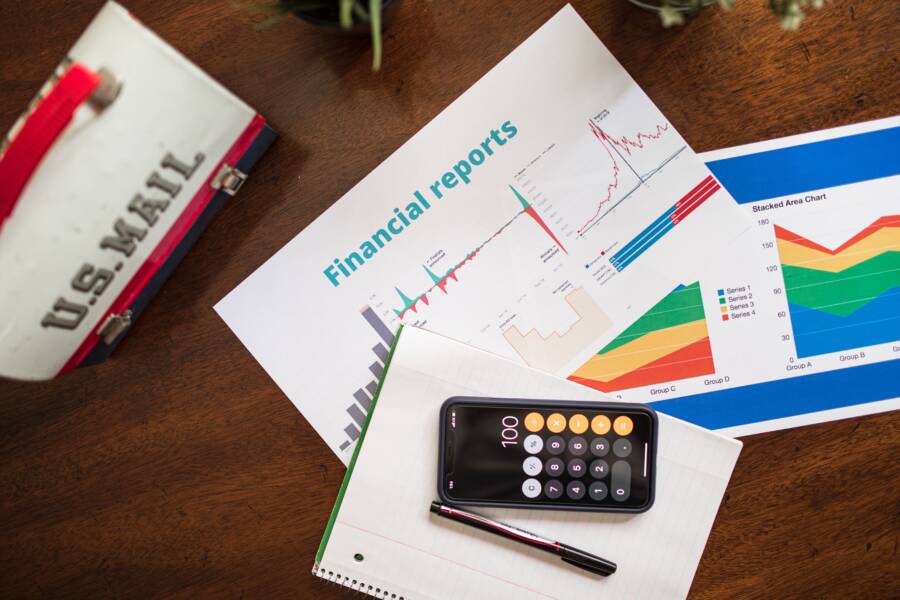
You cannot fix a spending problem until you see where your money actually goes. Financial awareness is the starting point for lasting habit change because tracking your daily transactions exposes the gap between your intentions and your actual behavior.
Most people try to save money by setting strict budgets without first understanding their spending triggers. However, a budget fails when you don’t know why you make impulse purchases or where small leaks drain your bank account. Observing your financial patterns without judgment brings hidden habits into the open, giving you the clarity needed to make different choices.
Why Better Habits Often Start with Better Awareness in Personal Finance
Financial awareness forms the foundation of stable money management because you cannot change a pattern you refuse to observe. Most people struggle with debt or low savings not from a lack of income, but because everyday transactions happen on autopilot. When you shine a light on your daily spending, your actual priorities finally align with your bank account.
The Hidden Cost of Mindless Spending
Small impulse purchases drain bank accounts quietly over time because they bypass conscious thought. Grabbing a five-dollar coffee every morning, ordering delivery on busy weeknights, and subscribing to streaming services you rarely watch seem harmless in isolation. However, these small choices compound into thousands of dollars spent annually on conveniences that offer temporary satisfaction.
Consider how convenience fees and small add-ons sneak into everyday life:
Subscription creep: Forgetting about monthly app fees and software memberships that quietly charge your card every thirty days.
Delivery markups: Paying double for restaurant meals through food delivery apps once service fees, delivery charges, and tips accumulate.
Convenience buying: Purchasing bottled water, snacks, or last-minute travel items at airport kiosks or corner stores because of poor planning.
Each individual transaction feels negligible, so your brain ignores the financial impact. Yet, totaling these expenses at the end of the month usually reveals a shocking leak in your cash flow. Without tracking these habits, you remain blind to how convenience drains your wealth accumulation potential.
How Automatic Behaviors Sabotage Long Term Wealth
Psychological autopilot keeps people trapped in paycheck to paycheck cycles because routine spending requires zero mental effort. Your brain relies on mental shortcuts to make hundreds of daily choices, and purchasing goods has become a default stress response for many adults. When you experience a long workday, buying an online item or an expensive meal triggers a quick dopamine release.
This subconscious loop bypasses long-term goals entirely, prioritizing immediate comfort over building an emergency fund or investing for retirement. Because your banking apps make transactions frictionless with saved card details and tap-to-pay technology, spending money requires less friction than ever before. Breaking this cycle demands that you introduce deliberate pauses into your routine. For example, implementing a mandatory twenty-four-hour waiting period before any non-essential online purchase gives your rational mind time to overrule your impulses. Recognizing these automatic behaviors allows you to interrupt the loop and redirect those funds toward your financial security.
The Psychology Behind Financial Blind Spots
Financial blind spots exist because the human brain relies on mental shortcuts to process complex information, making it easy to overlook everyday financial leaks. People often believe they manage their money well, yet small spending habits slip past their awareness. Uncovering these hidden mental patterns requires looking closely at daily behavior and emotional triggers.
Emotional Spending Triggers You Might Be Missing
Stress, boredom, and social pressure drive spending without most people realizing the root emotion behind the purchase. When work pressure builds, buying something online offers an immediate psychological reward, even if the item has no long-term value. Similarly, scrolling through social media exposes you to curated lifestyles, prompting purchases designed to match peer standards.
High stress levels lead to comfort shopping because dopamine temporarily relieves anxiety.
Chronic boredom turns online browsing into an expensive habit, transforming idle moments into checkout sessions.
Social comparison creates an artificial urgency to buy status items to fit in with a peer group.
Recognizing these drivers stops the cycle before money leaves your account. When you feel a sudden urge to buy something, pause for a moment to identify your current emotional state. Acknowledging that you feel lonely or exhausted interrupts the impulse and redirects your focus toward healthier ways to process those feelings.
Lifestyle Inflation and the Creep of Daily Expenses
Income growth often disappears into unseen upgrades because people fail to monitor their baseline spending as they earn more. When a salary increases, upgrading your apartment, dining out more frequently, or buying a nicer car feels like a well-earned reward. However, these small quality-of-life adjustments quickly become the new normal, absorbing every extra dollar and leaving your savings rate completely unchanged.
Tracking your baseline spending exposes this creep before it drains your raises. If you don’t actively direct new income toward investments or debt paydown, lifestyle inflation swallows the money automatically. Setting fixed savings rules the moment a raise occurs prevents this silent wealth drain. Reviewing bank statements every quarter helps you spot creeping expenses and keeps your financial growth aligned with your actual goals.
Practical Steps to Build Financial Awareness Today
Building financial awareness requires simple routines that fit into your daily life. You don’t need a finance degree to understand your money. You just need a systematic way to look at your numbers, catch impulse habits, and connect your spending to your emotions.
Conducting a Zero Judgment Spending Audit
Look at your past bank statements to find actual patterns instead of letting guilt stop you. Most people avoid reviewing their accounts because they fear seeing bad news. Treat your bank statements like a scientific report rather than a report card on your character. Download the last ninety days of transactions from your checking account and credit cards. Categorize every expense into fixed bills, groceries, entertainment, and miscellaneous purchases.
Look for recurring charges or sneaky fees that drain your funds without adding value. For example, you might notice three different streaming services you forgot to use. Add up how much you spend on dining out each month to see the true cost of convenience. Acceptance of your past choices stops the cycle of avoidance. Once you see the raw data, you can redirect those funds toward things that matter.
Pausing Before Purchase: The Ten Second Rule
Insert a deliberate pause into your shopping routine to break autopilot habits. Modern apps and card readers make spending money frictionless. Because buying items takes less than three seconds, your brain never evaluates the purchase.
Implement a strict ten-second rule before buying anything non-essential. Put your physical card down, step away from the checkout screen, and count to ten slowly. Ask yourself if you need the item or if you just want a quick mood boost. This tiny delay activates your rational thinking brain. Most impulse buys lose their appeal within ten seconds of quiet reflection.
Tracking Thoughts Alongside Transactions
Keep a brief note of your emotional states during purchases to build long-term mindfulness. Money habits tie directly to feelings of stress, fatigue, or boredom. Start writing down one sentence about how you felt right before buying something outside your budget.
Notice if you tend to shop online late at night after a hard day at work. Spotting these emotional triggers helps you find non-financial ways to cope with stress. Over time, keeping track of your mental state transforms how you view consumption. You start buying items because you value them, not because you need a temporary emotional fix.
Real World Examples: Awareness in Action
Theory means little until you watch it change daily routines. Looking at how real people transform their finances through awareness reveals the gap between rigid rules and genuine habit formation.
Case Study: From Impulse Buyer to Intentional Saver
Consider Mark, a graphic designer who spent years trapped in a cycle of credit card debt and zero savings. Mark tried every restrictive budget he found online, but each attempt collapsed within a month because the rules felt like punishment. He cut out dining out entirely, banned all entertainment spending, and set an aggressive savings target that left no room for normal life. When fatigue set in, he rebelled against the restrictions by ordering expensive electronics or booking weekend trips, wiping out any progress he made.
Mark changed his approach when he stopped budgeting and started tracking his triggers instead. Instead of limiting how much he could spend, he simply wrote down his emotional state every time he made a purchase over twenty dollars. Within three weeks, a clear pattern emerged. He bought expensive gadgets whenever client deadlines caused high anxiety.
Armed with this data, Mark created a new routine that addressed the root cause instead of the symptom. When a stressful project peaked, he took a twenty-minute walk instead of opening an online storefront. He also removed his saved credit card details from his browser, adding enough friction to stop mindless purchases. Because he kept his spending categories flexible, he stopped feeling deprived. Mark saved more money in six months of mindful observation than he did in three years of aggressive, restrictive budgeting.
Comparing Strict Budgets Versus Mindful Spending Frameworks
Rigid budgets often fail because they treat human beings like machines. A traditional budget assigns every dollar a strict category and labels any deviation as a failure. This approach creates guilt, and guilt triggers more spending as a form of emotional relief. Mindful spending frameworks operate differently. They focus on awareness, tracking patterns, and aligning purchases with actual personal values.
The differences between these two methods shape long-term financial stability.
Traditional budgets rely on willpower and restriction, whereas mindful frameworks rely on observation and adjustment.
Rigid spending limits cause psychological fatigue, while awareness habits build sustainable self-regulation over time.
Traditional tracking focuses purely on the numbers after the fact, but mindfulness catches the emotional trigger before the money leaves your account.
When you abandon the guilt of a broken budget, you can finally see your money clearly. Awareness removes the emotion from financial tracking, turning past mistakes into useful data points. You stop asking what you are allowed to buy and start asking why you want to buy it in the first place. This simple shift in perspective turns financial management from a stressful chore into a natural habit.
Frequently Asked Questions About Building Money Awareness
Building money awareness generates common questions about timelines, methods, and practical execution. Understanding how financial habits form helps you set realistic expectations for your progress.
How long does it take to change a deeply ingrained financial habit?
Changing a financial habit usually takes between two and eight months of consistent practice. Psychological research shows that automatic behaviors need time to weaken while new neural pathways form. Because money habits tie directly to stress responses and daily routines, complex patterns like impulse shopping take longer to replace than simple tracking tasks.
Your timeline depends on several factors:
The frequency of the trigger behavior. Daily habits take longer to break than weekly habits.
The level of emotional attachment connected to the spending.
The amount of friction you introduce to stop the behavior.
Small adjustments, like waiting ten seconds before a purchase, show results within weeks. Larger shifts, like stopping lifestyle inflation or clearing avoidance behaviors, require months of steady observation. Patience matters more than speed during this process.
What is the difference between budgeting and financial awareness?
Budgets are mechanical tools that allocate money into categories, while financial awareness is the underlying mindset that makes those tools work. A budget fails when you build it without understanding why you spend. Awareness uncovers the emotional triggers and behavioral patterns that cause you to abandon your budget in the first place.
You can track every dollar through software and still lack awareness if you don’t examine your relationship with money. Awareness helps you spot the root cause of an expense before the money leaves your account. When you combine strong awareness with a simple budget, financial management becomes a sustainable habit instead of a stressful restriction.
Conclusion
Financial awareness remains the single most reliable tool for breaking autopilot spending and building lasting wealth. Tracking your daily transactions and recognizing emotional triggers replaces restrictive budgeting with intentional choices that fit your real life.
Review your last ninety days of bank statements this week to identify your primary spending leaks.