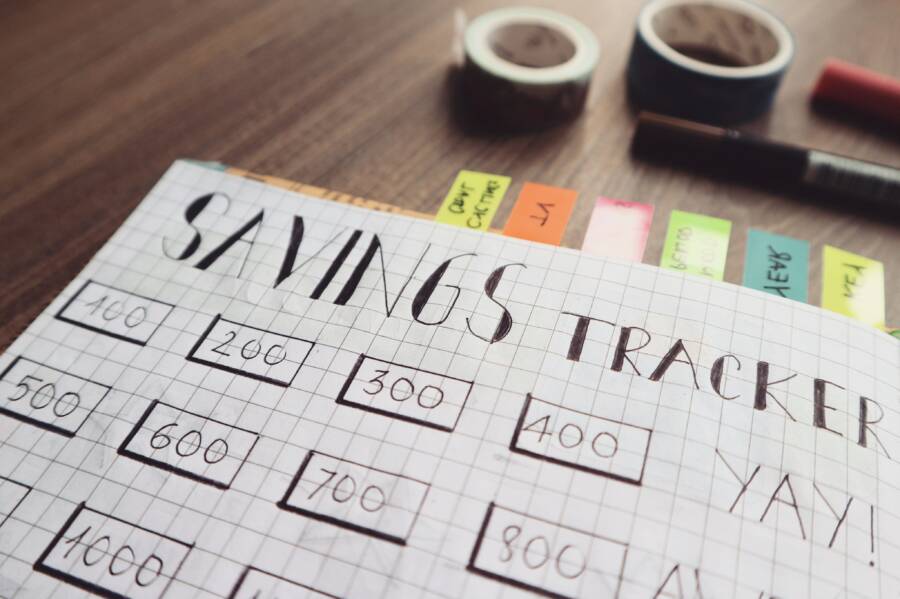
Better money awareness is the mental shift from passive spending to active control. You improve your daily choices by treating your budget as a filter that aligns every transaction with your long-term goals.
Once you know exactly where your money goes, you stop reacting to impulses and start directing your resources toward what matters most. This clarity changes your habits from accidental to intentional.
Developing this habit creates a direct path between your current lifestyle and your future security. You will see how small adjustments in your daily spending habits compound into significant financial freedom.
Understanding Your Current Financial Reality
Financial awareness begins when you stop looking at your bank account as a mysterious black box. You must identify where your money goes to gain control over your economic life. Many people operate on autopilot because modern financial systems encourage frictionless spending. When you remove the friction, you lose the connection between your labor and your consumption. By mapping your actual cash flow against your personal priorities, you transform your financial life from a passive experience into an active project.
Moving Beyond the Auto-Pilot Spending Trap
Unconscious spending happens when your financial habits operate without your active oversight. Most of this behavior stems from recurring subscriptions and small, habitual purchases that fly under the radar. You might pay for three streaming services, a gym membership you rarely use, and a monthly box of snacks that pile up in your pantry. These charges feel invisible because they occur automatically, yet they often consume a significant portion of your disposable income over the course of a year.
Small daily transactions also drain your resources without triggering a mental alarm. Buying a coffee every morning or picking up a snack during your commute seems insignificant in the moment. However, these five-dollar habits add up to hundreds of dollars each month. You stop noticing the cost because the amounts feel manageable individually.
To break this cycle, you need to conduct a thorough audit of your monthly statements. List every recurring charge and verify if you still receive value from that service. Challenge your daily spending by tracking your expenses for one week. Once you see the total amount spent on non-essential items, the autopilot state disappears. Replacing mindless consumption with intentional choices allows you to redirect those funds toward goals that provide long-term satisfaction.
The Direct Link Between Clarity and Reduced Anxiety
Money worries often persist because the unknown feels more dangerous than reality. When you avoid checking your balance or looking at your debt, your brain creates worst-case scenarios that cause unnecessary stress. Financial clarity removes this fear by replacing ambiguity with hard data. Knowing exactly how much you owe and how much you have creates a sense of agency. You stop feeling like a victim of your circumstances and start functioning as the architect of your financial future.
Clarity allows you to categorize your financial life into manageable pieces. Instead of facing one massive, overwhelming problem, you see specific items that require attention.
Income: The total resources available to you each period.
Fixed Expenses: Necessary costs like housing, insurance, and utilities.
Discretionary Spending: Choices that you can adjust or eliminate.
Savings and Debt: Long-term obligations and future-building capital.
When you organize your numbers this way, the path forward becomes visible. You can see which expenses hinder your progress and which savings goals are actually achievable. This shift in perspective lowers your baseline anxiety because you possess a plan. Decisions no longer feel like guesses; they become calculated steps toward stability. You gain confidence when you realize that your situation is quantifiable and, more importantly, solvable through consistent, informed action.
Practical Steps to Build Financial Mindfulness
Building financial mindfulness is a process of reclaiming your attention from automated systems. You move away from blind habits by making your economic reality visible every single day. This practice is not about restriction; it is about knowing where your money flows so you can direct it toward your true priorities. Consistency functions better than complexity, as a simple, repeatable habit builds more long-term stability than an occasional, intense audit.
The Daily Five-Minute Check-In Method
You do not need sophisticated software or hour-long accounting sessions to track your spending. A five-minute daily check-in is enough to maintain awareness of your cash flow. This routine keeps you connected to your bank balance and prevents the accumulation of surprise charges at the end of the month.
Follow these steps to turn tracking into a habit rather than a chore:
Pick a specific time. Most people find success by linking this task to an existing routine, such as during your morning coffee or right before you log off from work.
Open your banking app or a simple spreadsheet. Look at the transactions that occurred in the last 24 hours.
Categorize the spending. Ask yourself if the transaction was a necessary expense or a discretionary choice.
Update your running total for the week or month. This keeps you informed about how much “fun money” remains in your budget.
This approach works because it eliminates the buildup of mental clutter. When you check your accounts every day, you recognize patterns immediately. You will notice if a recurring subscription increased in price or if you are spending more on groceries than you intended. By keeping the task short, you lower the barrier to entry, which makes it far more likely that you will stay consistent.
Categorizing Choices by Value Instead of Cost
People often ask “Can I afford this?” when considering a purchase. This question is misleading because it implies that if you have the funds available, you should spend them. A more effective approach is to ask “Does this purchase align with my personal priorities?” This shift forces you to evaluate the value you receive rather than just the impact on your balance sheet.
Value-based spending requires you to define what actually matters to you. If your goal is to travel more, a daily luxury coffee purchase acts as an obstacle to that objective. The money you save by choosing a cheaper alternative is not just cash; it is a resource reallocated toward your goal.
You can categorize your spending habits based on their contribution to your life goals:
When you treat your money as a finite resource, you stop seeing purchases as isolated events. Instead, you view each transaction as a trade-off. Choosing to buy an item now means choosing not to fund a different priority later. Once you view your bank account through the lens of your own values, your daily decision-making process becomes clearer and significantly more effective.
How Awareness Shapes Better Daily Decisions
Financial awareness shifts your focus from reactive spending to intentional resource management. When you track your money, you gain the ability to align your daily transactions with your long-term goals. This practice prevents the drift toward unconscious consumption. By treating your budget as a tool for priority alignment, you turn every financial decision into a step toward personal stability.
Turning Impulse Purchases Into Conscious Decisions
Impulse buys often happen because of a short-circuit in your decision-making process. The brain experiences a momentary desire for an item, and the lack of friction in modern payment systems allows immediate gratification. You can break this cycle by implementing a mandatory waiting period for any non-essential purchase.
Requiring yourself to wait 48 hours or even a full week creates a physical and mental gap between the initial urge and the final action. This time allows the emotional intensity of the purchase impulse to fade. You gain the clarity needed to evaluate whether the item actually provides value or if it was merely a response to temporary stress or boredom.
Write down the item you want and the price.
Set a calendar reminder for your chosen waiting period.
Use this time to research alternatives or determine if the item fits your budget.
Assess the need again once the time expires.
Many people find that the desire to buy the item disappears once the immediate impulse passes. By introducing this space, you remove the reactive nature of spending and reclaim control over your wallet.
Long-Term Gains From Micro-Savings
Small, conscious choices aggregate into significant wealth because of the mechanics of compound growth. When you opt against a five-dollar daily purchase and redirect that money into a savings account or investment, you do more than save five dollars. You capitalize on the potential for that capital to generate interest over time.
If you invest five dollars every day at an average annual return, that capital grows into a substantial sum over a decade. Small changes in your daily behavior have an outsized impact on your net worth as the interest builds upon itself.
Consistency: Small daily habits create momentum that lasts for years.
Compound Interest: Money saved today gains value through time, not just through the amount saved.
Psychological Shift: Prioritizing small savings reinforces your identity as someone who manages resources wisely.
Your daily decision to save a small amount represents a commitment to your future self. You replace temporary consumption with long-term security. These choices act as the foundation for larger financial goals, as you learn that your daily habits determine the trajectory of your entire financial life.
Comparing Passive Spending and Active Financial Control
Passive spending is the default state for most people. It occurs when your money leaves your account through automated subscriptions, habitual swipes, and unplanned daily purchases. Because these transactions happen without your direct oversight, they often feel separate from your actual income. You lose awareness of the total cost until your balance hits a point that triggers alarm.
Active financial control requires you to treat your money as a tool that serves a specific purpose. You monitor your cash flow, understand your fixed costs, and consciously approve every discretionary expense before it happens. This shift prevents you from drifting through your financial life and keeps you focused on your long-term goals.
Differences in Financial Management
Passive spending operates on a reactive cycle. You earn money, pay your bills, and then spend the remaining balance until you need more income. Active financial control relies on a proactive plan. You allocate your income to savings, investments, and expenses before you start spending.
Risks of Passive Financial Habits
The main risk of passive spending is the accumulation of hidden costs. Many modern services rely on the convenience of automatic renewals to keep you as a customer long after you stop using the product. You might pay for services, memberships, or software that add no value to your current life. These small, recurring charges erode your savings capacity without you ever making a conscious decision to buy them.
Passive habits also make it impossible to see where your money actually goes. When you don’t track your spending, you cannot distinguish between essential needs and low-value wants. This lack of data leads to a constant feeling of pressure, as you struggle to reconcile your income with your lifestyle. You may feel like your money disappears every month, even though you don’t recall making any major purchases.
Building Control Through Intentionality
Moving toward active control starts with replacing automated actions with conscious choices. You must review your recurring charges periodically to ensure you still want them. If a subscription doesn’t help you reach your goals, cancel it immediately. This simple step often frees up a significant amount of cash every month.
Take control by setting a clear intention for every dollar you earn. Instead of letting your bank balance dictate what you can buy, use your personal values to guide your spending. Ask yourself if a purchase brings you closer to your goals or if it acts as a distraction. When you view every transaction as a trade-off, you make smarter choices naturally. This consistency transforms your financial life from a source of stress into a foundation for security.
Frequently Asked Questions
What if I prefer not to track every single expense?
You don’t need to log every cup of coffee to maintain control. Focus on your fixed costs and your major discretionary categories. If you keep these aligned with your goals, minor variations in daily spending won’t prevent you from succeeding.
How long does it take to see the benefits of active control?
Most people feel a change within one billing cycle. Once you eliminate unnecessary subscriptions and gain a clear view of your cash flow, your anxiety levels typically drop. You start to see how your money serves your priorities rather than just disappearing.
Does active control mean I can never spend money on fun?
Active control is about allocation, not deprivation. You choose to spend money on things that matter to you. By cutting out the spending that doesn’t provide value, you gain more resources to spend on the things you truly enjoy.
Common Roadblocks to Maintaining Money Awareness
Many people struggle to maintain financial focus because modern payment systems prioritize speed and convenience over conscious decision-making. You face constant pressure to spend, and the loss of physical cash makes tracking your balance feel abstract. Understanding these obstacles helps you rebuild the discipline required for long-term stability.
The Frictionless Payment Problem
Technology now removes the hesitation you once felt when handing over physical money. When you pay with a single tap of your phone or a saved card profile, the psychological weight of the transaction vanishes. This ease of use means you finish a purchase before your brain registers the actual cost. You encounter a disconnect between the immediate gratification of a product and the delayed impact on your bank account balance.
Retailers design these systems to keep you within their ecosystems. They store your shipping and payment information to ensure your next order happens in seconds. You stop viewing these interactions as financial exchanges and start treating them as quick, harmless errands. Over time, these small, rapid transactions accumulate into a total that often surprises you at the end of the month.
The Mental Fatigue of Decision Complexity
You make hundreds of choices daily, and your brain naturally looks for shortcuts to save energy. Financial management requires active attention, which feels like a chore after a long day of work. When you feel tired, you tend to opt for convenience over value. You might order food through an app because you lack the mental capacity to cook or manage your pantry, even if you planned to save money that day.
This phenomenon, known as decision fatigue, explains why your financial discipline often wanes in the evening. You possess limited willpower, and spending it on complex tasks throughout the day leaves little for money tracking. You can overcome this by automating your most important financial habits. Set up recurring transfers to savings or investments immediately upon receiving your paycheck. This ensures your goals receive funding before your daily fatigue starts to influence your spending choices.
External Social Pressures
Your peer group and environment exert a strong influence on your financial behavior. Marketing messages and social media trends highlight lifestyle choices that require constant consumption to maintain. You feel a subtle pressure to match the spending habits of people around you, regardless of whether those purchases align with your own goals. This desire to keep up often overrides your logic.
Social situations involving friends or family frequently center on spending money. You might feel obligated to participate in expensive outings to avoid feeling isolated or out of touch. Recognizing this social friction allows you to set boundaries. You can suggest low-cost activities that focus on shared experiences rather than high-end consumption. Protecting your financial awareness means intentionally choosing environments that support your goals instead of those that derail them.
Data Overload and Analysis Paralysis
Attempting to track every single penny often leads to burnout. You might start a detailed spreadsheet and quickly feel overwhelmed by the sheer volume of data. This complexity creates a barrier that keeps you from checking your progress at all. Perfectionism acts as a roadblock, as you worry about miscategorizing expenses or missing a transaction.
Simplicity is more effective than precision for most people. Focus on your net cash flow, your major fixed costs, and your primary discretionary goals. You do not need to account for every cent to grasp the direction of your finances. A bird’s-eye view of your spending patterns reveals more than a granular list of every transaction. If you find your tracking method feels like a burden, adjust it until the system is simple enough to maintain for the long term.
Conclusion
Financial awareness is a consistent practice rather than a final achievement. It requires you to observe your spending habits daily and align them with your long-term goals. Every small choice you make serves as a building block toward your financial independence.
When you prioritize intentionality over impulsive convenience, you regain control of your resources. This clarity reduces your stress and helps you build a stable future. Continue to monitor your progress and adjust your habits as your priorities change over time.