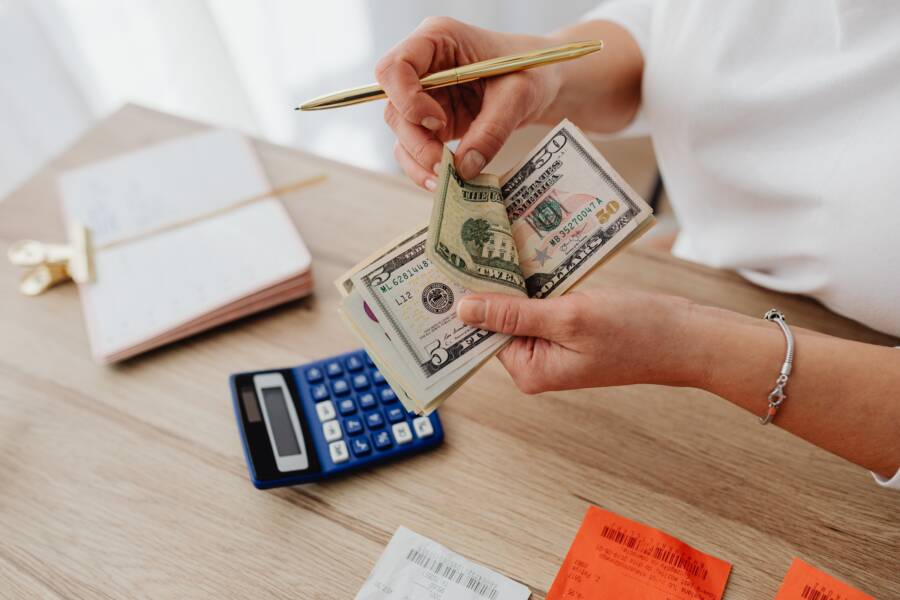
Choosing alignment over random spending means directing your money toward purchases that reflect your genuine priorities instead of buying things on impulse or out of habit. Random spending drains your bank account and your personal energy because it leaves you with clutter and financial stress rather than long-term satisfaction.
When you spend without intention, your money slips away on minor conveniences and immediate desires. You reach the end of the month wondering where your paycheck went, and you have nothing meaningful to show for it. Alignment fixes this problem by connecting every dollar you spend to your core values and personal goals.
Understanding the Difference Between Alignment and Random Spending
Random spending happens reactively. You scroll through social media, see an ad, and buy an item because it’s on sale or you are bored. You grab takeout because you didn’t plan meals, or you buy expensive coffee out of routine rather than genuine enjoyment.
Alignment works proactively. You decide what matters most to you before you spend a single dollar. If saving for a home, traveling, or investing in your health sits at the top of your priority list, your daily purchases support those goals.
Practical Steps to Shift Toward Alignment
Changing your financial habits requires clear boundaries and consistent tracking. You do not need a restrictive budget that makes you miserable. You simply need to redirect funds from things that do not matter to things that do.
Track your purchases for thirty days to identify patterns of random spending without judging yourself.
Review your fixed and discretionary expenses to see if they match your stated priorities.
Pause for twenty-four hours before buying any nonessential item to stop impulse purchases.
Redirect the money saved from random habits directly into a dedicated savings or investment account.
Frequently Asked Questions
What if my priorities change over time?
Your financial alignment should evolve as your life changes. Review your spending habits every few months to ensure your money still supports your current goals.
Does choosing alignment mean I can never buy fun things?
Alignment includes fun and leisure. The difference is that you plan for those treats intentionally rather than wasting money on things you forget about a week later.
How long does it take to build alignment habits?
Most people notice a shift in their financial stress levels within thirty to sixty days of intentional tracking and purposeful spending.
Summary
Random spending leaves you exhausted and financially stagnant because your money escapes in a thousand small, unmonitored directions. Choosing alignment gives you control over your financial life by ensuring your purchases reflect your actual values. Start by evaluating your recent receipts, identify where your money leaks away, and redirect those funds toward the goals that truly matter to you.
Why Random Spending Leaves You Feeling Empty
Random spending drains your bank account and your mental energy at the same time. You work hard for your money, yet small daily purchases slip through your fingers without leaving a trace of lasting satisfaction. This quiet leak of cash creates a persistent low-level stress because your resources vanish into minor conveniences rather than meaningful achievements. When you buy things on a whim, you trade hours of your labor for temporary items that quickly turn into clutter.
The Hidden Cost of Impulse Buys
Small daily purchases add up over time and steal away resources that could go toward truly meaningful goals. Grabbing a five-dollar coffee every morning costs about one hundred fifty dollars a month. Buying lunch at work instead of packing a meal drains another two hundred dollars each month. These small expenses seem harmless in the moment, but they consume thousands of dollars every year. That money could fund a down payment for a home, build an emergency fund, or pay off high-interest debt. Every minor impulse buy steals capital from your long-term security and personal freedom.
How Dopamine Traps Keep Us Buying More
Retail therapy offers a temporary rush of buying something new, but that feeling fades so quickly, leaving people wanting another fix. Advertisers design shopping experiences to trigger dopamine releases in your brain, creating a short-lived cycle of excitement. Once you complete the purchase, the novelty wears off within days or even hours. You are left with the exact same emotional state you had before buying the item, plus a lighter wallet. This creates a loop where you chase the next quick purchase to recreate that initial surge of pleasure. Breaking this cycle requires recognizing that physical items cannot solve emotional boredom or stress.
What It Means to Choose Alignment Over Random Spending
Alignment means directing your cash flow toward things that match your actual priorities instead of reacting to external pressure. When your budget mirrors your values, financial friction drops because you stop buying items that bring no lasting satisfaction. You take control of your resources by making deliberate choices for every dollar you earn.
Defining Your Personal Core Values
You must first identify what matters most to you before you can build a supportive budget. Most people skip this step and copy standard financial advice that fails to fit their unique lives. Think about what brings you genuine fulfillment, such as extended time freedom, memorable family experiences, or independent creative projects. Write down your top three personal priorities on a piece of paper. Look at your bank statements from the last three months to see if your actual spending matches those written priorities. If your money flows toward random conveniences while your real goals sit unfunded, your habits need a reset.
Connecting Every Purchase to Your True Goals
Intentional spending requires you to pause before handing over money to verify that the purchase supports a larger plan. Ask yourself a simple filter question before buying anything nonessential. Will this item move you closer to your goals, or will it create clutter and regret? Connect current daily habits to future dreams by visualizing the long-term impact of your choices. For example, skipping a daily restaurant lunch might feel annoying today, but that money funds a future family vacation next year. Treat every purchase as a trade of your limited life energy so you spend only on what truly moves you forward.
Simple Steps to Shift from Random Habits to Intentional Choices
Transitioning away from reactive spending requires concrete operational habits that interrupt automatic urges. You break the cycle of random purchases by putting physical and temporal friction between the impulse and the transaction. Two specific mechanisms help you build this intentional structure.
Using the Twenty Four Hour Rule
Waiting a full day before buying nonessential items helps cool down emotional urges and cuts down on regret. When you see something you want to buy online or in a store, you add it to a cart or write it down, then walk away for twenty-four hours. This mandatory pause allows the initial dopamine spike to fade so your rational mind can evaluate the purchase. Most impulse urges disappear entirely within a day because the emotional trigger loses its power. If you still want the item tomorrow and it fits your financial plan, you can buy it with confidence.
Creating a Value Based Budgeting System
Organizing money categories around what brings genuine joy rather than restricting spending out of guilt changes your entire financial outlook. Traditional budgets fail because they treat every nonessential purchase as a bad habit that you need to eliminate. A value-based system asks you to identify your top three personal priorities, such as hobbies, travel, or education, and fund those areas generously while cutting spending everywhere else. You allocate dollars toward the experiences and items that actually improve your daily life. Because your money supports your real interests, you don’t feel deprived or restricted. Your budget becomes a tool that reflects what matters most to you instead of a punishing list of rules.
Real World Examples of Random Spending Versus Aligned Spending
Theory matters, but concrete examples reveal how daily financial choices shape your actual life. Small, mindless habits drain resources quietly, while intentional spending builds long-term security and personal fulfillment.
A Tale of Two Coffee Shoppers
Two office workers earn identical salaries of sixty thousand dollars a year, yet their financial realities look completely different after five years. The first worker stops at a local cafe every morning for a specialty latte and a pastry, spending ten dollars each workday. That routine costs fifty dollars a week, two hundred dollars a month, and roughly twenty-four hundred dollars every year. Over five years, that single habit totals twelve thousand dollars, leaving behind only empty paper cups and a mild caffeine dependency.
The second worker makes coffee at home and redirects that same ten dollars each day into a dedicated brokerage account. After five years, that consistent daily transfer compounds into over thirteen thousand dollars, which serves as a down payment for a reliable used car or funds an intensive professional certification program. Both workers spent the exact same amount of money on their morning routine, but the second worker chose an aligned path that produced tangible life progress.
Investing in Experiences Versus Accumulating Clutter
Physical possessions often provide a brief dopamine hit before they end up sitting quietly in a closet or going straight to a donation center. Buying cheap gadgets, fast fashion, or trendy home decor pieces drains hundreds of dollars every month without improving your daily well-being. A room full of unneeded items creates visual noise and mental fatigue, requiring your time and energy to clean and organize things you barely use.
Shifting those same funds toward memorable experiences changes your overall life satisfaction. Spending one thousand dollars on a weekend camping trip with close friends or investing in a multi-week pottery workshop builds skills, memories, and personal connections that last for decades. Material items depreciate rapidly and lose their emotional value almost immediately. Experiences appreciate in your memory and become part of your personal identity over time, delivering a much higher return on your hard-earned money.
Common Questions About Changing How You Spend Money
Shifting from random purchases to intentional choices raises practical questions about real-world scenarios. People often wonder how to maintain strict alignment when emergencies strike or whether enjoying small treats still fits into a thoughtful financial plan. Addressing these common concerns helps build a resilient money habit that lasts.
How Do I Handle Unexpected Expenses Without Losing My Alignment
Building a buffer fund protects intentional spending plans when life throws curveballs. Car repairs, medical bills, and home maintenance happen to everyone. Without cash reserves, these surprises force you to abandon your budget and rely on high-interest credit cards. A dedicated emergency fund absorbs financial shocks so your core values remain intact.
You can set up this protective buffer by taking specific operational steps.
Calculate your essential monthly living expenses, including rent, utilities, and groceries.
Save three to six months of those baseline expenses in a separate, high-yield savings account.
Stop contributing to nonessential goals temporarily if an emergency drains your buffer.
Replenish the fund immediately once the crisis passes before resuming discretionary purchases.
Is It Okay to Spend Money on Guilty Pleasures
Conscious indulgence fits into an aligned financial life when it is planned and genuinely enjoyed. Traditional budgets often fail because they treat fun as a moral failure instead of a normal human need. You don’t need to live like a monk to manage money well. You just need to separate mindless consumption from deliberate leisure.
Planning for treats eliminates the guilt that usually accompanies spending money on nonessential items. If you love dining out at fine restaurants or buying specialty hobby gear, you can allocate a specific monthly allowance for those exact items. Because you budgeted for that purchase ahead of time, you enjoy the experience fully without stressing over your bank balance. Alignment means funding what matters most to you, and sometimes that includes a weekend getaway or a round of drinks with friends.
Conclusion
Choosing alignment over random spending changes your financial life by replacing impulse habits with deliberate choices. When every dollar supports your real priorities, money stops leaking away on minor conveniences.
Start today by reviewing your bank statements from the last thirty days. Identify one recurring purchase that adds zero value to your life, and redirect that money toward a goal that actually matters to you.