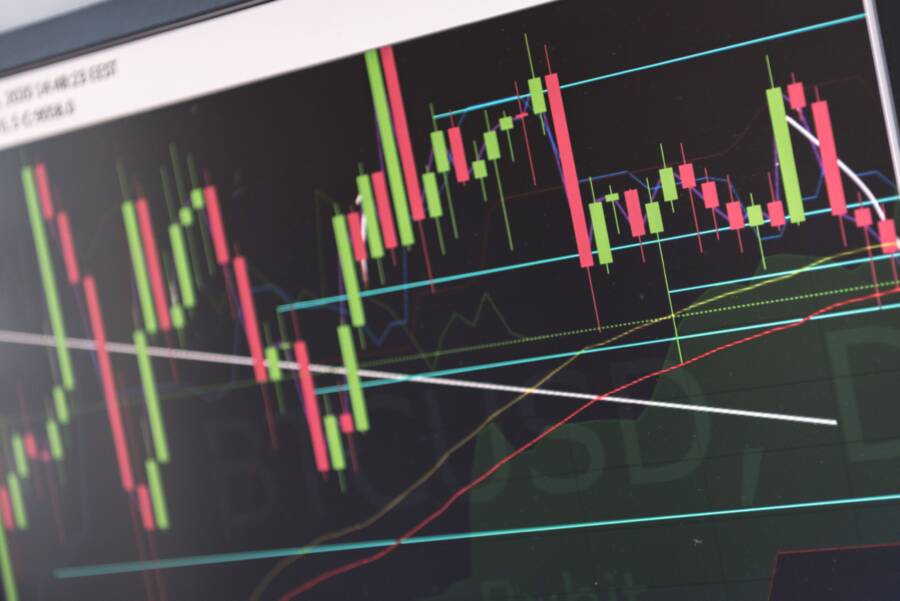
Better financial timing is the habit of balancing patience with calculated action. Many people mistakenly believe they must wait for a perfect market window to invest or grow their wealth, but that moment never arrives.
Instead, you should build systems that allow you to act whenever opportunities arise. You stop chasing luck and start relying on a structured approach to your capital.
The following sections explain how to create these frameworks so you remain ready to move regardless of market fluctuations.
Why You Should Stop Searching for Perfect Financial Timing
Many investors believe they must identify the precise moment to buy or sell assets to build wealth. This search for perfection often leads to inaction. You wait for a market dip that never happens or a breakout that already passed. By trying to outsmart the market, you often end up staying on the sidelines while your capital loses ground. True financial growth comes from consistent systems rather than the ability to predict short-term fluctuations.
The Hidden Costs of Waiting for the Right Time
Waiting for the perfect moment carries a heavy financial price tag. When you park your money in a savings account or hold it in cash while waiting for a better deal, inflation works against you. Money loses purchasing power every single year. If your cash sits idle, its value decreases even while your bank balance stays the same.
Opportunity cost is another significant factor. Every day your money remains uninvested, it misses out on potential compound interest or dividend growth. Even small amounts grow over time when they stay in the market. If you wait months or years for the right timing, you miss the most productive years of your capital.
Stress also plays a major role in wealth erosion. Monitoring market charts and news cycles to find an entry point creates unnecessary pressure. This anxiety often leads to poor decision-making when you finally do act. You might buy into a hyped asset at the top or panic-sell during a minor dip because you feel the pressure to fix your position.
Inflation: Cash loses value over time, so sitting on it guarantees a loss in purchasing power.
Compounding: Early entry captures more growth periods, which creates a larger final balance.
Decision fatigue: Constant observation of market moves leads to exhaustion and rash choices.
How Emotion Influences Your Financial Decisions
Human psychology is the enemy of consistent financial performance. Fear often drives people to sell when asset prices drop, even if the long-term outlook remains strong. Greed pushes investors to buy at the peak because they fear missing out on gains. These two emotions create a cycle of buying high and selling low, which is the exact opposite of a successful strategy.
Automation removes these impulses from your financial life. When you set up a system to invest a fixed amount on a specific schedule, you stop reacting to daily news. You do not need to guess if the market is too high or too low today. You simply follow the plan regardless of current headlines.
This approach creates a buffer against your own instincts. It keeps you invested through both calm and turbulent times, which is necessary for long-term success. By separating your emotions from your portfolio, you remain open to better outcomes. You stop trying to time the market and start focusing on your long-term objectives instead.
Building a System to Catch Better Financial Timing
The key to better timing is creating a structure that functions without constant manual intervention. You gain an advantage when you stop trying to predict market movements and start preparing your capital to act. A system provides the discipline to move forward when others hesitate, ensuring you capture gains while maintaining protection.
Maintaining Liquidity to Seize Unexpected Opportunities
You cannot act on a sudden market correction if every dollar you own is locked in long-term positions. An opportunity fund is a cash reserve dedicated specifically to investments, separate from your standard emergency fund for life expenses. This capital stays liquid, typically in high-yield savings accounts or money market instruments, so you can transfer it to brokerage accounts within a single business day.
This fund functions as your dry powder. When asset prices drop, you avoid the need to liquidate existing holdings at a loss to generate cash. Instead, you deploy your reserves while prices are depressed.
Allocation: Determine a percentage of your total net worth to keep in this fund.
Trigger points: Establish clear rules for when to deploy this cash, such as a 10% decline in a major market index.
Replenishment: Create a schedule to rebuild the fund after you use it for an investment.
Consistency is necessary for this to work. If you treat your opportunity fund as a secondary checking account for vacations or bills, you lose the ability to act when the market turns. Treat this balance as an investment that earns interest while it waits for a specific moment to perform.
Using Dollar Cost Averaging as a Safety Net
Dollar cost averaging removes the stress of trying to pick a perfect entry point. You commit to investing a fixed dollar amount at regular intervals, regardless of whether the market rises or falls. This creates a baseline of financial consistency that protects you from the emotional volatility of price swings.
When prices are high, your fixed dollar amount buys fewer shares. When prices are low, that same amount buys more. Over time, this process lowers your average cost per share compared to guessing the market bottom. You remove the pressure to time the market because your system handles the timing for you.
This pattern highlights how you accumulate more assets when prices are favorable. You build your position through steady contributions rather than risky, infrequent lump-sum buys. This strategy ensures you remain invested throughout market cycles, which prevents you from missing major rallies that often follow periods of decline. By removing the need to choose a specific day to enter, you focus your energy on long-term accumulation and growth.
Practical Ways to Stay Flexible with Your Wealth
Staying flexible with your money means you avoid rigid traps that force bad timing. You need systems that allow you to adjust your course without abandoning your objectives. When you create rules for how you handle your capital, you prevent panic or greed from driving your decisions.
Rebalancing Your Portfolio Without Emotional Bias
Portfolio rebalancing is the process of realigning the weightings of your assets to maintain your risk profile. Over time, some investments grow faster than others, which causes your portfolio to drift away from your target allocation. If you ignore this drift, you inadvertently take on more risk than you intended. Rebalancing forces you to sell assets that performed well and purchase assets that have lagged, which is a disciplined way to follow the principle of buying low and selling high.
You can remove emotion from this task by using one of two common systems:
Calendar-based rebalancing: You review and adjust your portfolio on specific dates, such as every six months or once a year. This removes the need to track market movements daily. You simply make the necessary trades on your chosen date regardless of where prices sit.
Threshold-based rebalancing: You set percentage bands for each asset class, such as plus or minus 5%. If your stocks grow to represent 65% of your portfolio when your target is 60%, you sell the excess and move it back into underperforming assets. This approach triggers trades only when your portfolio drifts significantly, allowing your winners to run longer before you trim them.
These systems work because they function on objective data rather than gut feelings. You do not ask yourself if the market looks expensive or cheap today. Instead, you follow the rules you set when you were calm and rational. By treating rebalancing as a maintenance task like changing the oil in your car, you protect your wealth from the volatility of your own nerves.
Developing a Long Term Financial Roadmap
A long term financial roadmap acts as a compass when market conditions become uncertain. Many investors lose their way because they focus on short-term price charts rather than the destination. When you define your objectives, such as a specific retirement age or a target amount for a down payment, you gain a standard for measuring whether your current actions help or hinder your progress.
Your roadmap accounts for the inevitable ups and downs of any investment cycle. By acknowledging that markets will experience periods of decline, you build a strategy that expects volatility rather than fearing it. This expectation allows you to stay the course when others feel pressured to exit during a downturn. You view market drops as temporary conditions within a multi-year journey rather than reasons to overhaul your entire plan.
Clear roadmaps prioritize consistency over precision. You don’t need perfect timing if your strategy spans decades and relies on steady contributions. Your plan might include specific buckets for different goals, which helps you manage liquidity needs without touching your long-term growth investments. When you know exactly why each dollar is invested, you are less likely to pull funds during a temporary dip.
This document should evolve as your life changes, but its core purpose remains stable. It provides the rationale for every financial move you make, helping you bypass the noise of daily market updates. You stop chasing performance and start building the wealth required to meet your specific life goals.
Common Questions About Financial Timing
Most people ask about timing because they worry about losing money or missing an easy win. You might wonder if you should wait for a crash or if your current strategy leaves too much on the table. While these concerns feel valid, they often shift your focus away from the math of wealth accumulation. The most helpful way to view timing is as a series of automated actions rather than a singular decision.
How do I know if the market is too expensive right now?
Predicting market prices is difficult even for professional analysts. If you wait for a price drop, you might stay on the sidelines for years while assets grow. A better approach is to ignore price levels for your core investments. By contributing a fixed amount regularly, you pay the average price over time. This makes expensive markets less painful and cheap markets more productive. You stop asking if the price is right and start looking at whether your contribution frequency supports your goals.
Should I hold cash to buy a market dip?
Keeping a specific portion of your portfolio in cash allows you to act during sudden market declines. You should define this amount as a set percentage of your total net worth. If you keep too much, inflation erodes your purchasing power. If you keep too little, you cannot take advantage of lower prices when they appear. This reserve fund is not for spending on life needs, so you must separate it from your emergency fund. Having this capital ready removes the need to sell long-term holdings when volatility hits.
Does it matter what day of the month I invest?
The specific day you invest does not change your long-term outcome. Markets move unpredictably throughout the month, and one day rarely creates a significant difference over a ten-year period. You should pick a date that matches your payday to automate the process immediately. This removes the temptation to hold onto the money and spend it elsewhere. Consistency in your schedule matters more than the specific calendar day.
What if I invest right before a large market drop?
Entering the market before a decline feels frustrating, but it is a normal part of long-term investing. You do not lose money unless you sell during that period. If you have a long-term plan, you simply continue your contributions during the downturn. This allows you to buy more shares at lower prices. The market historically recovers over time, rewarding those who stay invested rather than those who exit in fear.
Can I change my timing strategy later?
Your financial system should grow with your needs. You might start with a focus on aggressive accumulation when you are young and transition to a more protective strategy as you approach your goals. You can adjust your contribution amounts or your asset allocation as your life circumstances change. The goal is to maintain a framework that remains consistent even when your specific targets shift. Always base these adjustments on your long-term plan rather than reacting to current market headlines.
Conclusion
Successful financial timing relies on preparation rather than luck. You gain an advantage by building systems that allow you to act whenever market conditions change. By focusing on your personal strategy, you stop chasing trends and instead rely on a structured approach to your capital.
Consistency is your most effective tool. When you automate your contributions and maintain liquidity, you remove the stress that often leads to poor decision-making. You no longer need to predict market movements when your plan already accounts for volatility and growth.
Prioritize your roadmap to ensure every dollar serves a purpose. This discipline keeps you focused on your long-term goals despite external market noise. Your ability to stay the course is what ultimately builds lasting wealth.