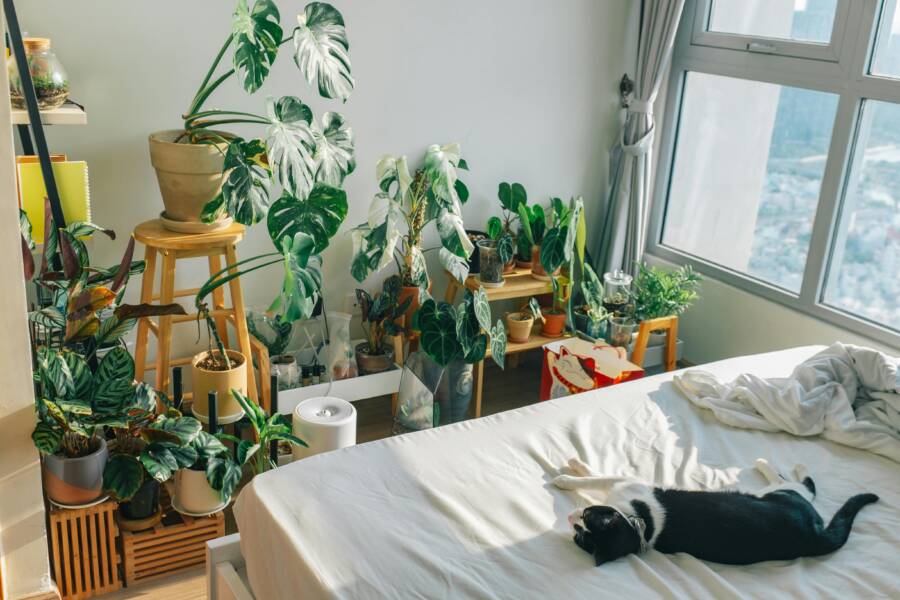
Biophilic Wealth Design is the intentional practice of bringing natural elements into your living space to lower stress, sharpen focus, and support better financial decision-making. Your environment directly shapes your mindset toward money, as a cluttered or stagnant space often leads to impulsive choices and high anxiety.
When you surround yourself with nature, you improve your cognitive function and emotional regulation. This shift creates a calm foundation for managing your household budget, tracking investments, or planning long-term savings goals.
The following sections show you how to apply these principles to your own home office and living areas.
Why Your Environment Influences Your Ability to Build Wealth
Your home functions as the command center for your financial life. Every bill you pay, investment you research, and budget you track happens within the physical boundaries of your living space. When your surroundings contain too much visual noise or artificial stress, your brain struggles to maintain the focus required for complex financial tasks. A calm, nature-integrated space acts as a support system for your bank account.
Reducing Mental Fatigue Through Natural Patterns
Modern homes often suffer from over-stimulation. You likely have a constant flow of artificial light, digital notifications, and cluttered surfaces fighting for your attention. This overload drains your cognitive resources, leaving you with little mental energy to manage difficult topics like retirement planning or debt reduction. Your brain experiences “attention fatigue” when it processes too many man-made shapes and flashing screens.
Biophilic design uses natural patterns, such as fractal geometries found in plants or soft daylight transitions, to restore your attention span. These patterns signal safety to your nervous system, which allows you to exit the high-alert state caused by modern living.
Consider these ways to lower mental clutter:
- Place a potted plant on your desk to provide a soft, non-digital focal point.
- Use natural light to illuminate your workspace instead of harsh overhead bulbs.
- Incorporate wood or stone textures into your office to create a grounding atmosphere.
- Clear your desk of non-essential items to reduce the visual signals competing for your focus.
When your environment stays calm, you remain better equipped to handle financial logistics. You will find it easier to sit down for an hour to analyze your spending habits because your brain is not busy filtering out excessive visual chaos.
The Cost of Stressful Surroundings on Your Wallet
Cluttered and artificial spaces often trigger a scarcity mindset. When your home feels chaotic, your internal state shifts toward survival mode. This makes you prone to impulsive spending as a quick fix to lower immediate tension. Retail therapy acts as a temporary distraction from the stress caused by an overwhelming physical environment. If your home offers no sanctuary, you might seek comfort by buying things you do not need.
Artificial lighting and synthetic materials can also heighten cortisol levels. High cortisol often leads to poor decision-making and reduced impulse control. You might skip your debt repayment plan or ignore a savings goal simply because the stress of your room makes the effort feel too heavy.
The connection between your space and your wallet follows a clear pattern:
- High-stimulus environments increase internal tension and anxiety.
- Increased anxiety lowers your ability to regulate impulses.
- Impulse control drops lead to unnecessary retail purchases or neglected financial records.
- Poor financial outcomes create even more stress, starting the cycle again.
Changing your environment to include organic shapes and natural air quality interrupts this cycle. You gain the mental space to pause before you hit “buy” on an unnecessary item. By investing in a healthier, quieter home, you protect your actual finances from the hidden costs of daily stress.
Practical Steps to Apply Biophilic Wealth Design at Home
Biophilic design centers on your body’s biological need for nature. By altering your home environment, you shift how your brain manages financial stress and long-term planning. You can create a home that supports fiscal health by choosing specific lighting, furniture shapes, and natural elements that promote mental clarity.
Optimizing Your Workspace for Focus and Clarity
Your workspace needs to support deep concentration for tasks such as financial auditing or tax planning. Start with the light in your room. Harsh overhead fluorescents often cause headaches and reduce your ability to track complex numbers. Instead, place your desk near a window to utilize natural daylight. If sunlight is limited, use full-spectrum LED bulbs that mimic the color temperature of the sun during morning hours. This keeps your alertness levels steady throughout your work session.
Next, examine the shapes of your furniture. Sharp, square edges on desks often create a feeling of stiffness or defensive tension. Organic, rounded shapes, such as a curved desk or a rounded ergonomic chair, encourage a softer mental state. This helps you process information without feeling pressured.
Follow these steps to improve your workspace:
- Position your monitor at eye level to avoid neck strain.
- Choose furniture with soft corners to minimize visual aggression.
- Keep your desk surface clear of non-essential documents.
- Add a small natural element, such as a piece of polished wood, to your workspace to ground your focus.
These adjustments reduce the effort required to stay focused. When your desk feels welcoming, you are less likely to avoid necessary financial tasks.
Bringing Nature Inside to Boost Creative Thinking
Financial planning often feels like a chore because it forces you to face limits and responsibilities. Adding plants and natural scents to your room shifts your mood from a reactive state to a proactive planning state. Plants act as natural air filters and mood stabilizers, providing a living reminder of growth and patience. These qualities help when you need to weigh long-term investments against short-term spending.
Natural scents also change your physiological response to money talk. Scents like cedar, pine, or citrus lower your heart rate and improve your ability to think clearly. Use a high-quality essential oil diffuser with these scents when you sit down to review your monthly budget.
Plants also provide a necessary break for your eyes. Every twenty minutes, look away from your screen toward a green plant. This simple action resets your vision and your brain, preventing the mental fatigue that leads to poor money management. By introducing these natural elements, you build a room that supports the calm reflection needed to grow your wealth.
Real World Examples of Mindful Home Spaces
You create a bridge between your environment and your financial success by designating specific zones for money management. These areas serve as anchors for your focus, keeping your attention on long-term goals instead of impulsive habits. By curating a dedicated space, you signal to your brain that it is time for clear, rational thinking rather than reactive stress.
Designing a Budgeting Nook That Inspires Growth
A budgeting nook is a quiet, dedicated space where you handle your financial life with intention. You do not need an entire office to achieve this. A small corner or a specific chair can function as your command center. The key is consistency and environment. When you sit in this specific spot, your brain shifts into a state of focus, much like a Pavlovian response to a workspace.
Select a corner that offers a view of a window or a piece of nature. Natural light helps regulate your mood and prevents the mental drain associated with dim, artificial lighting. Place a small, healthy plant nearby, such as a snake plant or a pothos, to introduce organic textures. These plants improve air quality and provide a visual reset for your eyes when you look away from a spreadsheet or bank statement.
Use a wooden desk or a small table with rounded edges to avoid the visual sharpness of industrial metal or glass furniture. Soft textures, like a wool rug beneath your chair, add physical comfort that keeps you grounded while you review your expenses. Keep your financial tools, such as a notebook, calculator, or tablet, tucked away in a drawer or a woven basket when you are not using them. This prevents visual clutter from causing stress when you walk by the space.
Incorporate these elements to build an effective budgeting nook:
- Dedicated surface: A small, clean desk or table reserved solely for financial tasks.
- Natural illumination: Positioning your seat to face a window for consistent daylight.
- Living accents: A single, low-maintenance plant to provide a soft focal point.
- Organizational containers: Baskets or trays that hide cables and paperwork to reduce visual noise.
This arrangement removes the friction of starting a financial review. You no longer have to clear off a kitchen table or find a pen; your tools are ready in a space that feels calm. By treating your budgeting area as a sanctuary, you replace the anxiety of debt tracking with the sense of progress toward wealth. The physical boundary of this nook helps you contain financial stress, ensuring it does not bleed into your leisure time.
Frequently Asked Questions About Biophilic Living
Most people assume that financial habits change only through willpower or strict budgeting apps. However, your surroundings exert a constant influence on your decision-making. Biophilic living adjusts your environment to reduce stress, which directly affects how you manage money. These changes often look like small, physical adjustments, yet their impact grows significantly over time.
Can Small Changes Really Affect My Financial Habits?
Small environmental shifts act like compound interest for your behavior. When you remove a source of visual stress or improve your lighting, you stop wasting mental energy on low-level anxiety. This freed energy allows you to make better choices about your spending and savings.
The impact follows a simple progression:
- You introduce a natural element or clear your desk.
- Your nervous system registers less tension.
- You experience fewer impulsive urges to spend money on quick fixes.
- You consistently save more time and money.
Think of your environment as a feedback loop. A chaotic room demands constant attention, which exhausts your brain and weakens your resolve. A calm space acts as a default setting for rational behavior. By changing your desk or lighting, you shift your starting point for every financial decision.
This approach works because it targets the underlying trigger for bad habits. If you try to stop spending by sheer force of will, you eventually fail when you feel tired. When you build a supportive environment, you reduce the need for constant self-discipline. The ease of staying on track increases as your space becomes more aligned with your financial goals.
Consistency matters more than the size of the change. Adding one plant or switching to warm light today seems minor. Yet, repeating these habits over weeks and months creates a stable foundation for wealth building. Small actions become permanent patterns that protect your budget from stress-induced errors.
Conclusion
Your home acts as the physical foundation for your financial life. When you design your space to reflect natural patterns, you lower the stress that leads to impulsive spending and poor decision-making. By creating a calm, nature-integrated environment, you gain the mental clarity required to manage your budget, track your investments, and build long-term wealth. Your surroundings are not just background elements; they are an incubator for your financial habits.
A supportive space prevents the exhaustion that triggers bad money choices. When you remove visual noise and add organic textures, you protect your focus. This simple shift allows you to approach your financial tasks with patience and intention. Your living area should work for your goals rather than against them.
Start with one small change today to see the difference. Place a single plant on your desk or move your workspace near a window to catch natural light. These minor adjustments build the steady foundation you need for financial growth. Consistent, small actions transform your home into a tool for your success.